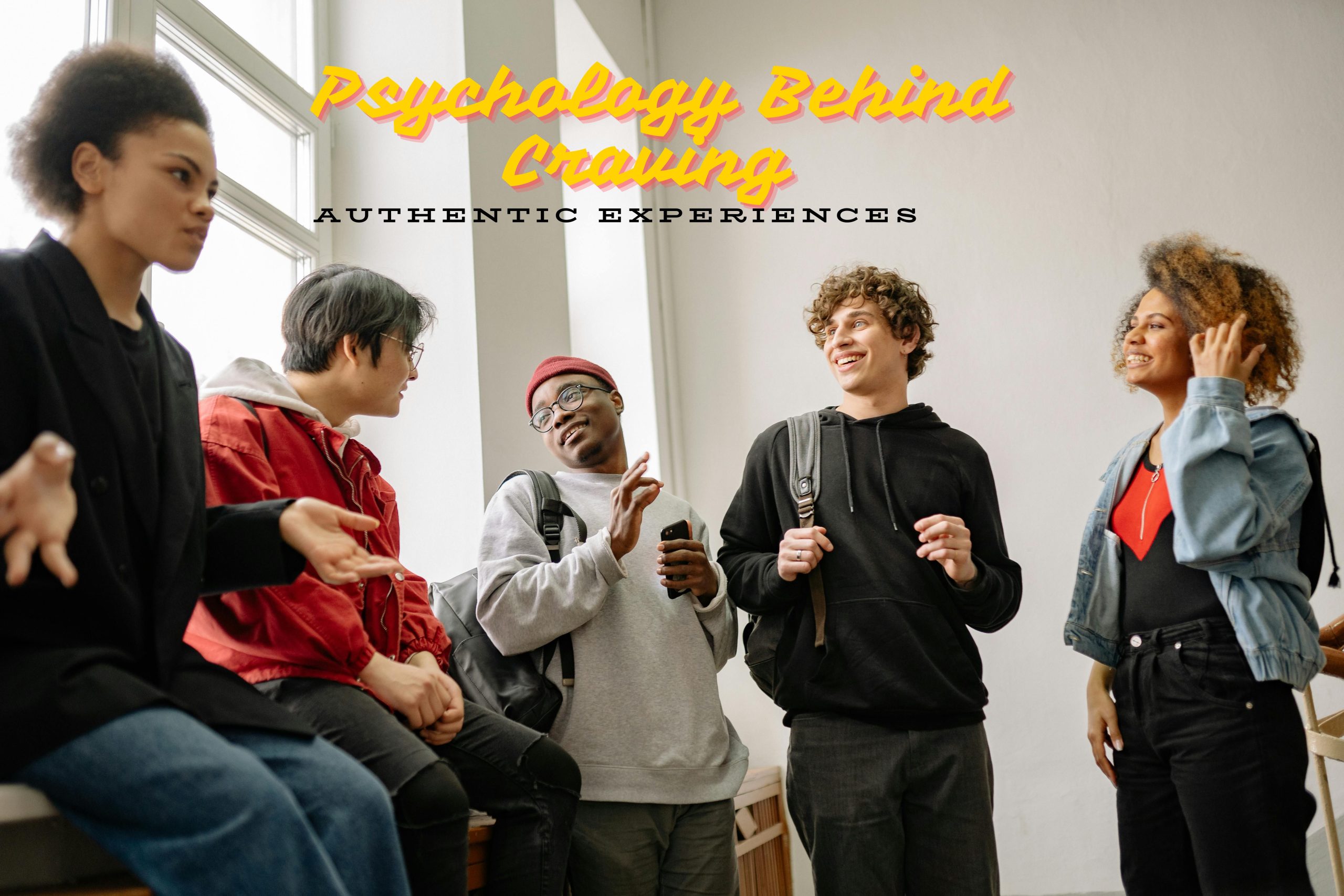
The Psychology Behind Why We Crave Authentic Experiences
In recent years, people have increasingly craved authentic experiences. Many feel disconnected from routines, digital lives, and social expectations. Psychology helps explain this growing desire for authenticity.
Humans seek meaning, belonging, and coherence in their lives. Authentic experiences align actions with inner values. When life feels genuine, emotional well-being improves significantly.
Understanding Authentic Living Meaning
Authentic living meaning refers to living in alignment with personal values. It involves self-awareness, honesty, and consistent behavior. Psychology links authenticity to long-term satisfaction and emotional health.
Research shows authenticity supports stronger relationships and higher self-esteem. People feel less internal conflict when actions match beliefs. This alignment reduces stress and emotional exhaustion.
Why Modern Life Feels Inauthentic
Modern environments often reward performance over sincerity. Social media encourages curated identities and constant comparison. This creates pressure to appear successful rather than feel fulfilled.
Workplace cultures may prioritize productivity over purpose. People suppress true preferences to meet expectations. Over time, this disconnect fuels dissatisfaction and emotional fatigue.
The Brain’s Need for Authenticity
The human brain seeks consistency between thoughts and actions. Cognitive dissonance occurs when behavior conflicts with beliefs. This tension causes discomfort and anxiety.
Authentic experiences reduce cognitive dissonance. When people act genuinely, the brain experiences psychological relief. This explains the calming effect of honest self-expression.
Emotional Rewards of Authentic Experiences
Authentic experiences activate positive emotional responses. They increase feelings of autonomy, competence, and connection. These needs are central to psychological well-being.
Studies link authenticity to increased happiness and resilience. People recover faster from stress when living truthfully. Emotional regulation improves with self-aligned choices.
Social Connection and Authenticity
Humans crave genuine social connections. Authentic interactions build trust and emotional safety. People feel seen and valued when others are sincere.
Performative behavior weakens relational depth. Constant self-monitoring reduces spontaneity. Authentic communication strengthens long-term relationship satisfaction.
Cultural Shifts Toward Authentic Living
Societies increasingly value transparency and individuality. Younger generations question traditional success definitions. This cultural shift reflects psychological needs for meaning.
Brands and institutions now emphasize authenticity. People respond positively to honesty and vulnerability. This trend mirrors deeper human psychological preferences.
Signs You Are Not Living an Authentic Life
Common signs you are not living an authentic life include chronic dissatisfaction. Feeling disconnected from decisions often indicates misalignment. Persistent anxiety may signal suppressed values.
Other signs include people-pleasing and fear of judgment. Avoiding self-expression suggests internal conflict. Emotional numbness often accompanies inauthentic living.
Psychological Costs of Inauthentic Living
Living inauthentically increases stress and emotional strain. Suppressing true identity requires constant mental effort. This leads to burnout and reduced self-esteem.
Long-term inauthenticity may contribute to depression. Lack of personal meaning weakens motivation. Psychological well-being declines without self-alignment.
How to Live an Authentic Life
Learning how to live an authentic life begins with self-awareness. Reflect on values, preferences, and emotional responses. Journaling and mindfulness support this process.
Setting boundaries helps protect authenticity. Saying no aligns actions with values. Consistent small choices reinforce genuine living over time.
The Role of Vulnerability in Authenticity
Authenticity requires vulnerability and courage. Expressing true feelings involves emotional risk. Psychology links vulnerability to deeper connection and resilience.
Avoiding vulnerability maintains emotional distance. Honest expression strengthens trust. These authentic experiences often emerge from openness and acceptance.
Authentic Experiences and Personal Identity
Authentic experiences strengthen personal identity. They help individuals understand who they are. Identity becomes stable when rooted in values rather than approval.
Self-concept clarity improves with authentic choices. People feel more confident and grounded. Identity coherence supports emotional stability.
Technology and the Authenticity Paradox
Technology connects people but can distort authenticity. Online personas often differ from offline selves. This creates identity fragmentation.
However, technology can also support authentic expression. Communities provide acceptance and understanding. Conscious digital use promotes genuine connection.
Why Authentic Experiences Feel So Powerful
Authentic experiences engage emotional and cognitive systems simultaneously. They create memorable, meaningful moments. The brain encodes these experiences more deeply.
Meaningful experiences release dopamine and oxytocin. These chemicals enhance pleasure and bonding. Authenticity intensifies emotional impact.
Encouraging Authentic Living in Daily Life
Small daily choices support authentic living. Align schedules, relationships, and work with values. Consistency matters more than perfection.
Self-compassion supports authenticity. Growth involves mistakes and adjustment. Authentic living is a continuous process, not a fixed state.
Final Thoughts
The psychology behind authentic experiences reflects fundamental human needs. Authentic living meaning centers on alignment, honesty, and self-awareness. These elements support mental health and fulfillment.
Recognizing signs you are not living an authentic life enables change. Learning how to live an authentic life empowers personal growth. Authenticity creates deeper meaning and connection.