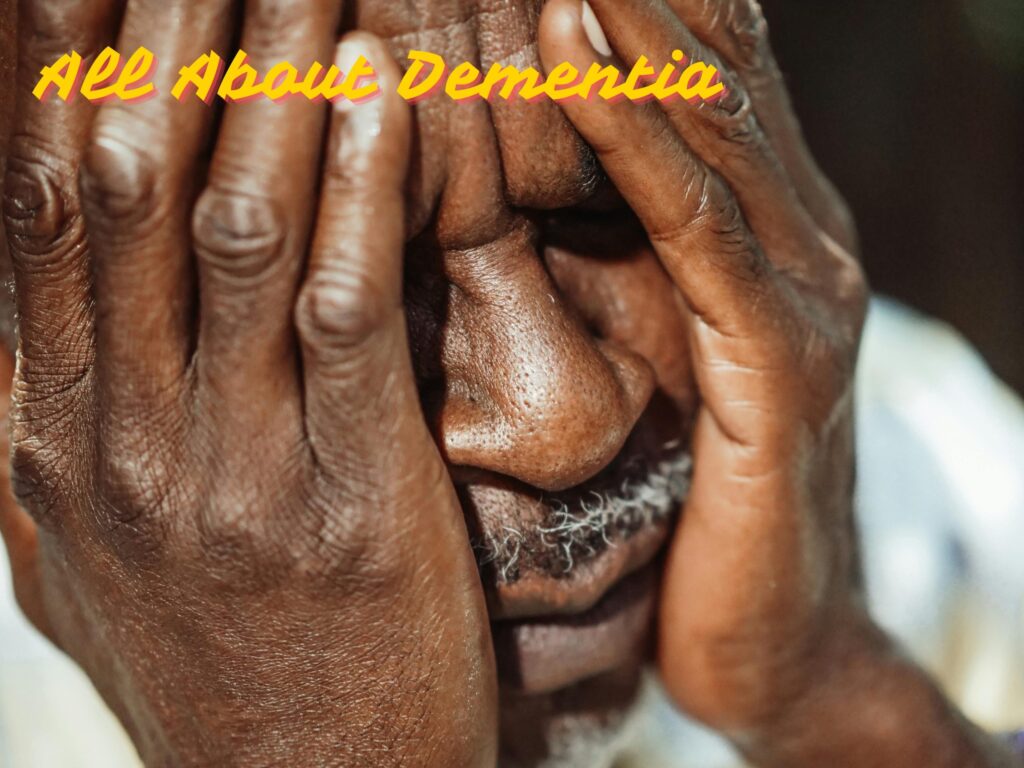
All About Dementia
Dementia is a broad term describing progressive decline in cognitive function. It affects memory, thinking, behavior, and daily functioning. The condition is not a normal part of aging, though risk increases with age.
Millions of people worldwide live with dementia, and numbers continue rising. Early awareness and proper management improve quality of life for patients and caregivers.
What Is Dementia?
Dementia describes a group of symptoms caused by brain disorders. These disorders damage brain cells, interfering with communication between neurons. As damage progresses, cognitive abilities decline and independence becomes limited.
Alzheimer’s disease is the most common cause of dementia. Other causes include vascular dementia, Lewy body dementia, and frontotemporal dementia. Each type affects the brain differently but shares similar cognitive and behavioral symptoms.
Common Symptoms of Dementia
Early symptoms often include forgetfulness and difficulty concentrating. People may struggle with planning, organizing, or finding words. Mood changes, confusion, and personality shifts can also appear gradually.
As dementia progresses, symptoms worsen and interfere with daily activities. Individuals may have trouble recognizing familiar people or places. Behavioral changes such as agitation, anxiety, or withdrawal become more common.
Dementia Stages
Healthcare professionals classify dementia progression into different dementia stages. These stages help guide care planning and treatment decisions. Early-stage dementia involves mild memory loss and subtle cognitive difficulties.
Middle-stage dementia causes noticeable confusion and difficulty with communication. Patients may need help with daily activities and personal care. Late-stage dementia results in severe cognitive decline, limited speech, and complete dependence on caregivers.
Understanding dementia stages allows families to prepare for changing care needs. Early planning improves safety, emotional support, and long-term care decisions.
Causes and Risk Factors
Dementia results from physical changes in the brain. These changes damage neurons and disrupt brain communication. Alzheimer’s disease involves abnormal protein buildup, while vascular dementia relates to reduced blood flow.
Risk factors include age, genetics, and family history. Lifestyle factors such as smoking, poor diet, and inactivity increase risk. Managing blood pressure, diabetes, and heart health may reduce dementia risk.
Head injuries and repeated trauma can also contribute to cognitive decline. Early prevention strategies focus on brain health and overall wellness.
Diagnosis and Dementia Screening Tools
Diagnosing dementia requires comprehensive medical evaluation. Doctors assess medical history, symptoms, and cognitive function. Brain imaging and blood tests help rule out other conditions.
Dementia screening tools help identify cognitive impairment early. Common tools include the Mini-Mental State Examination and Montreal Cognitive Assessment. These tests evaluate memory, attention, language, and problem-solving abilities.
Screening does not confirm dementia alone but signals the need for further evaluation. Early diagnosis allows timely treatment and support planning.
Dementia Medication and Treatment Options
There is no cure for dementia, but treatments help manage symptoms. Dementia medication focuses on slowing cognitive decline and improving function. Cholinesterase inhibitors and memantine are commonly prescribed drugs.
These medications may help memory, thinking, and behavior in some patients. Effectiveness varies based on dementia type and stage. Doctors monitor side effects and adjust treatment plans accordingly.
Non-drug treatments also play an important role. Cognitive therapy, physical activity, and social engagement improve quality of life. Combining medication with supportive therapies produces better outcomes.
Living With Dementia
Living with dementia presents emotional and practical challenges. Patients benefit from structured routines and familiar environments. Clear communication and supportive relationships reduce anxiety and confusion.
Caregivers play a crucial role in daily management. Education helps caregivers understand behavior changes and respond appropriately. Support groups provide emotional relief and shared coping strategies.
Home safety modifications prevent accidents and promote independence. Adaptive tools and memory aids help individuals maintain dignity and function.
Dementia Care and Support Services
Professional care services support individuals as dementia progresses. Options include home care, adult day programs, and residential facilities. Choosing care depends on symptoms, resources, and family preferences.
Early planning helps families manage financial and legal responsibilities. Advance directives and power of attorney ensure patient wishes are respected.
Community resources offer education and respite for caregivers. Accessing support reduces burnout and improves caregiving quality.
Prevention and Brain Health
While not all dementia cases are preventable, healthy habits support brain health. Regular exercise improves blood flow and cognitive resilience. Balanced nutrition, adequate sleep, and mental stimulation are beneficial.
Lifelong learning and social engagement reduce cognitive decline risk. Managing chronic conditions supports overall brain function. Early intervention and healthy choices contribute to long-term cognitive wellness.
When to Seek Medical Help
Early evaluation is important when memory problems interfere with daily life. Sudden confusion or rapid decline requires immediate medical attention. Timely diagnosis provides access to treatment and support. It also helps families plan for future care needs.
Ignoring symptoms delays intervention and increases safety risks. Consult a healthcare provider when cognitive changes become noticeable.
In Conclusion
Dementia is a complex condition affecting cognition, behavior, and independence. Understanding symptoms, dementia stages, and available treatments supports better care decisions. Early diagnosis using dementia screening tools improves outcomes.
Appropriate dementia medication and supportive therapies enhance quality of life. Education empowers patients, families, and caregivers. With awareness and proper care, individuals with dementia can live with dignity and comfort.