









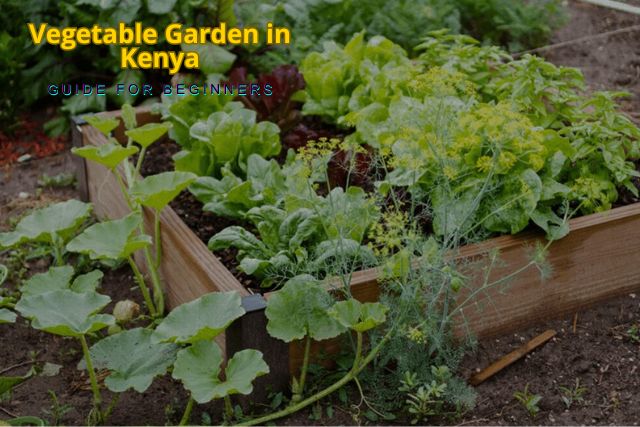
Learn how to start a vegetable garden in Kenya step by step in 2026. Practical beginner tips, layout ideas, soil preparation, and the best vegetables to grow at home.
Starting a vegetable garden in Kenya in 2026 is one of the most practical ways to improve household nutrition, cut food costs, and even create extra income. Whether you want a small vegetable garden at home or a larger plot, Kenya’s varied climate allows year-round production of many crops when planned well. This guide explains how to start a vegetable garden step by step, including soil preparation, layout planning, crop choices, and beginner-friendly techniques suited to Kenyan conditions.
Why Vegetable Gardening Makes Sense in Kenya
Rising food prices and increased awareness of healthy eating have encouraged more families to start a vegetable garden at home. From urban Nairobi balconies to rural backyard plots, vegetables like sukuma wiki, spinach, tomatoes, onions, and capsicum grow successfully in most regions.
Gardening also helps families create fresh meals daily and supports balanced diets, including preparing nutritious meals such as healthy breakfast ideas for kids that use fresh vegetables like spinach, onions, or tomatoes.
How to Start a Vegetable Garden Step-by-Step
1. Choose the Right Location
The first rule of how to start a garden in the ground is sunlight. Most vegetables need:
- 6–8 hours of direct sunlight
- Access to water
- Good drainage
- Protection from strong winds
If space is limited, you can still grow a vegetable garden at home using containers, sacks, raised beds, or vertical gardening methods.
2. Test and Prepare the Soil
Kenyan soils vary widely, from red loam to sandy coastal soils. Good soil preparation determines success when learning how to start a vegetable garden in the ground.
Steps:
- Clear weeds and stones
- Dig soil 20–30 cm deep
- Mix in manure or compost
- Break large soil clumps
Organic manure from cows or chickens works well in most Kenyan regions.
3. Plan Your Vegetable Garden Layout
A good vegetable garden layout helps maximize production and reduces pest spread.
Simple beginner layout tips:
- Plant tall crops (maize, tomatoes) on the north side
- Keep walking paths between rows
- Group vegetables by watering needs
- Leave enough spacing for airflow
Small backyard gardens often use rectangular beds about 1 metre wide for easy management.
Garden Vegetables List for Kenya
If you are new to gardening, start with easy crops from this garden vegetables list:
Leafy vegetables
- Sukuma wiki (kale)
- Spinach
- Managu
- Terere
Fruit vegetables
- Tomatoes
- Capsicum
- Eggplant
- Cucumber
Root vegetables
- Carrots
- Beetroot
- Onions
These vegetables grow well across most Kenyan counties with proper watering.
3 Types of Vegetable Gardening
Understanding the 3 types of vegetable gardening helps beginners choose the right method.
1. In-ground gardening
This is the traditional farming method and best for large spaces. It’s ideal when learning how to start a garden in the ground.
2. Raised-bed gardening
Raised beds improve drainage and soil control. They are perfect for urban homes.
3. Container gardening
This method suits apartments and small compounds. Buckets, grow bags, and recycled containers work well.
Watering and Fertilization Tips
Kenya experiences both dry and rainy seasons, so watering must be consistent.
Best practices:
- Water early morning or evening
- Avoid watering leaves to prevent disease
- Use mulch to retain moisture
- Apply organic fertilizer every 2–3 weeks
Drip irrigation is increasingly popular for home gardeners because it saves water.
Pest Control for Beginner Vegetable Gardens
Common Kenyan garden pests include:
- Aphids
- Cutworms
- Whiteflies
- Caterpillars
Safe control methods:
- Neem spray
- Soap solution
- Hand removal
- Crop rotation
Avoid excessive chemical pesticides for home vegetable production.
Tools You Need to Start
Basic tools for beginners:
- Jembe (hoe)
- Watering can
- Garden fork
- Gloves
- Wheelbarrow (optional)
These simple tools are enough to begin your first vegetable grow a garden project successfully.
Learning Resources for Beginners
Many new farmers look for a Vegetable gardening for beginners PDF to guide their first planting season. Agricultural extension offices in Kenya, NGOs, and county agriculture departments often provide free downloadable manuals covering:
- Soil testing
- Crop calendars
- Pest control
- Organic farming
Using a trusted vegetable gardening for beginners PDF alongside practical experience can shorten your learning curve.
Fun Note: Gardening Inspiration in Gaming
Interestingly, gardening themes have even appeared in popular games like Roblox, where players explore farming simulations including “vegetable grow a garden roblox” experiences. While digital farming is entertaining, real gardening brings real food and savings.
Seasonal Planting Advice for Kenya 2026
For best results:
March–May rains
Plant:
- Maize
- Beans
- Sukuma wiki
- Tomatoes
October–December rains
Plant:
- Spinach
- Carrots
- Onions
- Cabbage
Dry-season gardening works well with irrigation.
Common Beginner Mistakes to Avoid
Many first-time gardeners fail because they:
- Plant too many crops at once
- Ignore spacing rules
- Overwater seedlings
- Use poor-quality seeds
- Skip soil preparation
Starting small improves success and confidence.
Vegetable Gardening Benefits for Families
A well-maintained vegetable garden at home offers:
- Daily access to fresh food
- Lower grocery bills
- Safer pesticide-controlled produce
- Physical exercise
- Extra income from surplus harvest
Many Kenyan households now treat home gardening as both a health strategy and a financial safety net.
Recap Steps to Start a Vegetable Garden in Kenya
- Choose a sunny location with good drainage
- Prepare soil deeply and mix with manure
- Design a simple vegetable garden layout
- Select easy crops from a reliable garden vegetables list
- Decide between in-ground, raised bed, or container gardening
- Water consistently and mulch soil
- Use organic pest control methods
- Start small and expand gradually
- Follow seasonal planting calendars
- Maintain the garden weekly for best yields
Starting a vegetable garden in Kenya in 2026 does not require expensive equipment or large land. With proper planning, soil preparation, and the right crop selection, even beginners can grow fresh vegetables successfully. A small, consistent effort today can quickly turn into a productive home food system that supports your family’s health and budget for years to come.