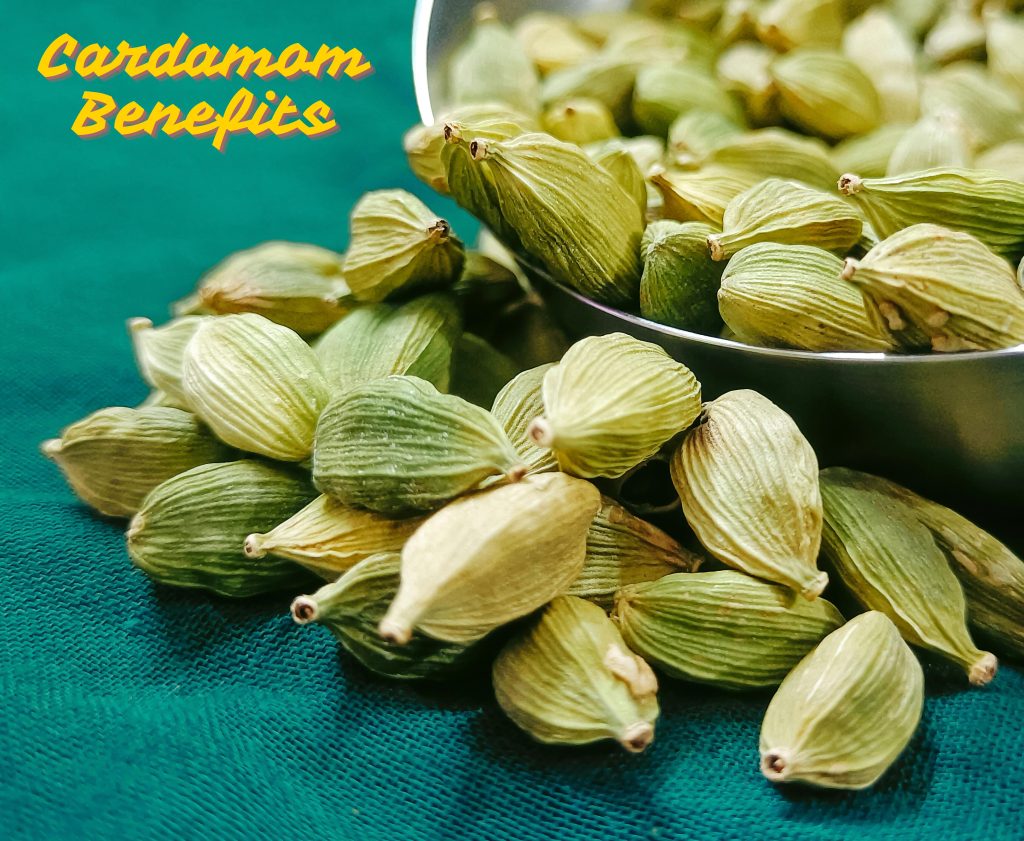
Cardamom Benefits
Cardamom is one of the most treasured spices in the world, valued for its rich aroma, warm flavor, and long history of culinary and medicinal use. Often referred to as the “queen of spices,” cardamom has been used for centuries in traditional cooking systems and natural remedies. Today, it remains a staple in many global cuisines and continues to attract attention for its potential health benefits.
Derived from the seeds of plants in the ginger family, cardamom is commonly used whole, crushed, or ground into cardamom powder. Its distinctive taste enhances both sweet and savory dishes, while its bioactive compounds contribute to its growing reputation as a functional spice with wellness-supporting properties.
What Is Cardamom?
Cardamom is a spice obtained from the seed pods of plants belonging to the Elettaria and Amomum genera. These plants are native to South Asia but are now cultivated in several tropical regions. The spice is known for its intense fragrance, slightly sweet taste, and hints of citrus and spice.
There are two primary types of cardamom used worldwide. Green cardamom is the most common and is prized for its delicate, aromatic flavor. Black cardamom, on the other hand, has a stronger, smoky taste and is typically used in savory dishes. Both varieties can be used whole or ground into cardamom powder, depending on the recipe.
Cardamom Powder and Its Culinary Applications
Cardamom powder is made by grinding dried cardamom pods or seeds into a fine spice. It is widely used for its convenience and ability to blend evenly into food. In baking, cardamom powder adds depth to cakes, biscuits, and bread, while in savory cooking it enhances curries, stews, and rice dishes.
In beverages, cardamom powder is commonly added to tea and coffee to improve flavor and aroma. Many cultures use it as a digestive spice, often consumed after meals or mixed into warm drinks. Its versatility makes cardamom powder a valuable ingredient in both traditional and modern kitchens.
Nutritional Profile of Cardamom
Cardamom contains a variety of nutrients and bioactive compounds that contribute to its health-supporting properties. It provides small amounts of essential minerals such as potassium, magnesium, calcium, and iron. These minerals play a role in muscle function, bone health, and overall metabolic balance.
In addition to minerals, cardamom is rich in antioxidants and essential oils. These compounds help protect the body from oxidative stress caused by free radicals. The antioxidant content of cardamom is a key factor behind many of the widely discussed cardamom benefits.
Cardamom Benefits for Digestive Health
One of the most well-known cardamom benefits is its positive effect on digestion. Cardamom has traditionally been used to relieve bloating, gas, and indigestion. The natural oils in the spice stimulate the production of digestive enzymes, helping the body break down food more efficiently.
Cardamom is also known to help soothe stomach discomfort and improve appetite. In traditional medicine systems, it has been used to ease nausea and promote smoother digestion, making it a common ingredient in herbal digestive remedies.
Cardamom Benefits for Heart Health
Cardamom may also support cardiovascular health. Research suggests that the antioxidants present in cardamom help reduce oxidative stress, which is a contributing factor to heart disease. The spice may also help support healthy blood pressure levels due to its diuretic properties.
Potassium, a mineral found in cardamom, plays a role in regulating blood pressure by balancing sodium levels in the body. Including cardamom powder in a balanced diet may contribute to overall heart health when combined with healthy lifestyle choices.
Anti-Inflammatory and Antioxidant Properties
Another important aspect of cardamom benefits is its anti-inflammatory potential. Chronic inflammation is linked to many health conditions, and the compounds found in cardamom may help reduce inflammatory responses in the body.
The antioxidants in cardamom also help protect cells from damage caused by free radicals. This protective effect supports overall health and may contribute to healthy aging. These properties have made cardamom a popular ingredient in wellness-focused diets.
Oral and Respiratory Health Benefits
Cardamom has long been used to support oral health. Chewing cardamom seeds is a traditional practice believed to help freshen breath and reduce harmful bacteria in the mouth. Its antimicrobial properties may contribute to improved oral hygiene.
In addition, cardamom has been used to support respiratory health. The spice is believed to help open airways and promote easier breathing. This makes it a common ingredient in traditional remedies for coughs, colds, and congestion.
How to Use Cardamom in Daily Life
Cardamom can be easily incorporated into daily meals and beverages. Using cardamom powder in cooking is one of the simplest ways to enjoy its flavor and potential health benefits. It pairs well with both sweet and savory ingredients and can be added to smoothies, oatmeal, soups, and sauces.
For maximum freshness and flavor, whole cardamom pods can be lightly crushed and ground as needed. Proper storage in an airtight container away from heat and moisture helps preserve the spice’s aroma and potency.
Safety and Consumption Tips
Cardamom is generally safe for most people when consumed in moderate amounts as part of a balanced diet. Excessive intake may cause mild digestive discomfort in some individuals. As with any spice, moderation is key to enjoying its benefits without adverse effects.
People with underlying health conditions or those taking medication should consult a healthcare professional before using cardamom in medicinal amounts.
In Conclusion
Cardamom is more than just a flavorful spice. Whether used whole or as cardamom powder, it offers a combination of rich aroma, culinary versatility, and impressive health-supporting properties. From aiding digestion to providing antioxidant protection, the wide range of cardamom benefits explains why this spice has remained valuable for generations.
Incorporating cardamom into everyday cooking is a simple way to enhance both flavor and wellness, making it a timeless addition to a healthy lifestyle.