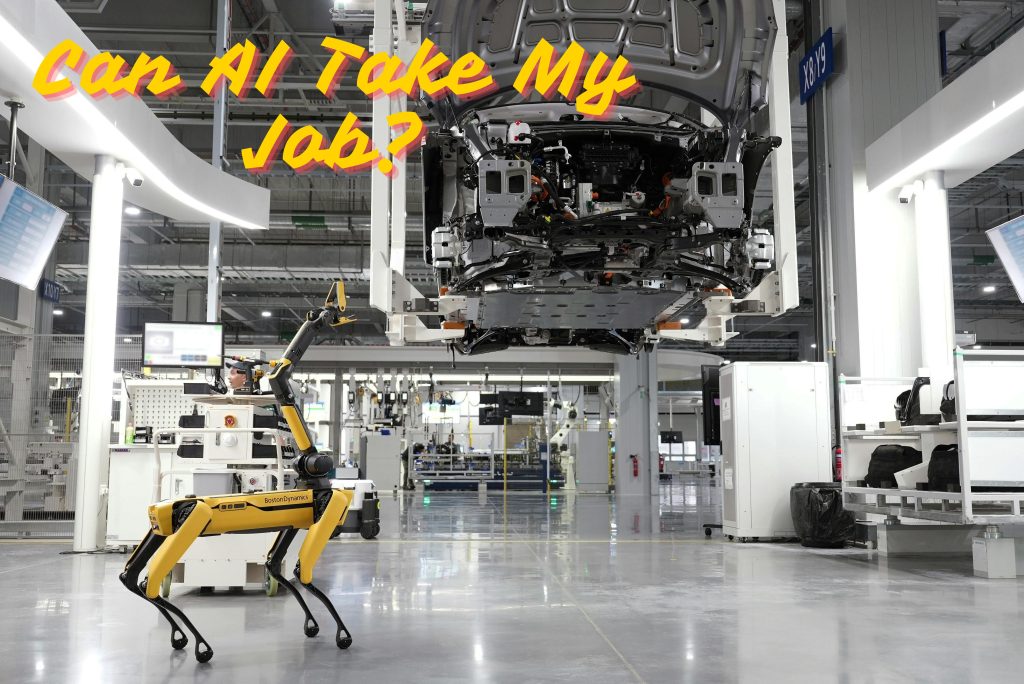
Can AI Take My Job?
Artificial intelligence continues reshaping workplaces across the world at unprecedented speed. From automation tools to advanced language models, AI now performs tasks once reserved for skilled professionals. This rapid growth has sparked fear, curiosity, and intense debate about job security. Many workers wonder whether their roles will still exist in the coming years.
Despite the headlines, AI does not replace all human work equally. Some tasks are easily automated, while others remain deeply human. Understanding AI’s real capabilities helps reduce fear and misinformation. Knowing what AI can and cannot replace allows workers to adapt strategically.
What AI Is Designed to Do Well
AI excels at processing large volumes of structured data quickly. Tasks involving pattern recognition, classification, and repetition are ideal for automation. Examples include data entry, image tagging, and transaction processing. Speed and consistency are AI’s strongest advantages.
Machine learning models also perform well in prediction-based roles. These include demand forecasting, fraud detection, and recommendation systems. AI improves efficiency by reducing human error. However, these systems rely heavily on existing data and predefined rules.
Jobs Most Vulnerable to AI Automation
Roles involving repetitive tasks face the highest automation risk. Clerical work, basic customer support, and routine accounting are common examples. These jobs follow predictable workflows that machines can easily learn. Cost reduction motivates companies to automate these roles.
Manufacturing and logistics roles are also heavily affected. Robotics and AI-powered systems now handle sorting, packaging, and inventory tracking. While humans still supervise operations, fewer workers are required. Automation continues expanding in these sectors.
Why AI Struggles With Human Judgment
AI lacks true understanding, despite appearing intelligent. It processes data but does not possess consciousness or intuition. Contextual judgment remains a human strength. Complex decisions often require ethical reasoning and emotional awareness.
Situations involving ambiguity challenge AI systems. Unexpected scenarios outside training data cause errors. Humans adapt quickly to new information and changing environments. This flexibility is difficult for machines to replicate.
Jobs That Rely on Emotional Intelligence
Roles requiring empathy remain difficult to automate. Therapists, counselors, and social workers rely on emotional connection. Human presence provides trust, comfort, and understanding. AI cannot genuinely replicate emotional depth.
Leadership roles also depend heavily on emotional intelligence. Managing people requires motivation, conflict resolution, and inspiration. These skills involve nuanced human interaction. AI may assist leaders, but it cannot replace them.
Creativity Remains a Human Advantage
AI can generate content, but creativity involves more than output. True creativity includes originality, intent, and cultural understanding. Writers, artists, and designers bring lived experience into their work. That depth remains uniquely human.
Creative professions also require interpretation and emotional resonance. Audiences connect with stories reflecting real human struggles. AI lacks personal experience and emotional memory. It can assist creativity but not fully replace it.
Complex Problem Solving Favors Humans
Human problem-solving involves reasoning beyond data patterns. Complex challenges often lack clear solutions. Professionals in law, medicine, and strategy rely on critical thinking. AI provides support but not final judgment.
Medical diagnosis highlights this limitation. AI assists with pattern recognition in imaging and records. However, doctors interpret symptoms holistically. Human oversight ensures safety and ethical responsibility.
AI as a Tool, Not a Replacement
In many roles, AI enhances productivity rather than replacing workers. Professionals using AI tools work faster and more efficiently. Examples include marketing analysis, research assistance, and content optimization. AI becomes a powerful assistant.
This collaboration model creates new job opportunities. Roles now require managing, training, and interpreting AI outputs. Human oversight ensures accuracy and accountability. The future of work favors hybrid skill sets.
Skills That Will Stay in Demand
Adaptability remains one of the most valuable human skills. Workers who learn continuously remain competitive. Critical thinking, communication, and creativity resist automation. These skills complement AI rather than compete with it.
Digital literacy is also increasingly important. Understanding how AI works improves job security. Workers who leverage technology strategically gain advantages. Learning to collaborate with AI ensures long-term relevance.
How Workers Can Prepare for the AI Future
Reskilling is essential in an AI-driven economy. Learning new tools increases employability. Online courses and certifications offer accessible options. Continuous education reduces displacement risk.
Building human-centered skills is equally important. Emotional intelligence, leadership, and creativity remain valuable. Networking and adaptability strengthen career resilience. Preparation reduces fear and increases opportunity.
In Conclusion
AI is transforming work, but it cannot replace everything humans do. Tasks based on repetition and data processing face automation. Roles involving judgment, empathy, and creativity remain human-driven. Understanding this distinction empowers workers.
The future belongs to those who adapt strategically. Embracing AI as a tool creates opportunities. Human skills remain essential and irreplaceable. With preparation, workers can thrive alongside artificial intelligence.