KRA Body-Worn Cameras
KRA Rollouts Body Cameras, as the New Technology of Transforming Customs Enforcement in Kenya 2026
The rollout of KRA body cameras marks a significant step in modernizing customs enforcement and improving transparency within Kenya’s tax administration. The Kenya Revenue Authority (KRA) has introduced Body-Worn Cameras (BWCs) for customs officers across key border points to combat illicit trade, strengthen evidence collection, and enhance accountability during operations.
The move reflects a growing global trend where enforcement agencies use digital technology to document official interactions and support investigations. By deploying hundreds of body cameras to customs officers, KRA aims to secure the country’s borders while facilitating legitimate trade in an increasingly interconnected world.

Why KRA Introduced Body Cameras
Illicit trade has long been a challenge for Kenya, especially at busy entry points such as airports, seaports, and land borders. Smuggling networks often exploit gaps in surveillance and documentation, making it difficult for authorities to prosecute offenders.
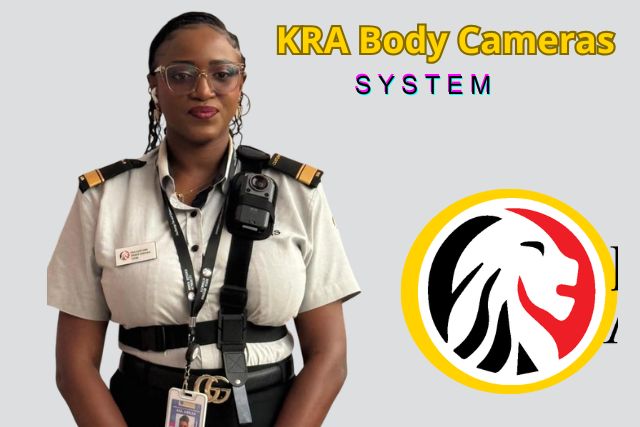
To address this challenge, the Kenya Revenue Authority has deployed 350 body-worn cameras for customs agents stationed across various border facilities. These cameras record interactions between officers and the public, providing real-time video and audio evidence during enforcement activities.
According to Humphrey Wattanga, the initiative is designed to protect Kenya’s borders while improving transparency in customs operations.
He explained that the deployment demonstrates Kenya’s commitment to safeguarding trade routes while embracing modern technology to improve government accountability.
The project also positions Kenya as one of the first countries in the region to implement body-worn cameras on such a large scale within a tax administration system.
Where KRA Body Cameras Are Being Used
The new KRA body cameras are already operational in several high-risk customs environments. Officers are required to wear them while performing specific duties that involve interaction with travelers, traders, and cargo handlers.
Customs officers must wear the cameras during passenger clearance procedures at international airports, including Jomo Kenyatta International Airport, one of the busiest travel hubs in East Africa.
The devices are also used during inspections at seaports and inland container depots where imported goods are verified. These facilities often handle large volumes of cargo, making them potential entry points for illegal products.
Another key location for the cameras is One Stop Border Posts, where customs authorities from neighboring countries collaborate to streamline trade and border clearance processes.
Beyond these areas, the cameras are used during border patrols, surveillance operations, and inspections of vessels, vehicles, and aircraft. Officers conducting searches or enforcement activities must ensure that the cameras capture the operation from start to finish.
This approach ensures that customs operations are documented accurately, reducing disputes and improving operational transparency.
Strengthening Evidence Collection and Investigations

One of the most important roles of the KRA body cameras is supporting investigations and prosecutions related to smuggling and illicit trade.
According to Lilian Nyawanda, customs officers have increasingly encountered organized smuggling networks and sometimes face hostile situations during enforcement operations.
In the past, many cases were difficult to conclude because investigators lacked photographic or video evidence showing what actually happened during inspections or arrests.
Body-worn cameras help close this gap by recording interactions in real time. The footage can be used as credible evidence in court proceedings or internal investigations.
This technology helps prevent false accusations against officers while also discouraging misconduct from both officials and members of the public.
Technology Behind the Body-Worn Cameras
The new KRA body cameras are equipped with several advanced features designed to support enforcement operations.
One of the key capabilities is real-time recording, which captures both video and audio during customs inspections and interactions with travelers or traders. This ensures that enforcement activities are documented exactly as they occur.
The cameras also feature real-time GPS positioning, allowing supervisors to track the location of officers during field operations. This improves coordination during large enforcement missions or multi-agency operations.
Another important feature is live streaming, which enables command centers to monitor ongoing activities remotely. Supervisors can observe operations in real time and provide guidance when necessary.
Together, these features improve operational oversight and help ensure officers follow proper procedures during inspections and investigations.
Data Storage and Monitoring Systems
To manage the large volume of video footage produced by body cameras, KRA has built a comprehensive digital infrastructure.
The authority has established four data storage servers to store the recorded footage securely. The system also includes integrated docking stations where officers upload footage after completing their shifts.
These docking stations connect to a Central Command Centre, where supervisors can review recordings and monitor ongoing activities. The centralized system ensures that all recorded footage is stored safely and can be retrieved when needed.
This structured approach helps maintain proper oversight of customs operations while ensuring that evidence remains secure for investigative and legal purposes.

Improving Professionalism and Public Trust
Beyond security and enforcement benefits, the introduction of KRA body cameras is expected to improve professionalism within customs services.
When interactions between officers and the public are recorded, both parties are more likely to follow proper procedures and behave respectfully. This reduces misunderstandings and promotes fair treatment during inspections.
The system also helps reduce corruption risks by ensuring that interactions are documented. Any allegations of misconduct can be verified through recorded footage.
For businesses and travelers, this transparency builds greater confidence in customs processes and encourages compliance with trade regulations.
A New Standard for Customs Innovation
The deployment of KRA body cameras represents a major step toward modernizing border management in Kenya. By combining digital surveillance technology with improved data management systems, the Kenya Revenue Authority is strengthening its ability to fight illicit trade while promoting legitimate commerce.
As global trade continues to expand, customs authorities must adapt to increasingly complex enforcement challenges. Technologies such as body-worn cameras provide a practical solution by improving accountability, protecting officers, and generating reliable evidence.
Through this initiative, the Kenya Revenue Authority is setting a new benchmark for transparency and innovation in customs enforcement across the region.