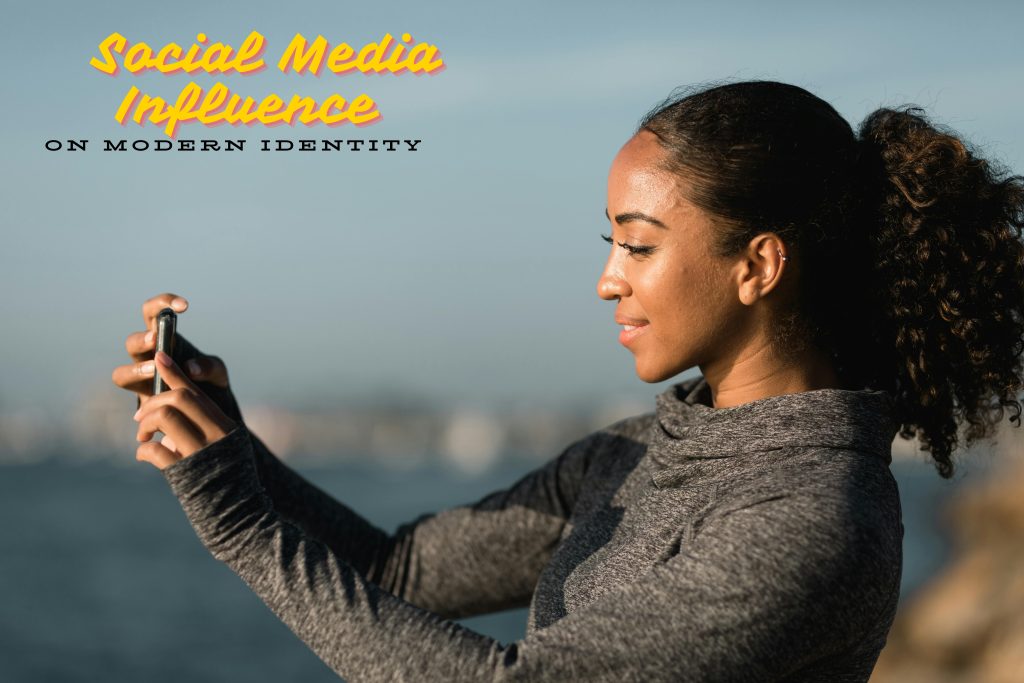
Social Media Influence on Modern Identity
Social media has become deeply embedded in everyday life across the world. Platforms influence how people communicate, express themselves, and view others. Identity formation now happens publicly, digitally, and continuously.
Modern identity is no longer shaped only by family, culture, or education. Online interactions now play a significant role in self-perception. Likes, comments, and shares subtly influence confidence, values, and behavior.
The Digital Self and Online Presentation
Social media encourages users to curate a digital version of themselves. People choose photos, captions, and content that reflect how they want to be perceived. This creates a selective representation of reality.
Over time, the digital self can influence the offline self. Users may adapt behavior to match online expectations. This feedback loop strengthens the connection between identity and online presence.
Validation, Likes, and Self-Worth
Social platforms are built around feedback systems like likes and comments. These features trigger psychological reward responses in the brain. Validation becomes measurable and immediate.
Frequent comparison can affect self-esteem and emotional health. Users may associate engagement with personal worth. This can create pressure to perform or conform online.
Social Comparison and Identity Pressure
Social media exposes users to constant comparison. People often compare their lives to curated highlights of others. This comparison shapes aspirations and perceived success.
Research shows excessive comparison can distort self-image. Users may feel inadequate despite realistic achievements. Identity becomes shaped by unrealistic digital standards.
Influence of Algorithms on Identity
Algorithms control what content users see most often. They prioritize engagement, not emotional well-being. This shapes beliefs, interests, and opinions over time.
Repeated exposure reinforces certain values and viewpoints. Identity becomes influenced by filtered information. This can limit perspective and reduce critical thinking.
Youth, Adolescents, and Identity Formation
Young people are especially vulnerable to social media influence. Adolescence is a critical period for identity development. Online feedback strongly affects self-concept during this stage.
Social platforms can amplify peer pressure and social anxiety. Appearance, popularity, and trends gain exaggerated importance. This can affect confidence and decision-making.
Cultural Identity in the Digital Age
Social media allows cultural expression beyond physical borders. Users share language, traditions, and experiences globally. This strengthens cultural awareness and representation.
At the same time, global trends can dilute local identity. Cultural norms may shift toward dominant online cultures. Identity becomes a blend of local and global influences.
Gender Identity and Self-Expression Online
Social media offers space for gender expression and exploration. Many users find communities that support diverse identities. This visibility promotes understanding and acceptance.
However, online spaces can also expose users to harassment. Negative feedback may suppress self-expression. Identity development depends heavily on platform safety and moderation.
The Role of Influencers in Identity Shaping
Influencers play a significant role in shaping modern identity. Their lifestyles, opinions, and values influence followers’ aspirations. Many users model behavior after admired figures.
This influence can be positive or harmful. Educational content can inspire growth and awareness. Unrealistic lifestyles may create unhealthy expectations and dissatisfaction.
Authenticity Versus Performance
Social media blurs the line between authenticity and performance. Users often feel pressure to appear successful or happy. Authentic expression may feel risky online.
Some users now seek authenticity as a response. Platforms reward vulnerability and relatability. Identity expression is slowly shifting toward transparency.
Mental Health and Identity Conflicts
Social media can create identity conflict and emotional strain. Users may feel disconnected from their offline selves. Maintaining multiple personas becomes exhausting.
Studies link excessive use to anxiety and depression. Identity confusion may arise from constant external validation. Balanced usage supports healthier self-development.
Privacy, Surveillance, and Identity Control
Online identity is shaped by data collection and tracking. Platforms store personal preferences, behaviors, and interactions. Users often have limited control over this data.
This affects how identity is categorized and marketed. Digital profiles influence ads, opportunities, and visibility. Identity becomes partially defined by algorithms.
Positive Impacts on Identity Development
Social media also supports positive identity growth. It enables learning, self-discovery, and creative expression. Marginalized voices gain platforms and visibility.
Communities form around shared experiences and values. Users find belonging and validation. Identity development becomes more inclusive and diverse.
Navigating Identity in a Digital World
Developing a healthy identity requires digital awareness. Users benefit from intentional content consumption. Critical thinking helps resist harmful comparisons.
Setting boundaries supports emotional well-being. Offline relationships remain essential. Identity thrives when online and offline lives are balanced.
The Future of Identity and Social Media
Social media will continue shaping identity as technology evolves. Virtual reality and AI may deepen digital self-representation. Identity expression will become more immersive.
Education on digital literacy will become increasingly important. Users must understand platform influence. Conscious engagement protects personal identity and autonomy.
Final Thoughts
Social media is a powerful force shaping modern identity. It influences self-perception, values, and social behavior. Identity formation is now both personal and public.
With awareness and balance, social media can support healthy identity development. Understanding its influence empowers users. Identity should remain self-defined, not algorithm-controlled.