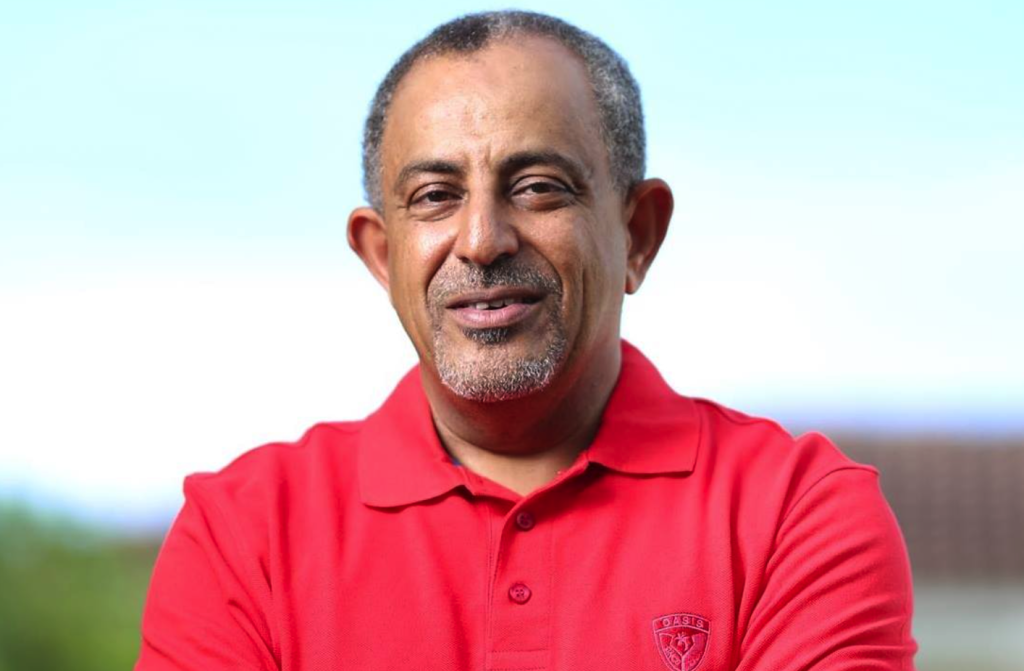
Sulleman Shahbal
Mr. Suleiman Shahbal Chairman Himself with Rare Business Philosophies Built on Failure, Integrity, and Long-Term Vision.
Mr. Suleiman Shahbal, chairman himself, is one of Kenya’s most experienced business minds. One shaped not by uninterrupted success but by repeated failure, resilience, and unwavering personal integrity. His appearance on the Tubonge podcast offered rare, candid insight into the mindset behind his business empire. Thus, revealing lessons that go far deeper than wealth, titles, or public perception.
From the moment he walked into the studio and set the tone of a leader who values people, effort, and process over status. But behind the calm confidence is a business journey marked by hard lessons paid for in millions, sleepless nights, and reputational risks few are willing to take.
Why Titles and Wealth Don’t Define Success
Suleiman Shahbal often dismisses the billionaire label attached to his name, arguing that numbers distract people from what truly matters in business. He likens his journey to that of a decorated military general: on one side, visible medals of success; on the other, service scars that tell the real story.

According to Shahbal, success is never accidental. It is built through repeated failure, discipline, and the ability to rise after loss. By his own account, he has failed in 29 different businesses and gone bankrupt twice. Those failures, he insists, were not setbacks but building blocks. Without them, he would not be where he is today.
The Cost of Undercapitalization and Wrong Partnerships
One of Shahbal’s strongest business principles is simple but often ignored: never start a business without adequate capital. He warns against what he calls “drip-feeding” a venture, starting small, hoping to fix problems later. In his view, that approach guarantees failure.
He compares it to driving from Nairobi to Mombasa with a quarter tank of fuel. The journey ends prematurely, not because of bad intentions, but poor preparation. Many of his early failures stemmed from underestimating costs, entering industries he did not fully understand, and partnering with people whose values or expectations did not align with his own.
Suleiman Shahbal Lessons from the Oil Industry
Shahbal’s early foray into the oil business became one of his most painful learning experiences. Coming from a highly regulated background at Citibank and the Bank of Muscat, he struggled to operate in an environment where illegal shortcuts were normalized.
While competitors made massive profits through fuel adulteration, document manipulation, and regulatory bribery, Shahbal refused to compromise his ethics. His margins were thin, losses mounted, and eventually, he could no longer pay salaries. He shut down the business and walked away bankrupt.
Yet he did not abandon the industry forever. Years later, armed with experience, sufficient capital, and the right partners. Hence returned to the energy sector but this time successfully. What changed was not the market, but his understanding of it.
Losing KSh 450 Million and Moving Forward
Perhaps the most defining chapter in Shahbal’s business journey is the Buxton Point affordable housing project in Mombasa. Entering real estate development with confidence but limited experience, he underestimated the complexity of large-scale housing.
Within nine months, the project was losing hundreds of millions of shillings. Phase one alone recorded losses of approximately KSh 450 million. Factors ranged from lack of sewage infrastructure and unexpected soft ground conditions to global shocks like COVID-19 and the Ukraine war, which drove steel prices up by more than 100 percent.
Despite the losses, Shahbal refused to abandon the project. Buyers had already paid deposits. Families had trusted his word. One elderly woman held his hand and asked for a guarantee that the project would be completed because it represented her life savings. He gave his word, and kept it.
For Shahbal, reputation outweighs profit. Money can be recovered; trust cannot.

Today, Buxton Point stands as one of Africa’s most recognized affordable housing developments, winning continental architectural and environmental awards and attracting interest from governors, regional bodies, and international institutions. What began as a financial loss became a landmark success through persistence and accountability.
One ID, One Apartment: Fairness as a Business Policy
Shahbal’s insistence on fairness shaped Buxton Point’s sales policy. From the beginning, the rule was clear: one ID, one apartment. No bulk buying. No favoritism. While critics later questioned the emergence of rentals and short-term stays, Shahbal maintains that once ownership is transferred, individuals have the legal right to use their property as they choose.
To him, criticism is inevitable when attempting large-scale projects. Those who do nothing, he observes, are often the loudest critics. Progress, by nature, attracts resistance.
Losing Everything and Redefining Identity
Shahbal’s perspective on money was permanently reshaped in the 1990s when he lost everything. At age 35, his net worth stood at approximately $5.5 million, a fortune by the standards of the time. One year later, it collapsed to zero.
That period revealed uncomfortable truths about relationships. Friends doubted his integrity simply because he was bankrupt. Family dynamics shifted. From that experience, Shahbal learned that money should never define identity. Education, values, and relationships matter more, and money eventually follows.
What Still Drives Him Today
Contrary to popular belief, Shahbal says he is not driven by money anymore. Basic human needs remain the same regardless of wealth. His motivation today comes from walking into a project and seeing hundreds of people employed, earning livelihoods, and building futures.
He views himself not as a provider, but as an instrument, a channel through which opportunity flows. Arrogance, he believes, is the fastest way to lose everything.
Failure, Discipline, and Moving Forward
When failure strikes, Shahbal allows himself exactly three days to feel the pain. He reflects, withdraws, and processes the loss fully. After that, he moves forward. Failure, in his philosophy, is never permanent. It is a stepping stone.
Mr. Suleiman Shahbal chairman himself represents a rare model of African business leadership: ethical, resilient, people-centered, and unapologetically honest about the cost of success. His story is not about avoiding failure, but about mastering the courage to rise after it again and again.