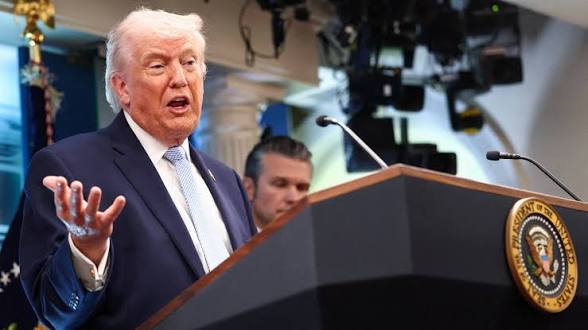
Trump, the Strait of Hormuz, and Fuel Prices in Kenya. What It Means for Global Stability
Global news cycles have recently been dominated by developments involving Donald Trump, Iran, and the strategic waterway known as the Strait of Hormuz. These events are not just geopolitical headlines. They carry real implications for economies worldwide, including Kenya’s fuel prices and cost of living.
Understanding the Strait of Hormuz
To understand the current situation, it is important to first answer: what is the Strait of Hormuz? The Strait of Hormuz is a narrow but crucial shipping lane connecting the Persian Gulf to global markets. Nearly a fifth of the world’s oil passes through this route daily. Any disruption, whether due to conflict or political tension, can trigger immediate changes in global oil prices.
For countries like Kenya, which rely heavily on imported petroleum products, stability in the Strait of Hormuz is essential. When oil supply is threatened, global prices rise, and this directly impacts local fuel costs.
Trump’s Ceasefire Announcement and Iran Talks
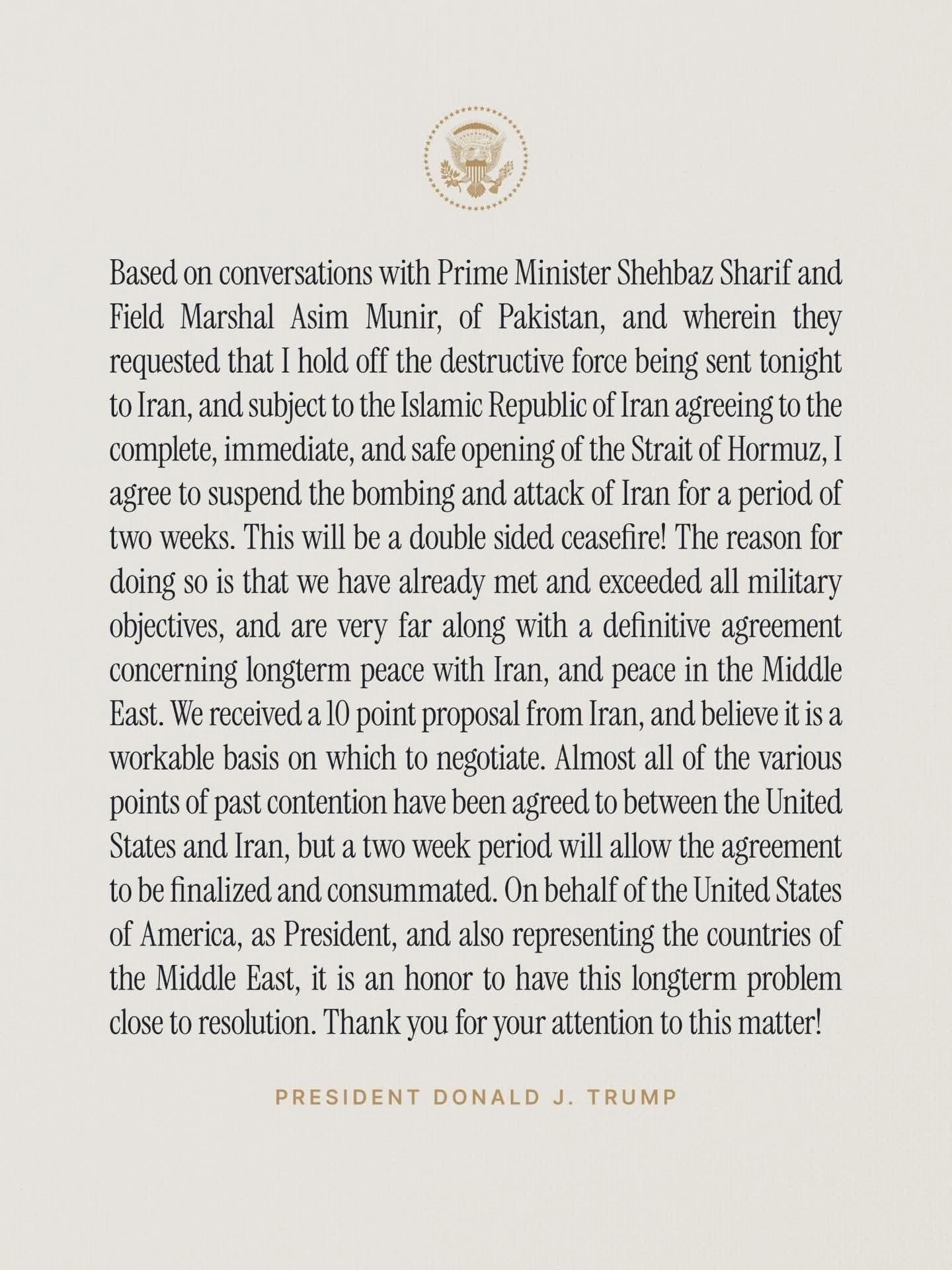
In recent strait of hormuz news, Donald Trump announced a temporary ceasefire involving the United States and Iran. According to his statement, discussions with Pakistan’s leadership led to a two-week suspension of military action.
Trump emphasized that this ceasefire is conditional on Iran agreeing to the “complete, immediate, and safe opening of the Strait of Hormuz.” He also noted that the United States had already achieved its military objectives and was progressing toward a long-term peace agreement with Iran.
This development has been widely covered in trump news and iran news, with analysts viewing it as a significant step toward de-escalation. The possibility of a ceasefire Iran agreement has reduced fears of prolonged conflict in the region.
Why the Strait of Hormuz Matters to Oil Prices
The relationship between the Strait of Hormuz and oil prices is direct and immediate. When there are concerns about the strait being closed or restricted, oil traders react quickly. This leads to price spikes in global markets.
Recent strait of hormuz latest news indicated rising anxiety about potential disruptions. However, Trump’s call to open the Strait of Hormuz has eased some of these concerns. If Iran complies and the waterway remains open, oil supply chains will stabilize.
This is critical because even rumors of a strait of hormuz closure can cause volatility. Markets respond not only to actual disruptions but also to perceived risks.
Impact on Kenya’s Fuel Prices
Kenya imports most of its fuel, making it highly sensitive to global oil price fluctuations. When oil prices increase globally, Kenyan consumers feel the effects through higher petrol, diesel, and kerosene prices.
The oil price trend is therefore closely tied to developments in the Middle East. If tensions between the US and Iran escalate, leading to restricted shipping through the Strait of Hormuz, Kenya could see a sharp rise in fuel costs.
On the other hand, positive developments such as the current ceasefire discussions and efforts to keep the strait open could stabilize or even lower fuel prices. This would be a welcome relief for Kenyan households and businesses already dealing with economic pressures.
The Role of Global Powers
The situation also involves other global players such as China and Russia, particularly in discussions around a potential UN Security Council resolution on the Strait of Hormuz. Reports of vetoes have added another layer of complexity to the situation.
These geopolitical dynamics influence whether diplomatic solutions can be reached. A coordinated international effort increases the chances of maintaining peace and ensuring uninterrupted oil flow.
Strait of Hormuz Traffic and Global Trade
The Strait of Hormuz is not only vital for oil but also for broader global trade. Thousands of ships pass through it, carrying energy supplies to Asia, Europe, and beyond. Monitoring strait of hormuz traffic has become a key indicator for global economic stability.
Any disruption would affect shipping timelines, insurance costs, and overall trade efficiency. This would eventually trickle down to consumer prices worldwide, including in Kenya.
A Positive Outlook for Global Stability
Despite the tensions, there are reasons for optimism. The current ceasefire initiative and ongoing negotiations signal a willingness among key players to pursue diplomacy over conflict.
Trump’s statement highlighted progress toward a “definitive agreement concerning long-term peace with Iran.” If successful, this could mark a turning point in US-Iran relations and bring sustained stability to the region.
For Kenya, such stability would mean more predictable fuel prices, improved economic planning, and reduced pressure on consumers.
Conclusion
The evolving situation involving Donald Trump, Iran, and the Strait of Hormuz underscores the interconnected nature of global economics. Developments in distant regions can have immediate effects on everyday life in Kenya.
As strait of hormuz news today continues to unfold, the focus remains on whether the waterway stays open and whether diplomatic efforts succeed. For Kenyan consumers, the outcome will directly influence fuel prices and the broader cost of living.
In a world shaped by global interdependence, peace and cooperation remain the most effective tools for ensuring economic stability and shared prosperity.