TRF Trains Kenyan Journalists and Content Creators
Thomson Reuters Foundation and Baraza Media Lab train Kenyan journalists and creators on elections reporting ahead of the 2027 polls.
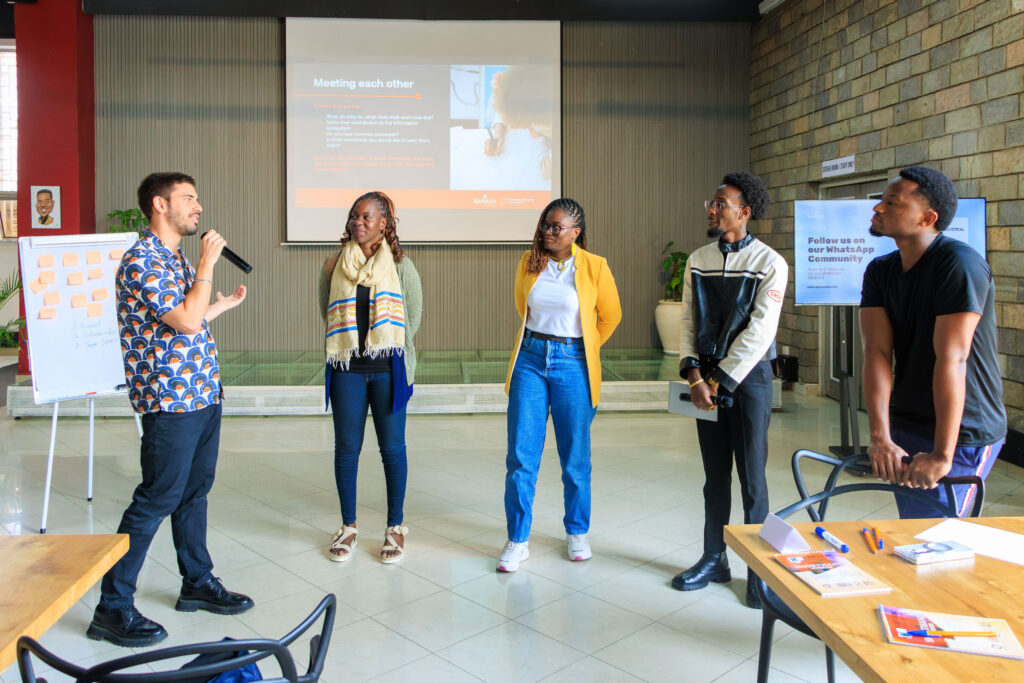
Kenya’s newsroom of the future just got a major boost. The Thomson Reuters Foundation, in partnership with Baraza Media Lab, has selected and trained a rising class of Kenyan journalists and content creators through the “News Creator” programme. The focus: elections reporting ahead of Kenya’s 2027 polls.
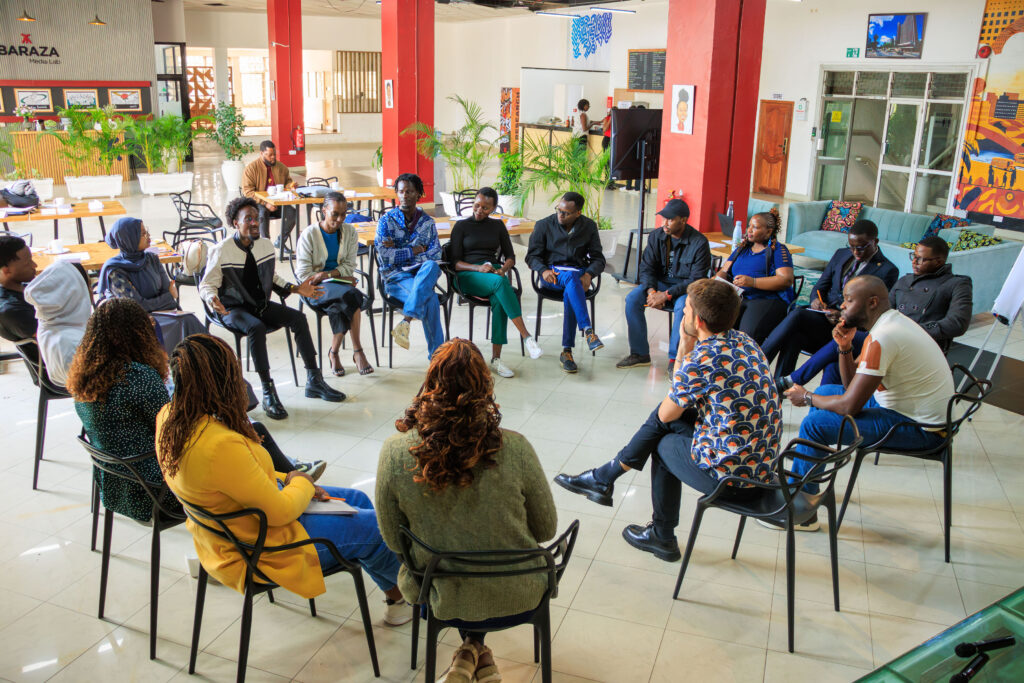
The initiative drew over 100 applications from across the country. Fewer than 20 storytellers made the final cut. That selection ratio alone signals how competitive, and how valued, this training has become among Kenya’s media community.
A Programme Built for Kenya’s 2027 Election
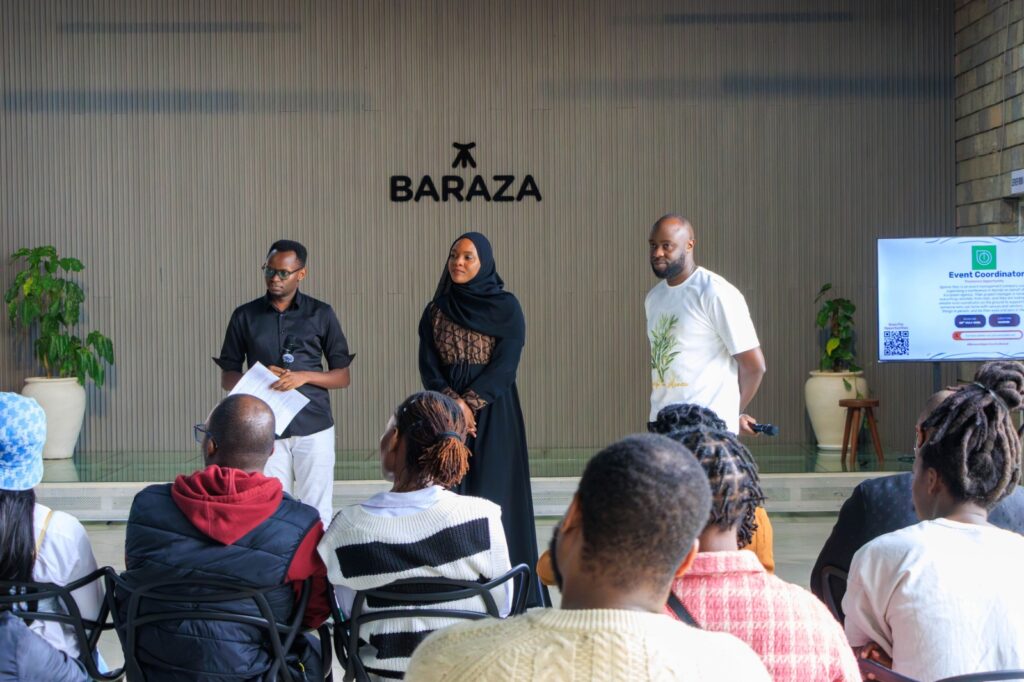
The session held for 3 days, from 15 July 2026, and carried a clear theme: preparing Kenya’s storytellers for the 2027 election and beyond. This is not a one-off workshop.
It is part of a growing collaboration between the Thomson Reuters Foundation and Baraza Media Lab designed to strengthen civic storytelling across traditional and digital media.
The programme brought together two groups that don’t always sit in the same room: journalists and content creators. Both groups shape how Kenyans consume news today.
Both groups now share a training space built around trust, verification, and audience-first storytelling.
Who Facilitated the Training
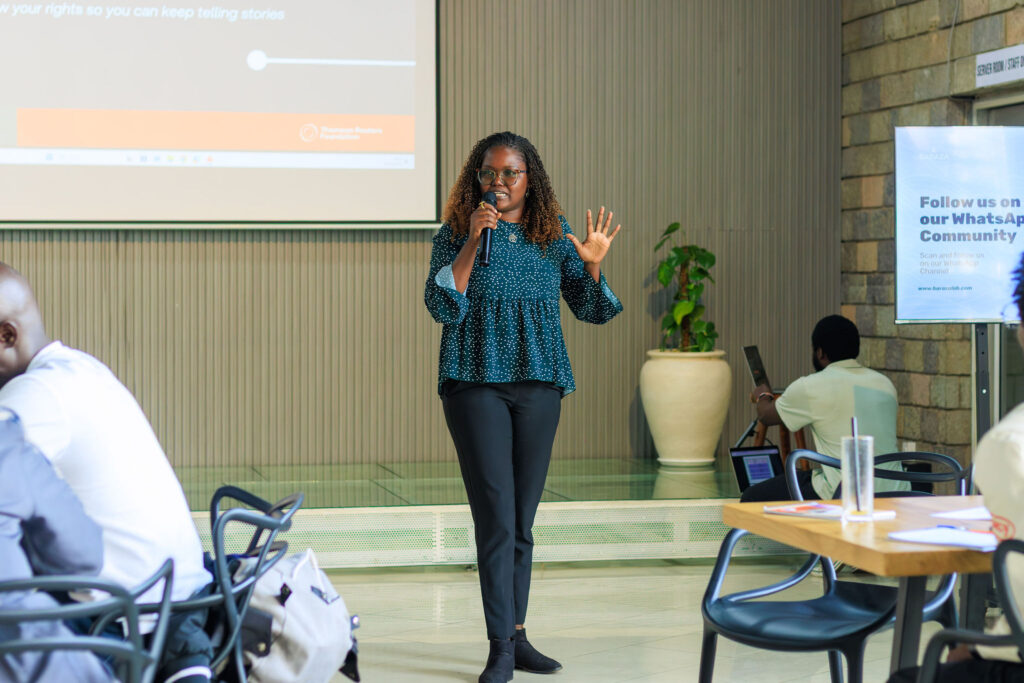
The Kenya-based session was facilitated by Ian Wafula, a journalist, film director, and media trainer. He is the founder of Sauti Sessions Network and a former Africa Security Correspondent for the BBC.
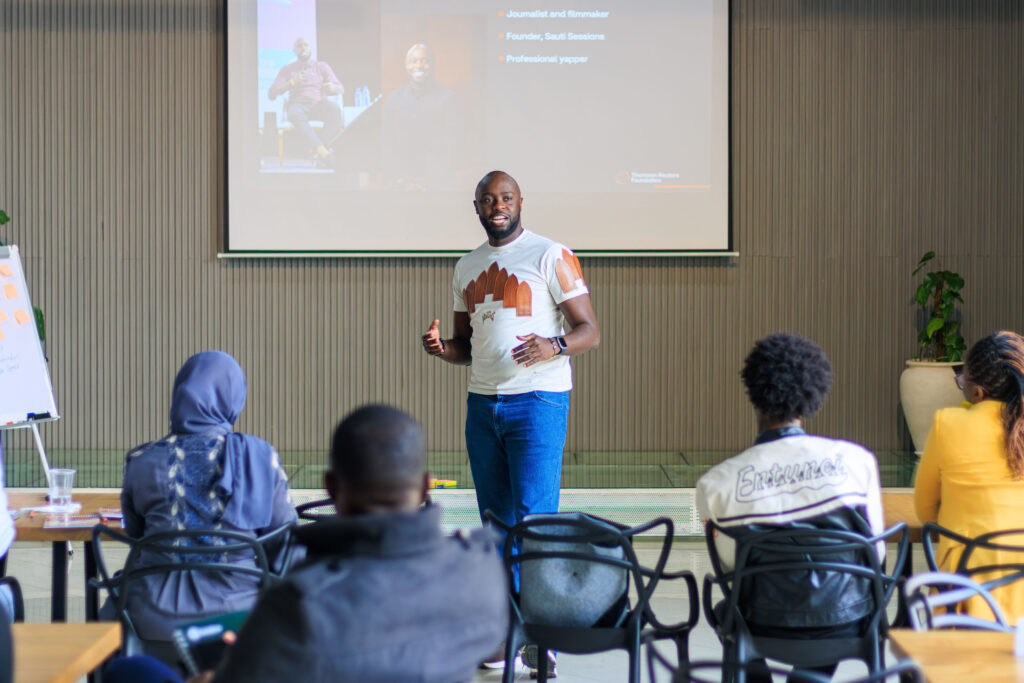
Wafula brought real-world reporting experience into the room, including insights on how mobile journalism is reshaping investigative work.
He shared how a five-minute video shot in Congo led to a major discovery about the origins of mercenaries operating in the region.
The example illustrated a bigger point: mobile journalism now carries the weight once reserved for large newsroom investigations. A single phone, in the right hands, can break a story that shifts public understanding.
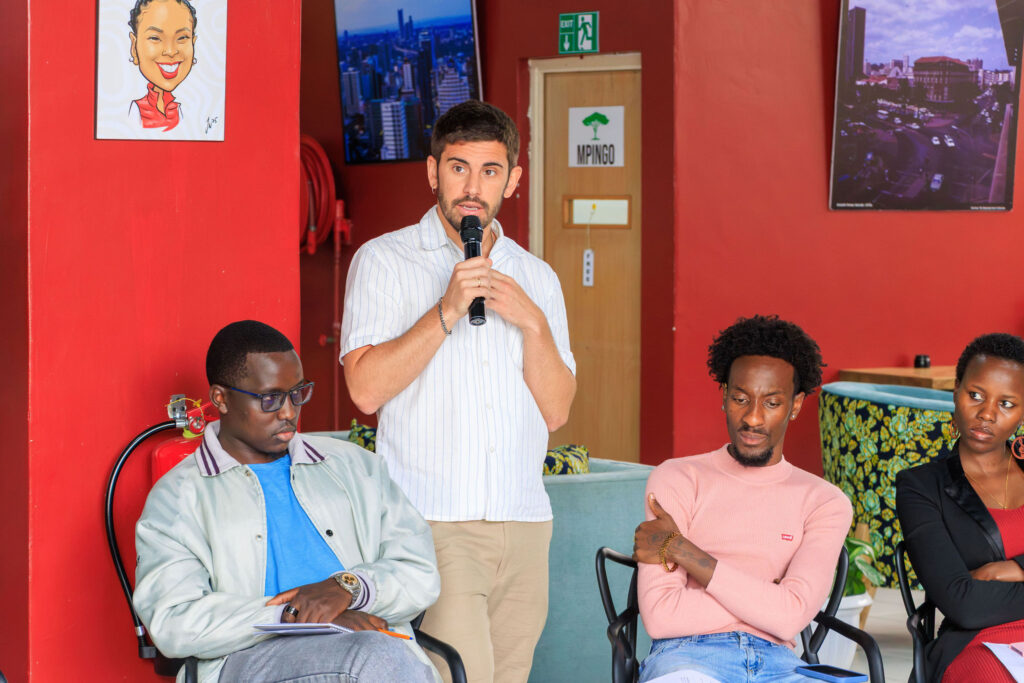
Enrique Anarte Lazo, a multimedia journalist, social video creator, and correspondent for the Thomson Reuters Foundation’s Context and Openly media brands, also contributed to the training.
His experience spans reporting, video creation, and journalism education, adding further depth to the curriculum.
Why Trust Sits at the Centre of Elections Reporting
The single biggest takeaway from the training was simple but urgent, that trust is everything in elections reporting. Public confidence in the media determines whether election coverage informs voters or fuels confusion.
The Thomson Reuters Foundation grounded the entire curriculum in its Trust Principles:
- Independence — reporting free from outside influence
- Integrity — consistent, honest journalistic practice
- Freedom from bias — fair representation of every voice and perspective
Trainers were direct about the stakes. Without credibility, media loses its purpose. Trust is not one factor among many in election coverage.
It is the foundation everything else stands on.
Journalists vs. Creators Productive Tension
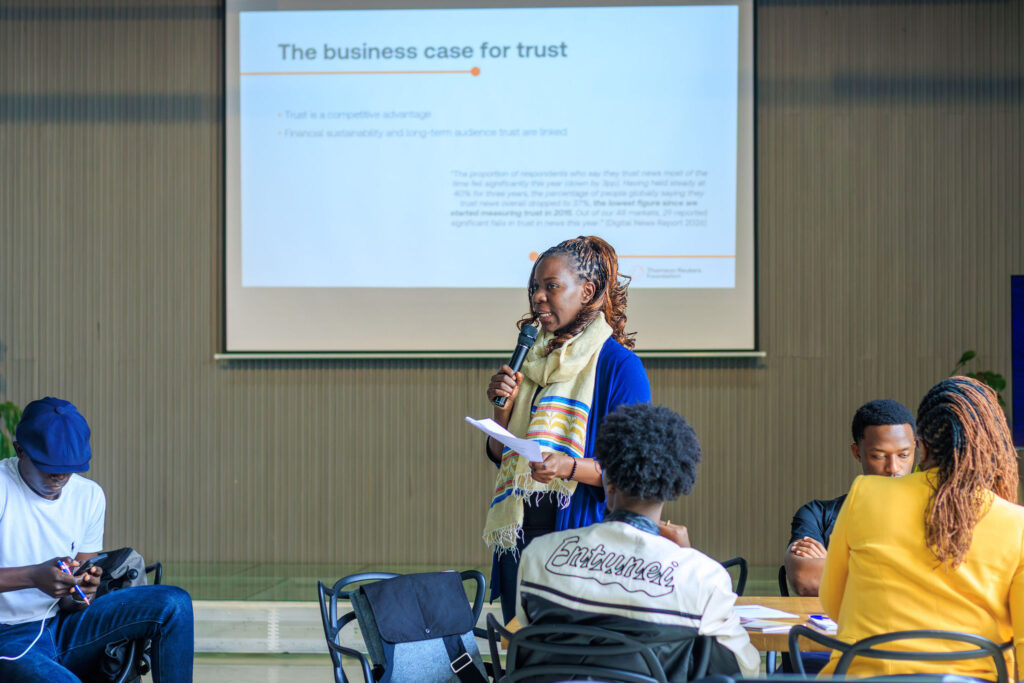
One of the sharpest conversations in the room centred on identity. Is the real divide in Kenyan media between traditional and digital platforms? The training suggested otherwise. The bigger tension lies between journalists and content creators.

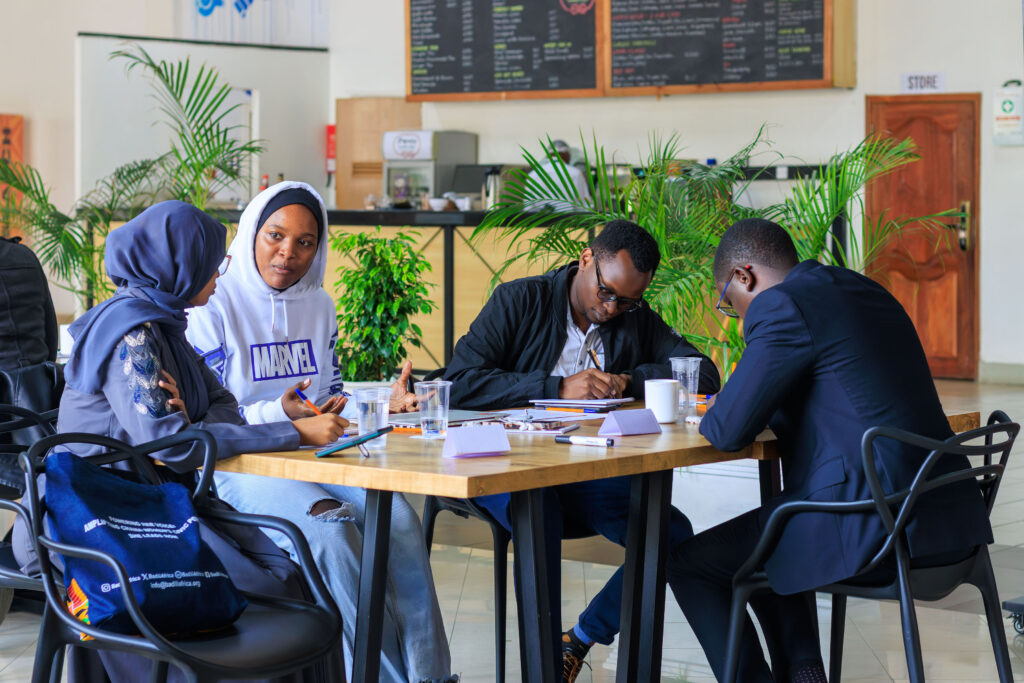
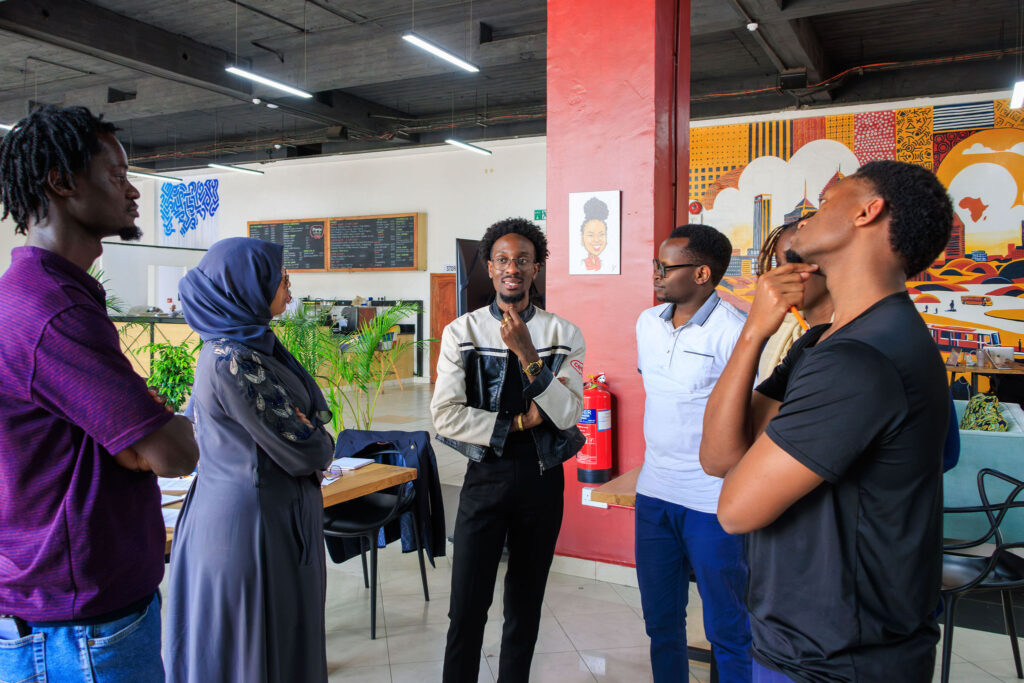
Participants didn’t shy away from this divide. The room, made up of select Kenyan creators and journalists, held sharply different views on process, speed, and platform strategy. Yet most agreed on one point: coexistence isn’t optional. It’s necessary.
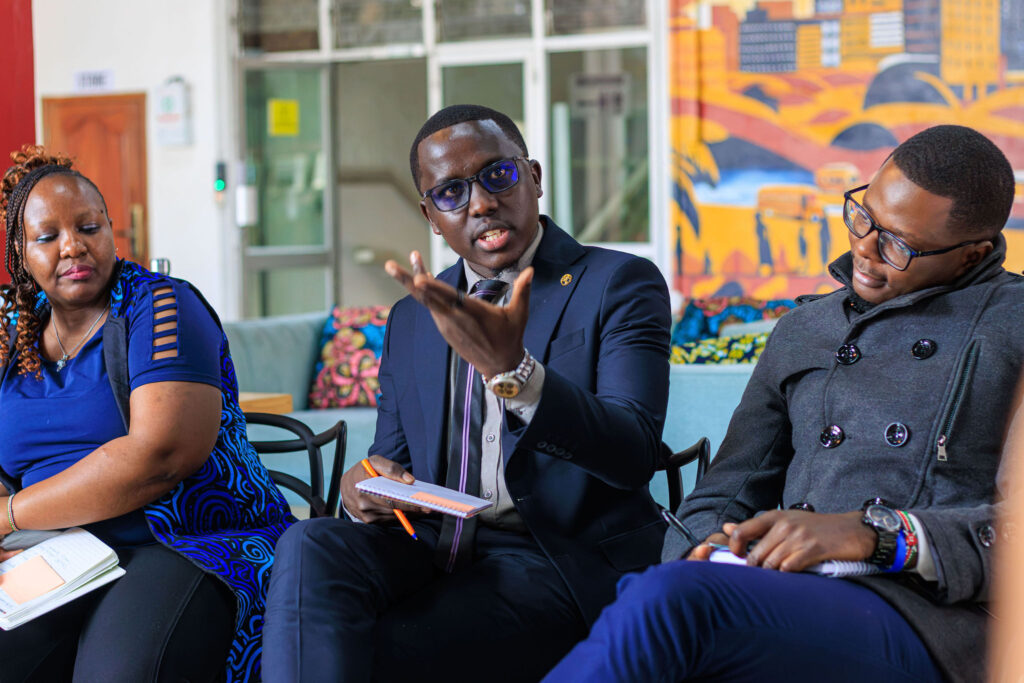
The real challenge, as framed during the sessions, is finding balance. Journalistic thoroughness must meet audience trust. Audience trust must meet real engagement. None of these three can be sacrificed for the other two.
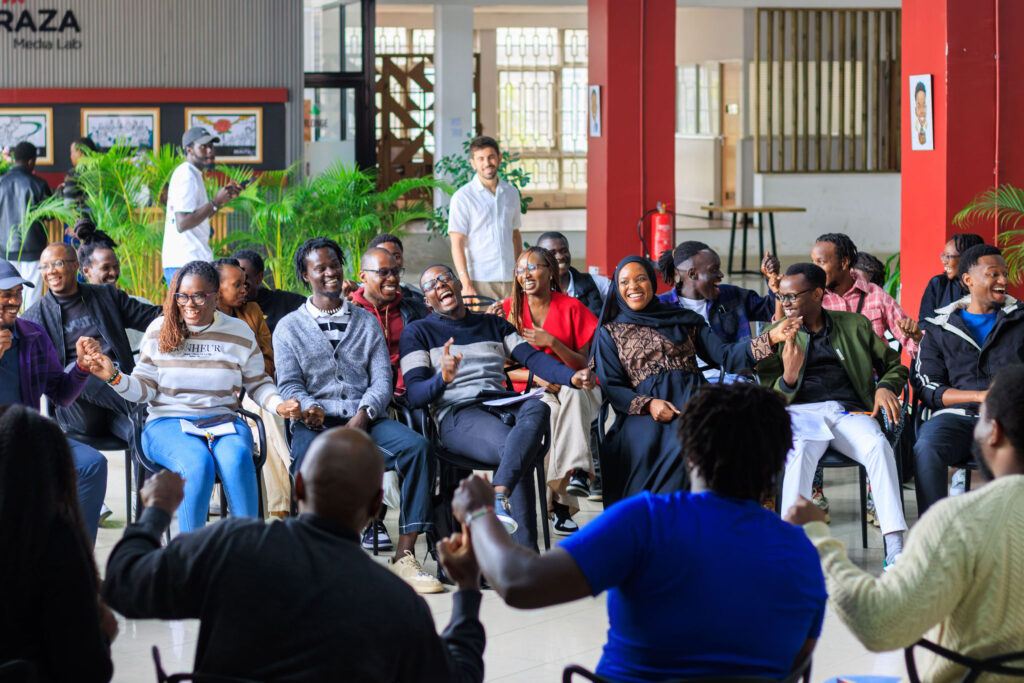
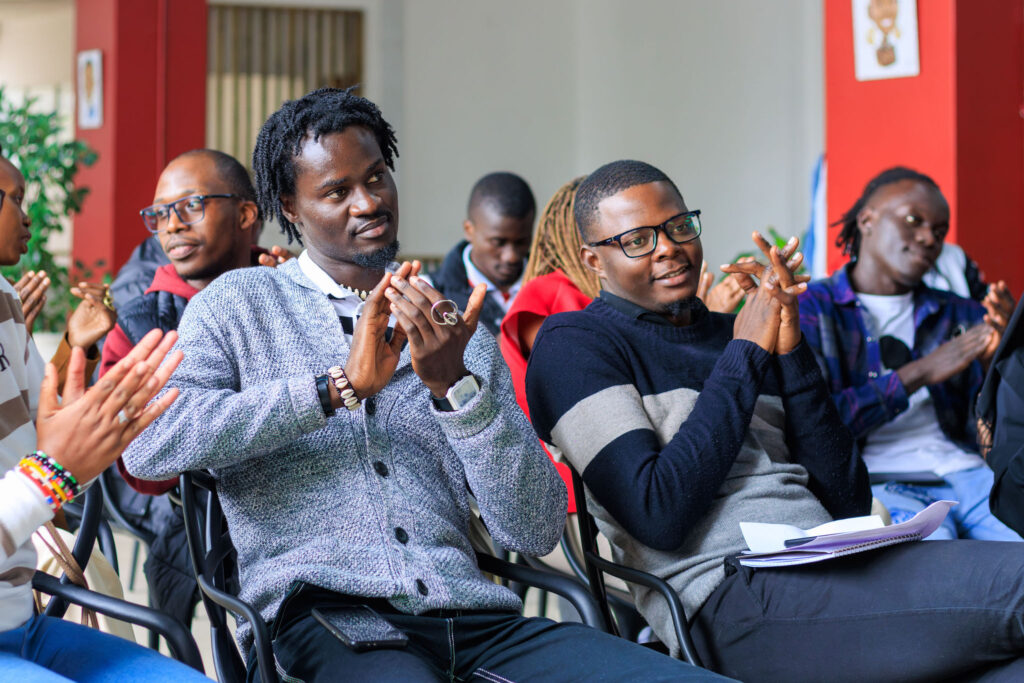
That tension became a learning opportunity. Participants built a network of storytellers who now share common values and mutual respect, born directly from working through these disagreements together.
Skills Kenyan Storytellers Gained
The training translated big ideas into practical, personal skill gains. By the end of the programme, participants reported measurable growth across several areas.
Trust and sustainability
Participants can now better describe the relationship between editorial trust, audience growth, and the sustainability of their income as storytellers.
On platform literacy
They can better analyse how platform algorithms affect the reach of their reporting and the editorial choices they make. Many identified one opportunity and one risk tied to platform dependency, including the risk of self-censorship.
On legal awareness
Participants can now identify the three most common legal instruments used against civic storytellers in Kenya. A critical skill heading into an election cycle where legal pressure on journalists tends to rise.
On cross-group collaboration
Each participant can describe one specific contribution that a peer from the other professional group, journalist or creator, brings to civic storytelling that their own group does not offer.
Editorial independence
Storytellers can now identify one specific pressure in their own work that threatens editorial independence, along with one concrete strategy to manage it.
On the shifting media landscape
Participants can describe at least two ways the information ecosystem and news consumption habits have shifted in Kenya, and explain what that means for their own practice going forward.
Audience-centric storytelling
They can now explain what an audience-centric approach to civic storytelling looks like in their own format, and name one change they could make to better serve their audience.
On verification
Participants can describe the role of verification in building trust, credibility, and audience confidence. They can also identify strengths and gaps in their own verification practice.

Social video production
Trainees can now script a short civic-story social video using a clear hook-and-structure format, and apply the Reuters Trust Principles of independence, integrity, and freedom from bias directly to that content.
On income diversification
Participants can analyse the relationship between editorial trust, audience growth, and at least two income streams relevant to their practice.
On peer feedback and ethics
Storytellers can now give and receive constructive peer feedback using the programme’s editorial standards checklist.
They can also explain the ethical responsibilities of representing community voices accurately and fairly, in line with the Trust Principles.
Why This Matters for Kenya’s 2027 Election
Elections reporting carries unique risks: misinformation, legal pressure, platform manipulation, and public distrust.
Training a new generation of journalists and creators to handle these risks early gives Kenya a stronger information ecosystem heading into 2027.
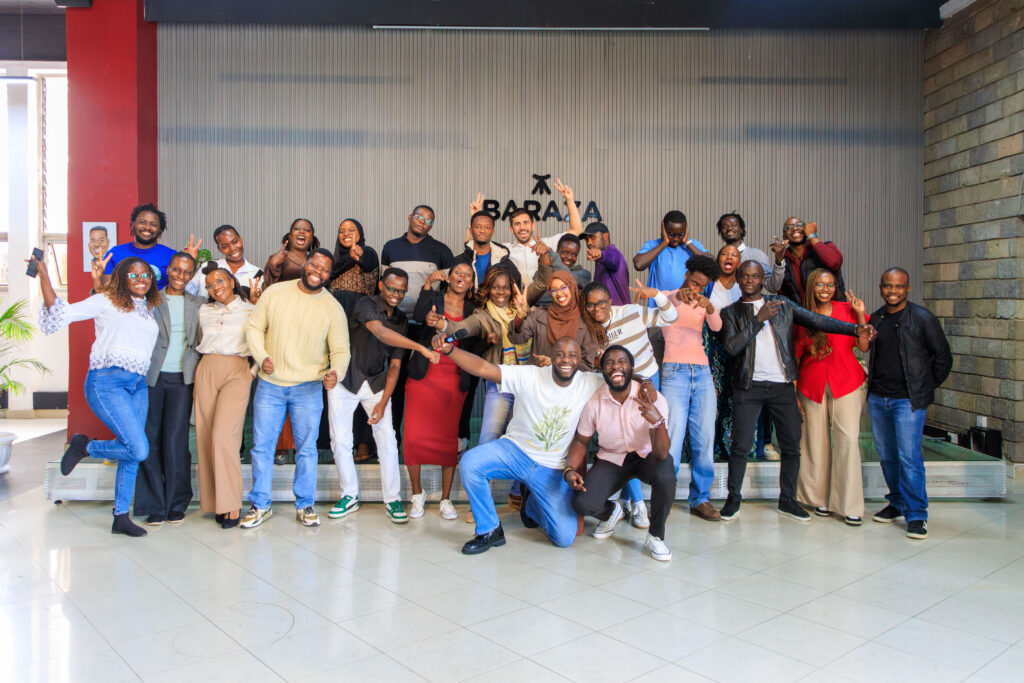
The Thomson Reuters Foundation and Baraza Media Lab have positioned this cohort to lead that effort. With fewer than 20 selected from over 100 applicants, the programme has assembled a concentrated group of skilled, trust-driven storytellers.
Their shared training in verification, editorial independence, and audience-centric reporting places them at the front line of Kenya’s next election cycle.
As mobile journalism, social video, and traditional reporting continue to converge, this new network of Kenyan storytellers stands ready to inform the public with integrity.
Main Takeaway
The “News Creator” programme reflects a broader shift in Kenyan media. Journalists and creators are no longer separate lanes.
They are becoming one ecosystem, bound by shared Trust Principles and a common goal: credible, fair, and audience-first elections reporting.
As Kenya moves toward 2027, this Thomson Reuters Foundation and Baraza Media Lab collaboration offers a clear signal.
The future of election coverage in Kenya will be built on trust, verification, and genuine respect between every storyteller in the room.