Deep Fried Turkey
Let’s take a look into Turkey Making like deep fried turkey, Guide Best Methods for Juicy, Flavorful Results
Turkey making is both a tradition and a culinary skill perfected through technique and timing. This guide explains brining, spatchcocking, frying, roasting, and smoking turkey properly.
Each method delivers unique textures, flavors, and cooking times worth understanding.
Understanding Turkey Preparation Basics
Turkey preparation begins with proper thawing and cleaning before seasonings are applied. Defrosting a turkey safely prevents bacteria growth and ensures even cooking.
Always thaw turkey in a refrigerator, allowing 24 hours per five pounds. Knowing when to thaw turkey avoids rushed preparation and uneven internal temperatures.
Brine, Dry Brine, and Flavor Absorption
Brine is a salt-based solution that helps turkey retain moisture during cooking.
Turkey brine typically includes water, salt, sugar, and aromatic herbs.
Brining allows salt to penetrate muscle fibers, improving tenderness and juiciness.
Most turkeys should brine for 12 to 24 hours.
Dry brine turkey recipe methods use salt without added liquid.
Dry brining requires seasoning the turkey and refrigerating it uncovered.
Learning how to dry brine a turkey improves crispy skin results.
Dry brining usually lasts 24 to 48 hours.
Alton Brown turkey brine popularized balanced salt-to-sugar ratios.
Butterball turkeys are often pre-brined, requiring less added salt.
Spatchcock Turkey for Faster Cooking

A Spatchcock turkey involves removing the backbone to flatten the bird. This technique reduces cooking time and promotes even heat distribution.
Learning how to spatchcock a turkey requires kitchen shears and steady hands.
Spatchcock turkey cook time averages 90 minutes for a 14-pound turkey. The flatter shape allows breast and legs to cook evenly.
Spatchcock turkey recipes work well for roasting or smoking methods.
Spatchcock turkey Food enthusiasts value crisp skin and reliable doneness.
Oven Roasting Turkey Properly
Roasting remains the most common turkey making method worldwide. A roasting pan with rack encourages airflow and even browning.
Compound butter for turkey adds moisture and deep herbal flavors.

Knowing how long to cook a turkey in the oven matters.
A 20-pound turkey takes approximately four and a half hours at 325°F.
Always check turkey temp when done using a thermometer.
Safe turkey temperature reaches 165°F internally.
Cheese cloth turkey methods keep breasts moist during long roasting.
Remove the cloth during the final 30 minutes for crisping.
Smoking Turkey at Low Temperatures
Smoking yields deep flavor and tender meat when done patiently.
Many ask how long to smoke a turkey at 275 degrees.
At 275°F, turkey smokes approximately 20 minutes per pound.
Others prefer how long to smoke a turkey at 250 degrees slowly.
Lower temperatures extend cooking time but improve smoke penetration.
Smoked turkey pairs well with homemade turkey gravy.
Always rest smoked turkey at least 30 minutes before slicing.
Deep Fried Turkey Safety and Flavor
Deep fried turkey cooks faster and creates extremely crispy skin. Thus, Deep frying requires a turkey fryer designed for outdoor use.
Never fry turkey indoors due to fire risk.

Deep fried turkey recipe success depends on precise oil temperature. Oil should remain near 350°F during cooking.
Shoppers often search deep fried turkey time for planning.
A 14-pound turkey fries in 45 minutes.
Knowing how long to deep fry a turkey prevents undercooking.
People search deep fried turkey near me during Thanksgiving seasons.
Some retailers offer deep fried turkey where to buy options.
Popeyes fried turkey and Cajun fried turkey inspire home cooks. The Fried turkey popeyes popularity proves nationwide demand.
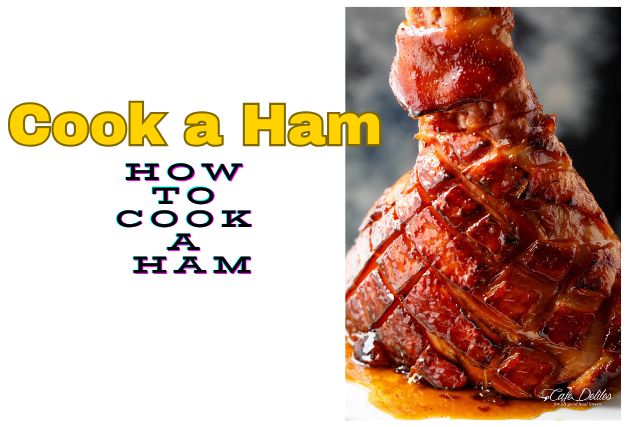
Read Also: How to Cook Ham Perfectly
Fried Turkey Variations and Dishes
Fried turkey wings cook quickly and develop bold seasoning crusts. Also, the Fried turkey breast offers lean meat without long cooking times.
Many enjoy fried turkey chops for weeknight meals.
Arby’s deep fried turkey sandwich increased holiday turkey interest.
Fried rice with ground turkey remains popular worldwide.
Fried rice and turkey showcase turkey’s versatility in global dishes.
Turkey Gravy and Final Touches
Homemade turkey gravy uses drippings, fat, flour, and stock.
Gravy enhances flavor and improves moisture on sliced turkey.
Resting turkey after cooking is essential for juiciness.
Carving too soon releases valuable internal moisture.
Cultural Terms and Curiosities
Uncle Ray’s turkey refers to regional smoked turkey seasoning styles. Younger cooks encounter luffy meaning while browsing unrelated food searches. Cameroon meaning often arises in global cuisine discussions online.
Cockatiel meaning appears due to algorithmic keyword overlap.
These terms reflect how diverse food searches intersect digitally.
Choosing the Right Turkey Method
Roasting suits traditional gatherings and predictable timing needs. Smoking offers rich flavor and outdoor cooking enjoyment.
Deep frying suits experienced cooks seeking speed and crispiness.
Spatchcock turkey methods balance speed and moisture effectively.
Brining improves results regardless of cooking technique.
Final Thoughts on Turkey Making
Turkey making improves with preparation, temperature control, and patience. Each cooking method serves different tastes and schedules.
Understanding turkey basics ensures safe, tasty, and memorable meals. Whether smoking, roasting, or frying, technique shapes results.
Master turkey methods once, and holiday cooking becomes effortless.