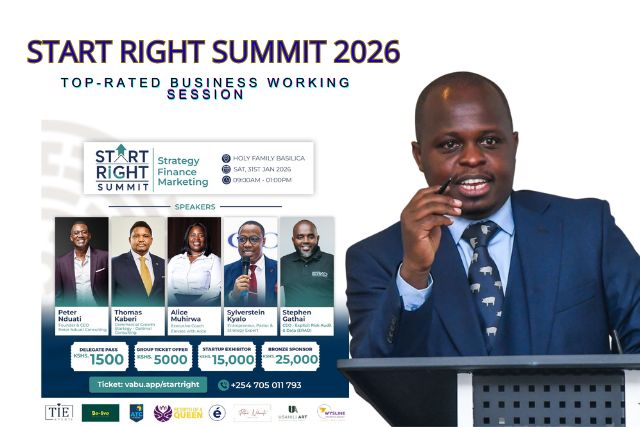
Start Right Summit 2026
Start Right Summit 2026 Key Business Lessons I Took Away From Nairobi’s Most Practical Founder Working Session
By Samuel Ngare.
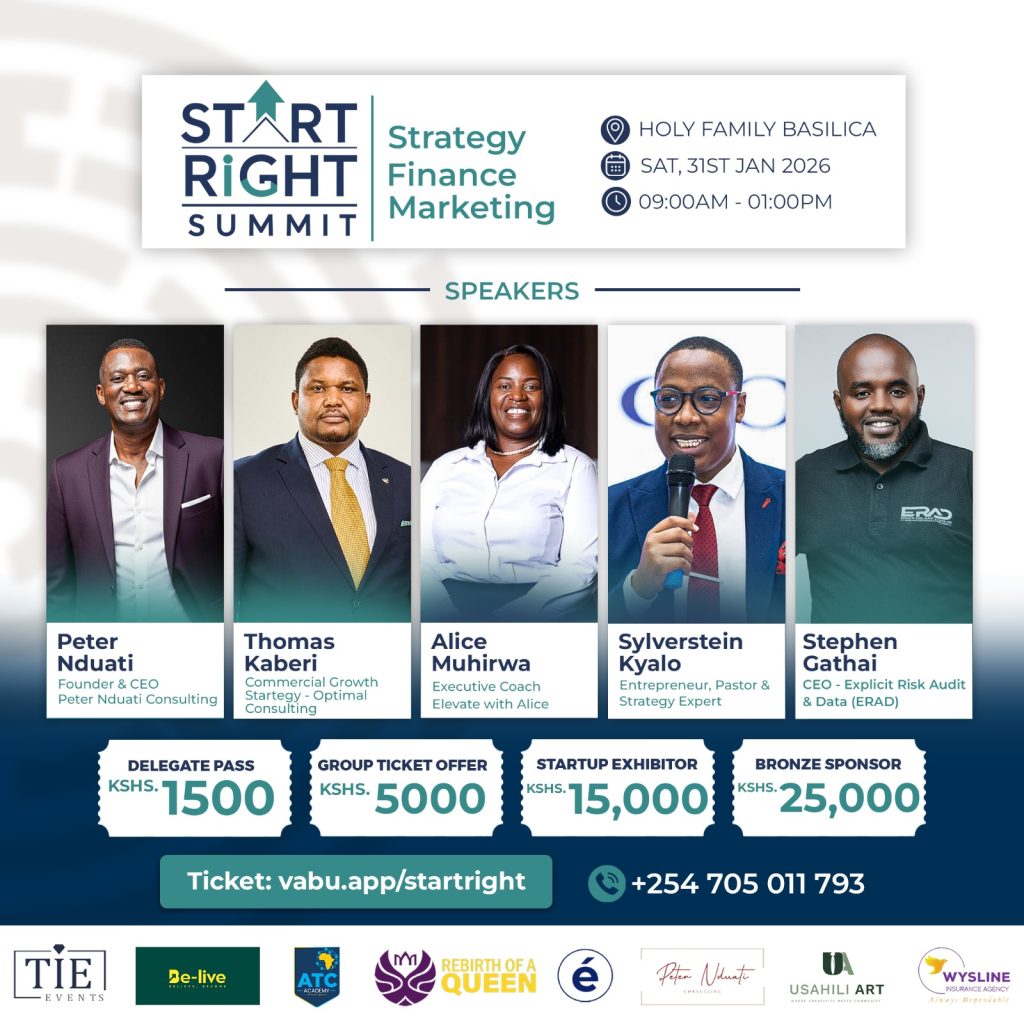
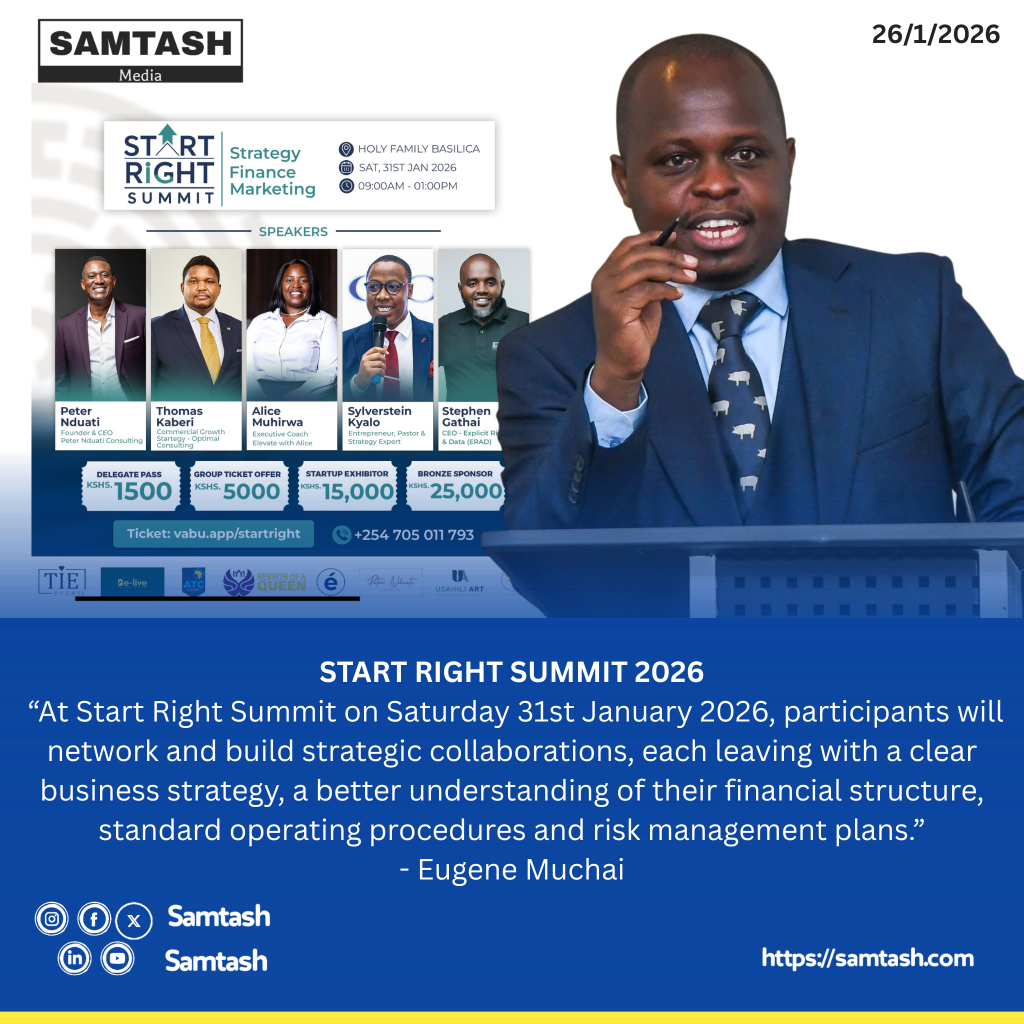
The Start Right Summit 2026 was not another inspirational business conference filled with abstract motivation and empty promises.
Held at Holy Family Basilica, Nairobi, the summit delivered what it promised: structure, clarity, and practical thinking for founders serious about sustainability. As a participant, I walked away with clear nuggets that directly challenge how most of us entrepreneurs operate their businesses.

Rogers, the Bird Man of Nairobi, attended the Professionals Summit alongside his hawk, Jme, with whom he has shared an unusual bond and communicated for quite some time.
The summit reinforced one core idea repeatedly: growth is not accidental; it is designed, structured, and intentionally built.
Whereby, each speaker tackled a specific pillar that determines whether a business survives pressure or collapses under it.
SOPs: Why Businesses Fail Without Documented Processes
The First session kicked on Standard Operating Procedures (SOPs) by Stephen Gathai, a reality check for many founders in the room. Hence, SOPs were defined as documented rules and procedures guiding how work is done consistently.
The speaker emphasized the 5Ws and H, clarifying who does what, when, why, where, and how. This framework exposed how many businesses depend dangerously on individuals rather than systems.
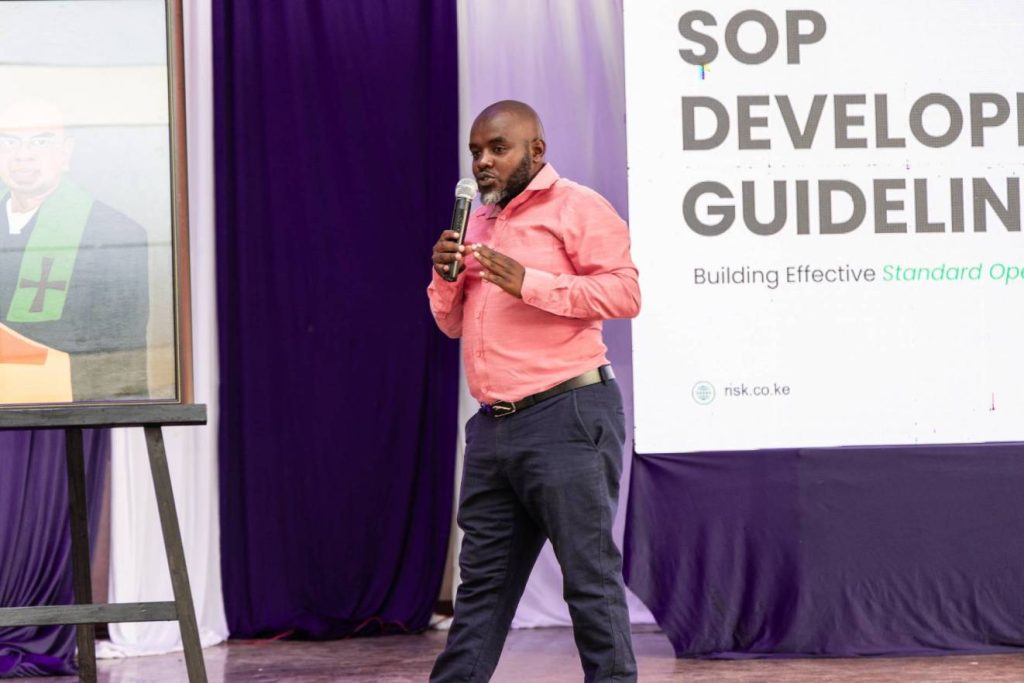
One powerful takeaway was that SOPs enable business transfer, continuity, and operational independence. Without procedures, businesses struggle to scale, delegate, or even take breaks without disruption.
SOPs were also positioned as a core risk management tool, not just an administrative requirement. Clear objectives supported by procedures reduce confusion, errors, and unnecessary operational firefighting.
Executive Etiquette and Branding: Likability Converts Before Strategy
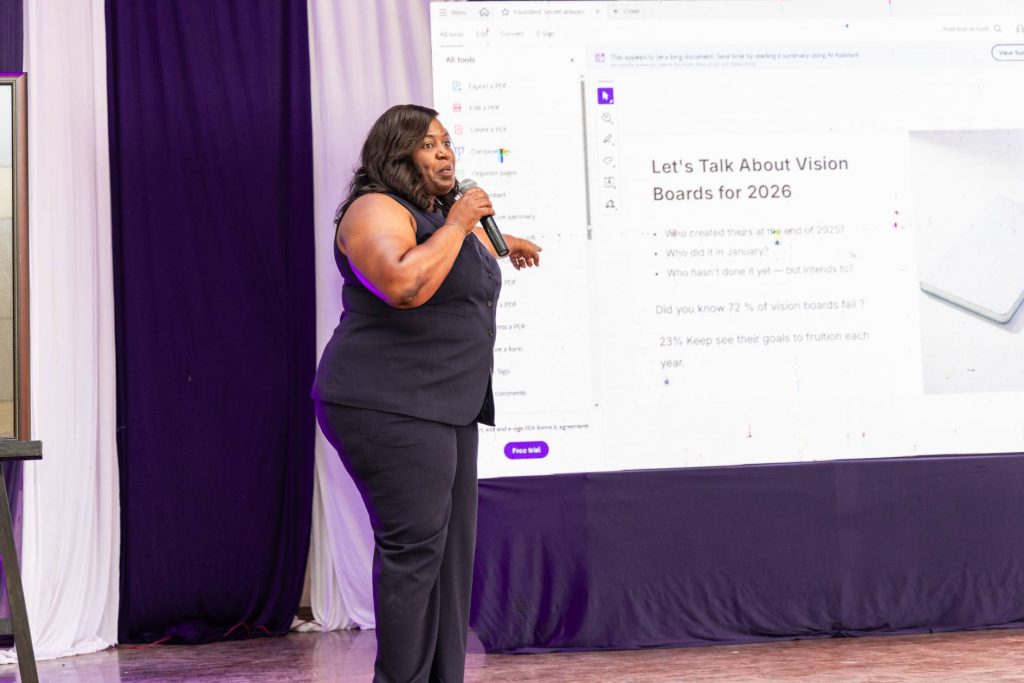
Alice Muhirwa’s session on Executive Etiquette and Branding addressed a neglected growth lever: human perception. She emphasized that starting right structurally begins with what founders already have, including skills, tools, and strategic thinking.
The session explored likability as a measurable business advantage rather than a personality trait. Soft skills such as poise, presence, and etiquette were positioned as conversion tools.
Negotiation, project presentation, and offer articulation were highlighted as deal-making moments. One clear lesson stood out: professionalism builds trust before price or product is even discussed.
Scalability, Alice noted, is sustained by the ability to retain clients, not just acquire them. Retention depends heavily on consistency, respect, and how clients feel during engagements.
Business Systems: Sustainability Is Engineered, Not Hoped For

Sylverstein Kyalo’s session focused on business systems as the backbone of sustainability. Systems were described as enablers that support scaling and opportunity readiness.
A key takeaway was that systems define whether a business can grow without breaking. The session reframed businesses as interconnected systems, not isolated tasks or departments. Thus, Founders were challenged to define their value system clearly.
This included who finds value in the business and how that value is communicated. It also covered how value is produced internally and delivered consistently to clients. Without systems, opportunities overwhelm businesses instead of strengthening them.
Systems create predictability, accountability, and confidence for both founders and customers.
Sales Solve More Problems Than Most Founders Admit
Thomas Kaberi’s session addressed a truth many entrepreneurs avoid: most business problems are sales problems.

Sales was framed as assurance, not persuasion.
The core role of sales is assuring clients they are making the right decision with the right business. Customers should never doubt the business, the offer, or the person presenting it. Notably, Trust gaps kill deals faster than pricing or competition.
The importance of a structured sales funnel was emphasized repeatedly. A clear funnel builds predictability, confidence, and measurable growth.
Sales systems protect businesses from emotional selling and inconsistent revenue cycles.
Governance and Deal Readiness

Peter Nduati’s session asked a confronting question: Is your business deal ready?
Founders were challenged to think beyond daily operations and prepare for partnerships, funding, and opportunities. One major takeaway was the importance of having a governance board, even in early stages.
Governance was presented as discipline, not bureaucracy.
Building structures early prevents chaos later. Growth, Nduati emphasized, does not just come; it is intentionally created.
Deal readiness requires accountability, documentation, and strategic foresight.
Businesses that prepare early attract opportunities with less friction.
Marketing Vision 2026 Presence, Findability, and Trust

Janet Machuka’s session focused on building a powerful marketing vision for 2026.
The first takeaway was simple but powerful: presence matters. If customers cannot find you, they cannot trust you.
Findability was emphasized as a foundational marketing responsibility.
Janet introduced a brand vision test built around real problems and real customer needs. Key elements included leading conversations, having a distinct voice, and building recognition.
Trust-based growth was presented as more sustainable than short-term visibility hacks. Marketing was framed as purposeful problem-solving rather than loud promotion.
Brands that solve real problems build loyalty faster than those chasing trends.
Why the Start Right Summit Format Worked

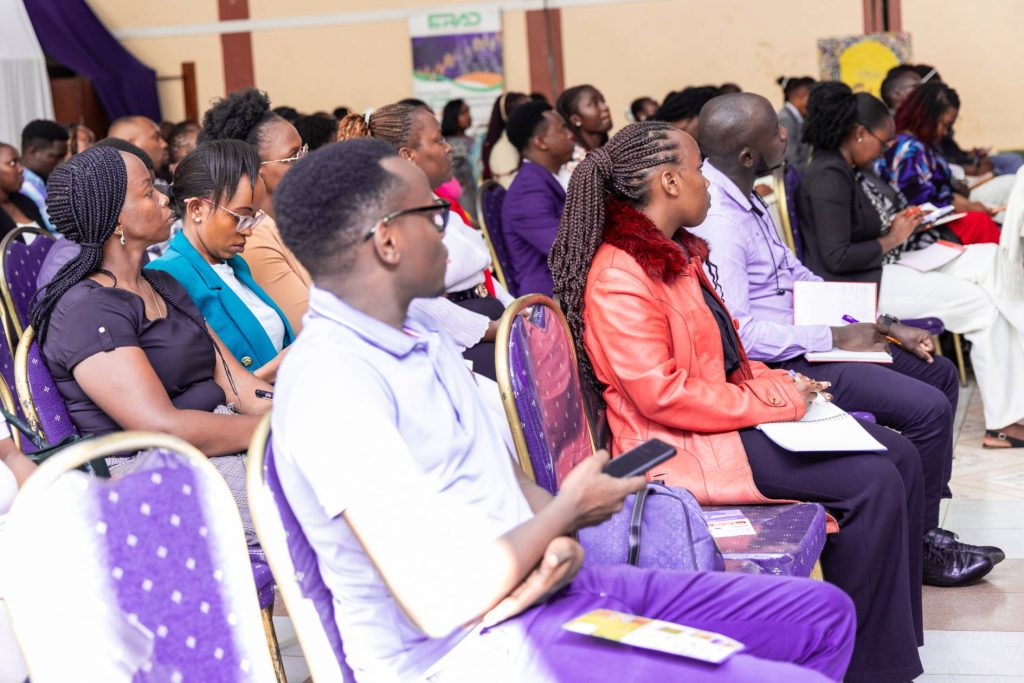
The summit’s working session format forced reflection instead of passive consumption. Participants were encouraged to think, write, and reassess their businesses in real time.
The venue created a calm environment that supported deep thinking and ethical reflection.
The Saturday timing allowed founders to step away from operational noise.
The experience reinforced that clarity requires intentional pauses.
Final Reflection
The biggest lesson from Start Right Summit 2026 was that structure precedes scale. Systems, procedures, governance, sales clarity, branding, and marketing vision are interconnected.
Ignoring one weakens the others. The summit did not promise overnight success, it offered something more valuable: tools for sustainable decision-making.
For founders serious about long-term impact, these lessons are not optional.
They are the difference between building a business and running a hustle.
Start Right Summit 2026 proved that when founders start right, growth becomes deliberate, measurable, and sustainable.
For many of us in the room, the work truly begins after the summit.