Aliko Dangote East Africa's Mega Oil Refinery
Aliko Dangote Pledges to Build East Africa’s Mega Oil Refinery Within Four to Five Years, And He Means Business
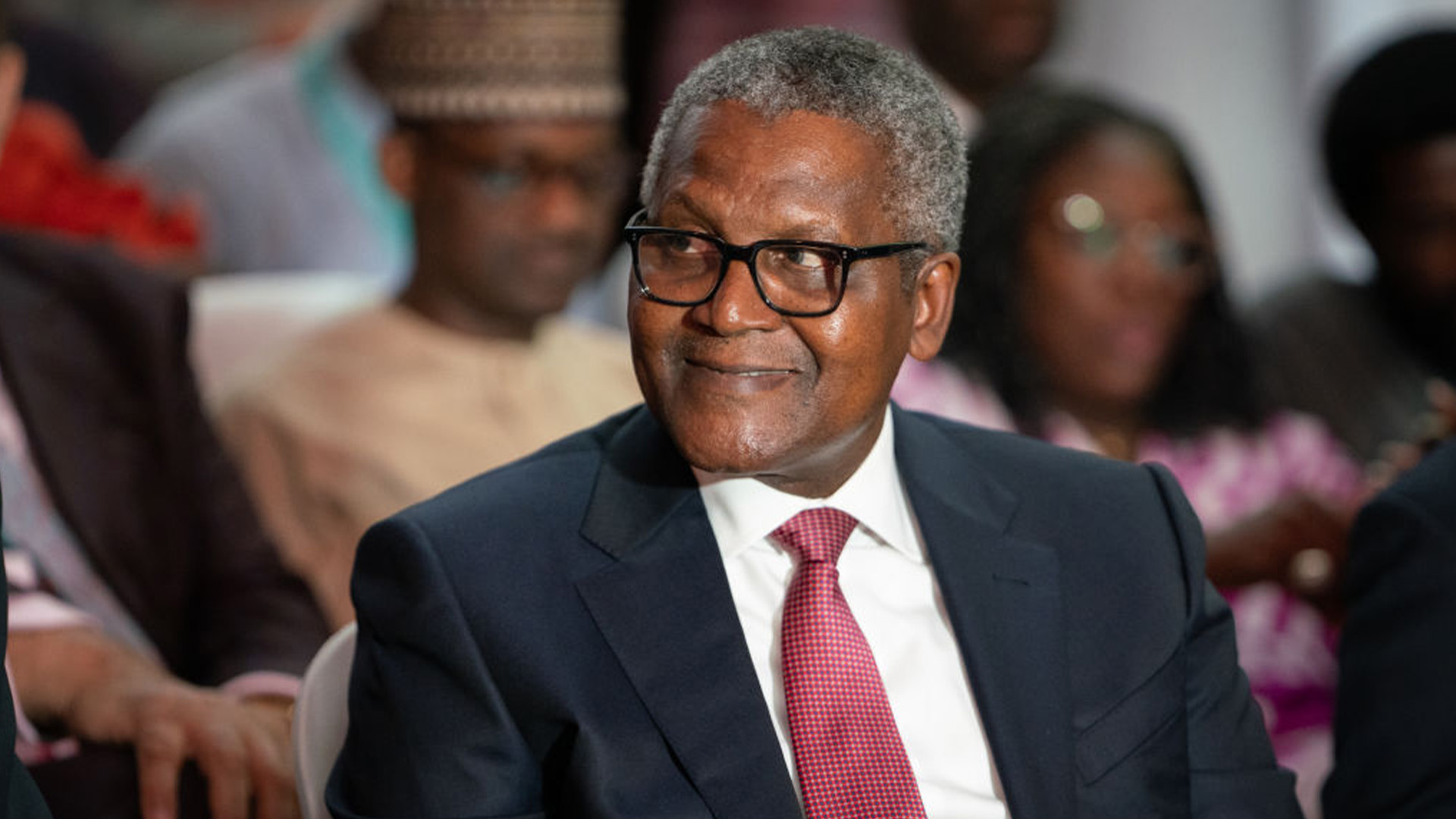
Africa’s richest man, Aliko Dangote, has pledged to spearhead the construction of a mega oil refinery in East Africa within the next four to five years. A historic commitment that could end the region’s total dependence on imported refined petroleum and unlock one of the most consequential industrial transformations the continent has ever seen.
Speaking at a high-level infrastructure financing conference in Nairobi on April 23, Dangote delivered one of the summit’s most anticipated declarations. Telling assembled heads of state, financiers, and investors that he was ready to replicate and significantly scale, his landmark Lagos refinery model across East Africa. “My commitment today here is that if we agree with the three or four governments here about the refinery, we will lead and we’ll make sure that refinery is built within the next four or five years,” Dangote stated from the stage.
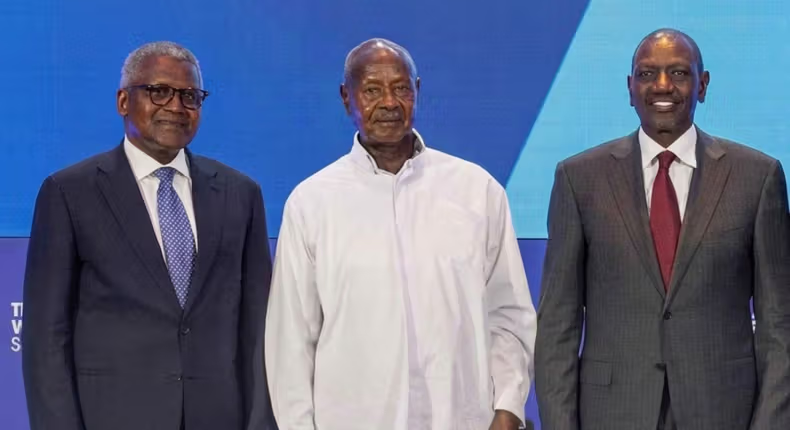
The announcement arrived in lockstep with a parallel declaration from Kenyan President William Ruto, who confirmed that East African countries are already in active discussions to establish a joint oil refinery at Tanzania’s port of Tanga. The facility, modelled on Dangote’s Nigerian plant, would be designed to process crude oil drawn from across the region. Especially, including reserves from the Democratic Republic of the Congo, Kenya, South Sudan, and Uganda. “We’re going to have a joint refinery in Tanga to benefit all of us,” President Ruto told the conference, describing it as a shared regional asset rather than a single-nation project
A Region That Imports Everything and the Man Who Intends to Change That
East Africa currently imports all of its refined petroleum products, sourcing the vast majority from the Middle East. Hence, a structural vulnerability that has left the region repeatedly exposed to price shocks and supply disruptions. The urgency of that dependency was sharply illustrated during recent geopolitical tensions, including disruptions linked to the Iran conflict, which sent fuel costs surging across landlocked East African markets that have few alternatives and virtually no buffer.
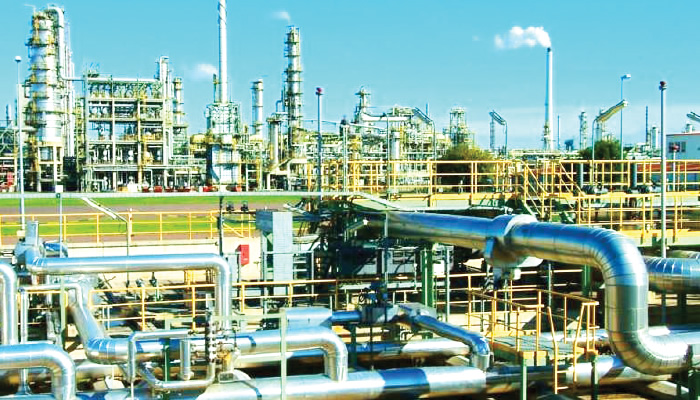
Dangote’s confidence in delivering on this pledge is grounded in hard-won precedent. His Lekki refinery in Lagos, currently operating at 650,000 barrels per day. Stands as the largest single-train petroleum refinery in the world and proof that Africa can finance, build, and operate energy infrastructure of global significance without depending on foreign principals to take the lead. The proposed East African facility, with a planned capacity of 1.4 million barrels per day, would be even larger. Potentially accounting for around 10 percent of total United States refining capacity and cementing its status as the world’s biggest refinery by throughput.
Domestic Leadership Over Foreign Dependency
Beyond the refinery pledge, Dangote used the Nairobi summit stage to deliver a blunt and passionate diagnosis of Africa’s economic underperformance. Speaking with characteristic directness, at one point apologising to the audience for a strained voice. Alhaji Aliko Dangote argued that the continent’s greatest self-inflicted wound has been its historical reliance on foreign investors to drive development.
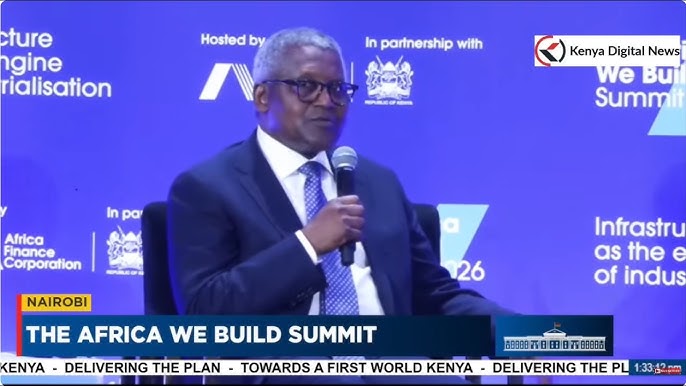
“A foreign investor will not come without the leadership of domestic investor,” he told delegates. “A domestic investor must take the risk and start developing your own continent, not for you to wait for foreign investors. Foreign investor will only come when things are looking rosy and good.”
He singled out Africa’s pension fund sector estimated at $550 billion, as a glaring missed opportunity. Pointing out that vast pools of domestic capital sit largely uninvested in continental infrastructure, while African governments continue appealing to external donors and multilateral lenders. The message aligned closely with remarks from both President Ruto and President Yoweri Museveni of Uganda, who have both championed stronger intra-African value chains and reduced dependency on commodity exports in their raw, unprocessed form.
Fertiliser, Listings, and a Continental Industrial Agenda
The refinery was far from the only headline emerging from Dangote’s Nairobi appearance. Aliko Alhaji Dangote also announced plans to establish approximately 20 fertiliser blending plants across Africa by 2028, a move designed to dramatically reduce the continent’s dependence on imported fertiliser and lower input costs for African smallholder farmers and agribusinesses alike. On the question of the eventual stock market listing of his Nigerian refinery, Dangote made his priorities clear: African investors should be first in line. “All of Africa should invest. I will be paying dividends in dollars,” he said. A statement that drew significant attention given the hard-currency earnings potential for institutional and retail investors across the continent.
Aliko Dangote in Profile
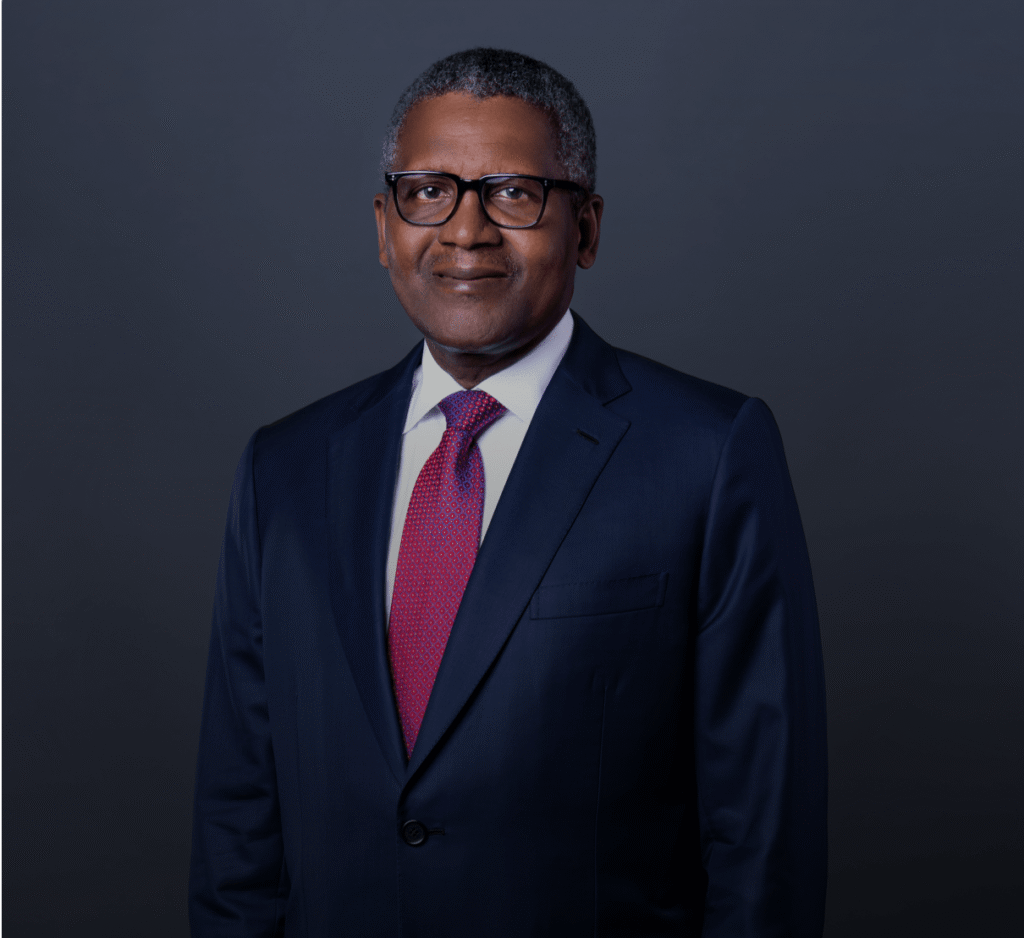
Aliko Dangote net worth in 2025 continues to place him as the wealthiest individual on the African continent. Especially with his fortune consistently estimated above $20 billion USD. Born on April 10, 1957, making Aliko Dangote 67 years old. He was raised in Kano, northern Nigeria, in a family with deep commercial roots.
He pursued university-level education before building the Dangote Group into a pan-African conglomerate spanning cement, sugar, flour, fertiliser, and now energy. His daughter Fatima Aliko Dangote has become a well-recognised figure in Nigerian social and business circles. While his establishment of the Aliko Dangote University of Science and Technology in Wudil, Kano State, accessible via the Aliko Dangote University portal. Thus, reflects his long-held belief that African industrialisation must be sustained by homegrown academic and technical talent.
Despite occasional institutional scrutiny, including engagements with Nigeria’s ICPC. Dangote’s industrial momentum has remained undeterred.
His Nairobi commitment adds East Africa to an ever-expanding map of continental ambition. If the Tanga refinery and its associated downstream industries are delivered on schedule, they would represent not only a triumph of African private enterprise, but a structural shift in how the continent produces, consumes, and benefits from its own natural wealth.
Aliko Dangote has pledged to spearhead the construction of a mega oil refinery in East Africa within the next four to five years. On current evidence, there are few better-placed individuals on the planet to make good on that promise.
About The Author