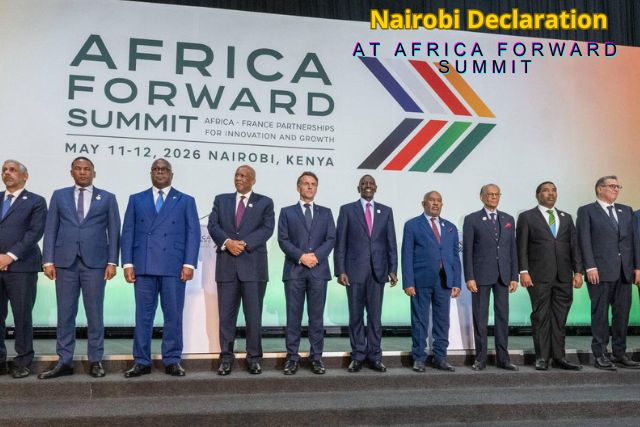
Nairobi Declaration at Africa Forward Summit
THE NAIROBI DECLARATION, A FRAMEWORK FOR SHARED GROWTH AND INNOVATION Africa Forward Summit 2026 · Nairobi, Kenya · 12 May 2026
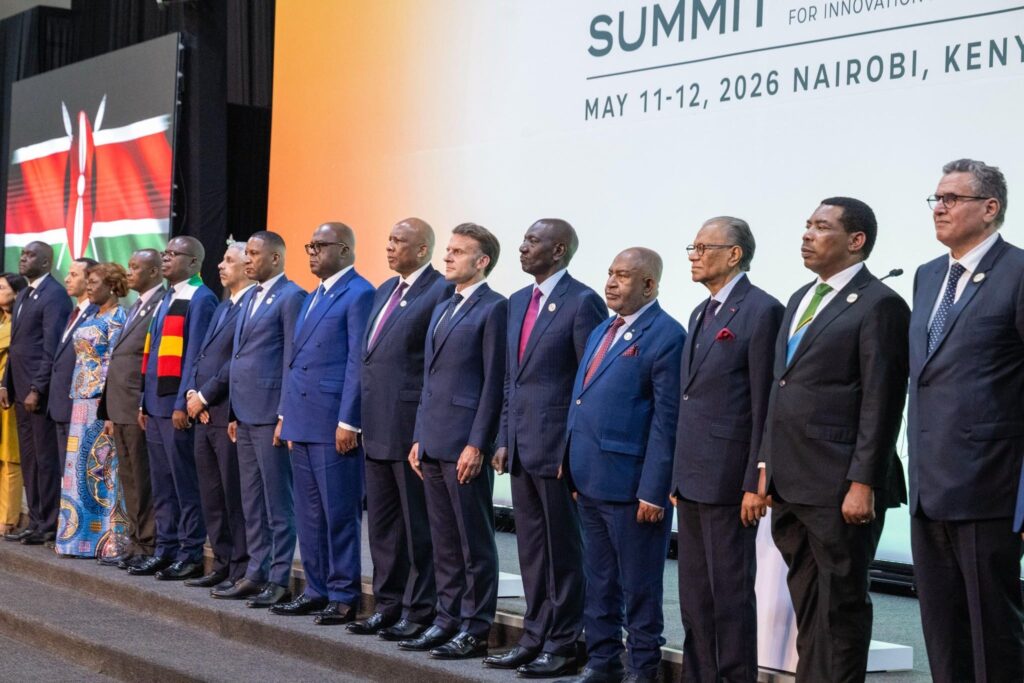
On 12 May 2026, history was written in Nairobi. African heads of state, government representatives, and the French Republic formally adopted the Nairobi Declaration at the Africa Forward Summit. A sweeping, eleven-pillar framework titled “Africa-France Partnership for Growth and Innovation.” Convened for the first time ever on English-speaking African soil, the Summit brought together more than 30 African leaders alongside business executives, international financial institutions, and civil society figures. All converging on Kenya’s capital to chart a bold new course for the continent.
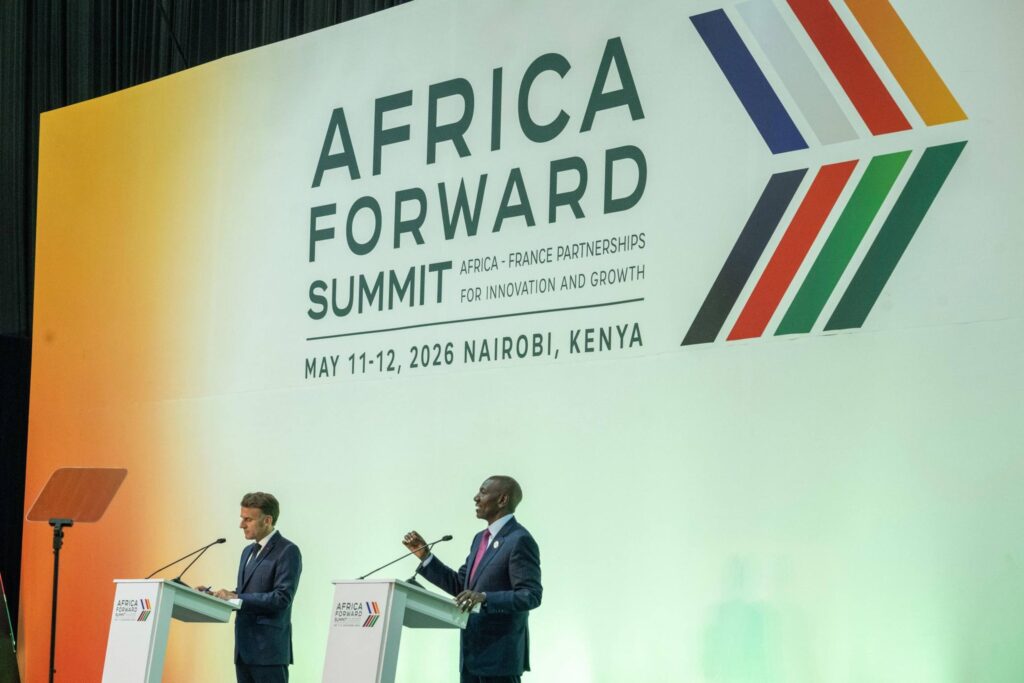
The declaration, adopted under the theme Africa Forward, is grounded in the principles of mutual respect, shared responsibility, and co-development. It does not treat Africa as a beneficiary of external generosity. It frames the continent as a co-architect of global economic leadership, innovation, and sustainable prosperity.
Eleven Pillars, One Vision
The Nairobi Declaration is structured around eleven thematic pillars, each representing a domain where African nations and France have committed to concrete, measurable cooperation. Far from diplomatic platitudes, the declaration sets out detailed commitments. Notably, from reforming global financial institutions to building African language AI models, from securing maritime corridors to unlocking concessional finance for the continent’s most vulnerable economies.
Read: The Nairobi Declaration PDF
The eleven pillars are: Peace, Security and Strategic Autonomy; Sustainable and Value-Added Agriculture; Resilient Health Systems; Green Industrialisation and Energy Transition; the Blue Economy; Digital Transformation and Artificial Intelligence; International Financial Architecture Reform; People, Skills and Innovation; Infrastructure, Trade and Regional Integration; Mobilising Resources for Transformation; and A Shared Vision for Transformation.
Peace and Security Africa’s Own Architecture
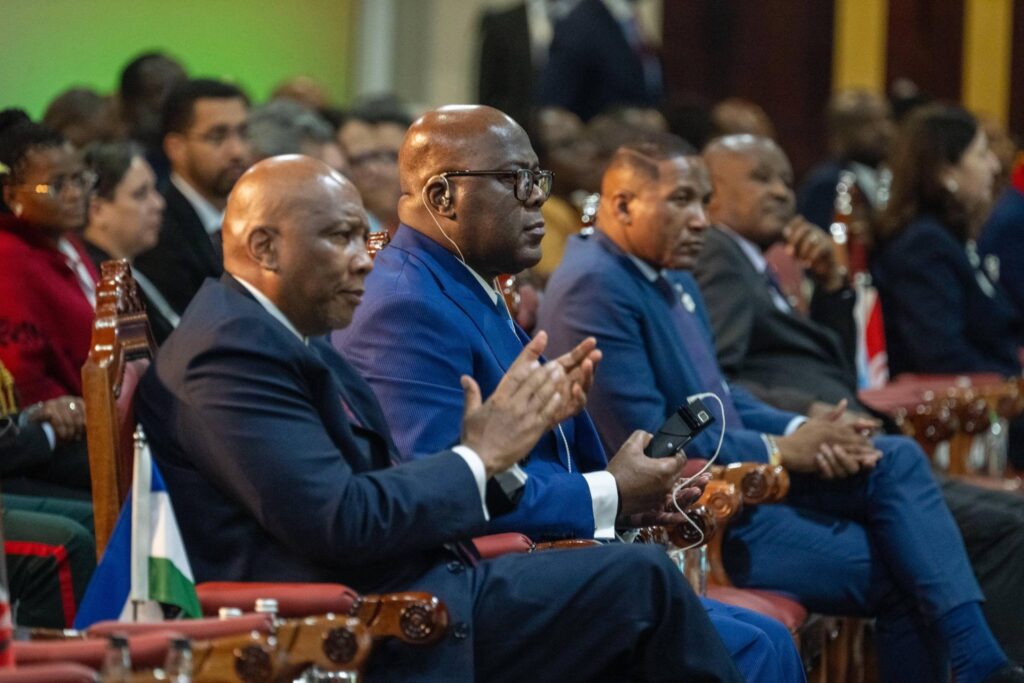
The declaration opens with a firm commitment to African-led peace and security solutions. The signatory nations have pledged to strengthen the African Union’s Peace and Security Architecture, support the full operationalisation of UN Security Council Resolution 2719, and build collective capacity to address terrorism, cyber threats, transnational crime, and illicit financial flows. The Co-Chairs’ Declaration from the Peace and Security session is equally unequivocal: it calls on permanent members of the Security Council to refrain from using the veto when mass atrocities are being committed, and demands a comprehensive reform of the Council to grant Africa equitable representation. Hence, in line with the Ezulwini Consensus and the Sirte Declaration.
Critically, the declaration rejects the privatisation of security by external operators whose interests diverge from those of African peoples. A pointed reference to the proliferation of foreign mercenary forces on the continent. African ownership of peace processes is non-negotiable under this framework.
Agriculture and Health Sovereignty on the Frontlines
Two of the declaration’s most consequential pillars address the immediate daily realities of African populations: food security and health. On agriculture, the parties commit to agro-industrialisation, value chain development, digital precision farming tools, and the empowerment of women, youth, and smallholders through finance and land tenure reform. The African Continental Free Trade Area (AfCFTA) is positioned as the primary vehicle for transforming raw commodity exports into a driver of industrialisation and economic sovereignty.
On health, the declaration advances a vision of health sovereignty. Building Africa’s own capacity to produce vaccines, medicines, diagnostics, and medical technologies through the frameworks championed by Africa CDC, the African Medicines Agency, and the AfCFTA. The African Pooled Procurement Mechanism is specifically endorsed as a strategic instrument to leverage collective purchasing power and expand affordable access to life-saving health products across the continent.
Green Industrialisation, Energy as a Development Right
Reliable, affordable, and sustainable energy is described in the Nairobi Declaration as essential, not aspirational. The parties commit to promoting green industrialisation through renewable energy, green hydrogen, hydropower, geothermal, and nuclear power. Africa’s critical minerals long extracted with minimal local benefits, are explicitly recognised as a sovereign asset, with commitments to respect national control over natural resources and promote local beneficiation, value addition, and sustainable processing.
The declaration aligns with the Africa Green Industrialisation Initiative (AGII) and Accelerated Partnerships for Renewables in Africa (APRA), and calls for a just energy transition that reflects Africa’s differentiated responsibilities under the Paris Agreement.
The Blue Economy, the Oceans as Strategic Frontier
In a declaration notable for its breadth, the Blue Economy pillar stands out for its strategic depth. The ocean is framed as critical for food security, biodiversity, trade corridors, maritime energy transition, and climate stability. The parties commit to non-militarised joint action against piracy, illegal fishing, and trafficking; to the timely adoption of the IMO Net Zero Framework; and to investment in low-carbon maritime solutions and blue carbon ecosystem conservation. African maritime sovereignty and national ownership of maritime data and infrastructure are expressly affirmed.
Digital Transformation and AI as Africa’s Third Path
Perhaps the most forward-looking pillar in the Nairobi Declaration concerns digital transformation and artificial intelligence. Nairobi, already one of Africa’s premier technology hubs. Proved a fitting backdrop for commitments that explicitly invoke what the declaration calls “a third path for Africa”: one grounded in strategic autonomy, reduced dependence on concentrated technological power, and transparent, rights-respecting technologies.

The parties commit to developing African language models, local datasets, and open-weight AI systems, while mobilising investment in regional data centres, broadband connectivity, and clean energy for digital infrastructure. The declaration draws on the AU Continental AI Strategy, the UN Global Digital Compact, and the Paris AI Action Summit of 2025. It also addresses the protection of African creative intellectual property in the digital economy. A recognition that innovation and culture are inseparable.
Financial Architecture Reform Africa’s Voice in Global Governance
The declaration is direct in its challenge to an international financial architecture it describes as inadequate for contemporary realities. The parties commit to realigning IMF quota shares in favour of underrepresented countries, securing Africa’s enhanced representation on the IMF Executive Board. Notably, including the 25th Chair created in November 2024 for Sub-Saharan Africa, and strengthening implementation of the Common Framework between the G20 and Paris Club for debt restructuring.
A separate joint statement from the Summit’s lunch session, signed alongside representatives of the IMF, World Bank Group, African Development Bank, the EBRD, and the European Investment Bank, calls on major economies to recognise their shared responsibility in reducing global macroeconomic imbalances. It specifically identifies structural overcapacities and distortive non-market policies as forces that depress African commodity prices, undermine nascent industries, and discourage foreign direct investment. Thus, calls on France to convey these concerns to the G7 Summit in Évian in June 2026.
A Historic Host, a Historic Moment
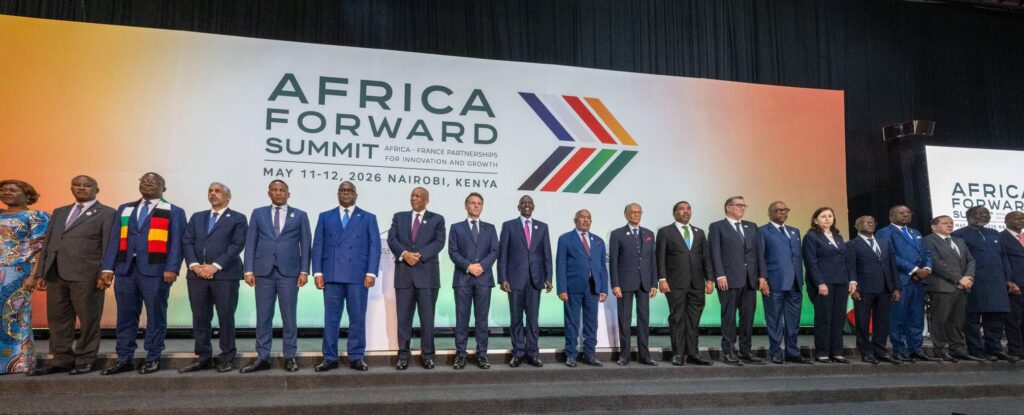
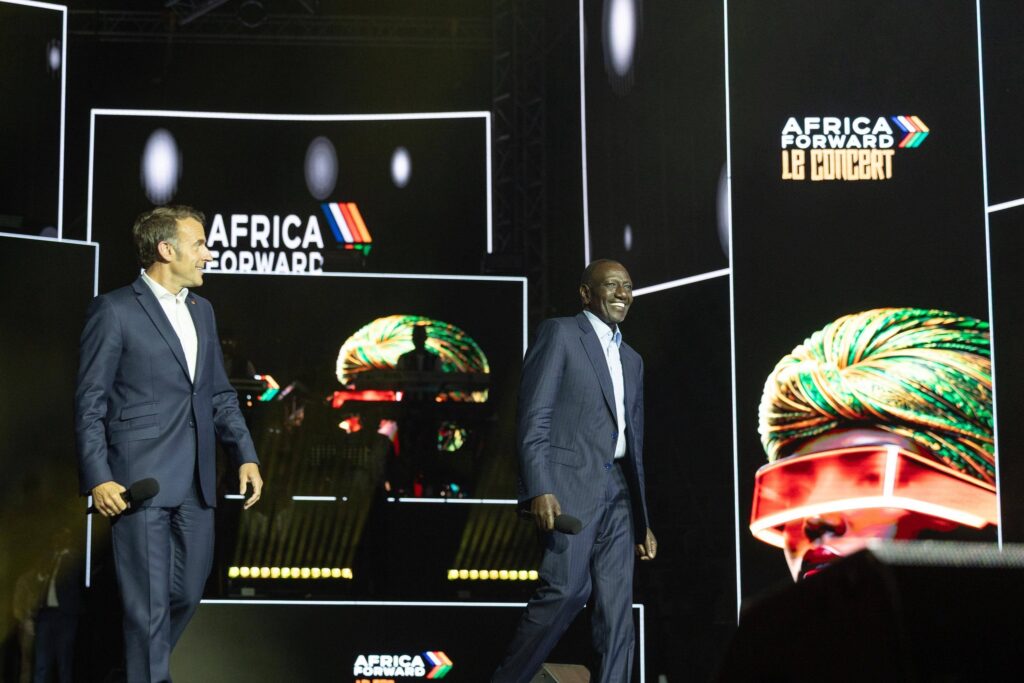
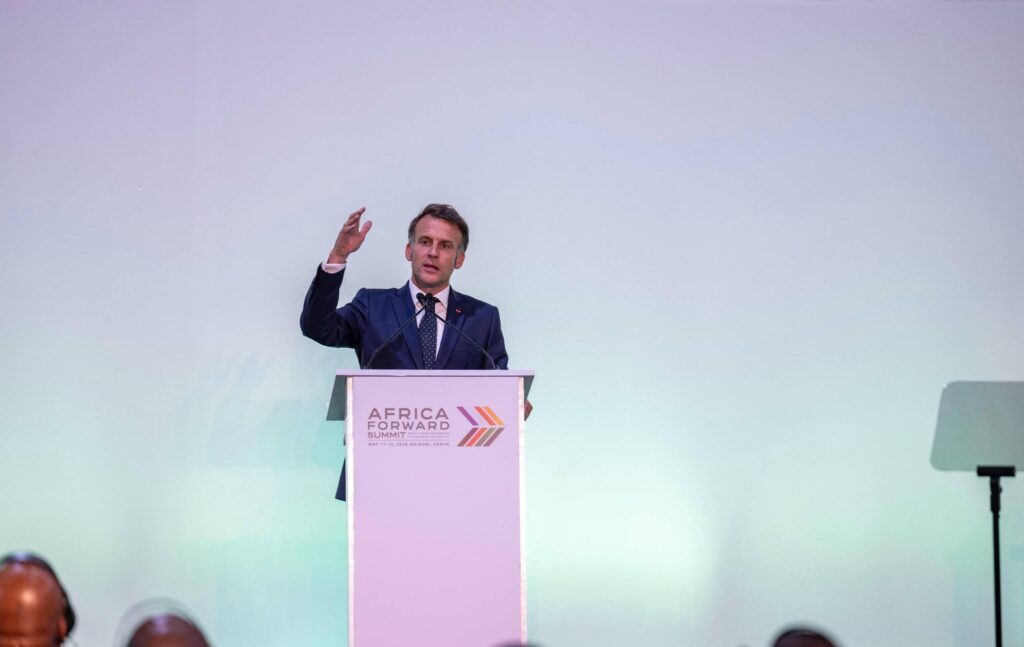
Kenya’s role as host carries its own significance. This is the first Africa-France Summit to be held in a country that was never colonised by France. A deliberate signal of the partnership’s evolution toward genuine equality. President William Ruto was lauded for his stewardship of the event, with French President Emmanuel Macron describing the Summit as “the beginning of a new era.”
Botswana’s President Duma Boko, speaking exclusively to BBC Africa on the margins of the Summit, captured the mood succinctly: the gathering is an opportunity to push for freer movement of people and goods across the continent, and to position African nations strategically in their relations with global powers.
https://web.facebook.com/share/v/1BRvVLgZgn
Boko also delivered a message to Africa’s young people: they are not merely the leaders of tomorrow. They are the problem-solvers of today, called to the frontlines of their nations’ transformation. The numbers bear out the urgency: Africa must absorb more than 10 million young people entering the workforce every year, a demographic tide that, if well-directed, represents the continent’s most valuable asset.
A Roadmap, Not a Resolution
What distinguishes the Nairobi Declaration from previous Africa-France summits is its operational specificity. This is not a statement of intent, it is a structured roadmap, with explicit calls on ministers and competent authorities to identify, prioritise, and advance concrete cooperation under each pillar. The declaration calls upon governments, the private sector, development partners, and civil society to act in concert.
The summit’s emphasis on mutual benefit, shared value creation, and co-investment, rather than traditional aid-based paradigms. Hence, marks a genuine shift in how Africa’s partnerships with external powers are framed and pursued. From advancing the New African Financial Architecture for Development championed by the African Development Bank Group, to unlocking up to $6.4 billion in annual guarantee issuance for African projects by 2030. Thus, the mechanisms are being built, not merely promised.
The Nairobi Declaration affirms, in eleven pillars and thousands of words, a truth that Africa’s leaders have long held: the continent is not a problem to be solved by others. It is a partner, in production, in innovation, in shaping the rules of a global system that has too often been built without it. That partnership, on terms of mutual respect and sovereign equality, begins now.
Adopted in Nairobi, Republic of Kenya · 12 May 2026