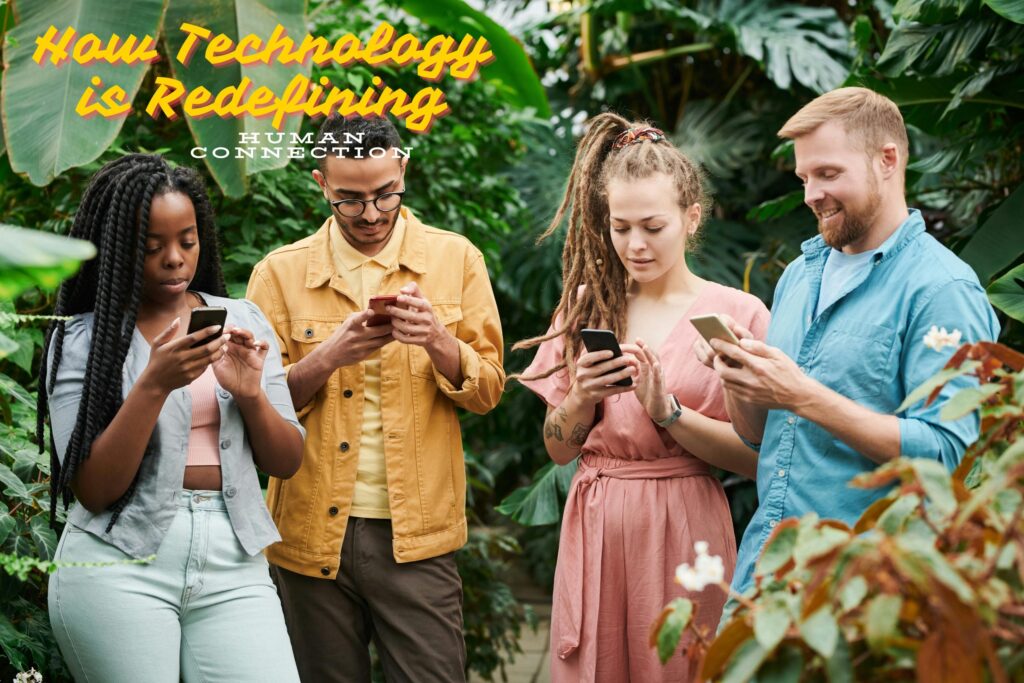
Technology redefining Human Connection
Technology has transformed how people communicate, interact, and maintain relationships. Digital tools now shape friendships, families, workplaces, and communities. Human connection has become faster, broader, and more complex.
Connection once depended on physical presence and shared environments. Today, technology allows instant communication across continents. This shift has redefined how intimacy, trust, and belonging are formed.
Communication in the Digital Age
Technology has expanded communication beyond face-to-face interaction. Messaging apps, video calls, and emails enable constant contact. Distance is no longer a barrier to maintaining relationships.
Digital communication also changes how messages are expressed and interpreted. Tone can be misunderstood without physical cues. Emojis and voice notes help compensate for missing emotional signals.
Social Media and Relationship Building
Social media platforms connect people through shared interests and experiences. Users build networks that extend beyond geography. Relationships can begin and grow entirely online.
However, social media can encourage surface-level interactions. Frequent updates may replace deeper conversations. Maintaining meaningful relationships still requires intentional effort.
Technology and Family Connections
Technology helps families stay connected despite physical separation. Video calls allow shared moments across different locations. Migrant families especially benefit from constant digital contact.
At the same time, technology can reduce in-person interaction at home. Family members may focus on screens instead of conversations. Balance remains essential for strong family bonds.
Friendship in a Connected World
Friendships now form through gaming platforms, forums, and online communities. Shared digital spaces create strong emotional connections. Many friendships thrive without ever meeting physically.
Online friendships may lack traditional social cues. Misunderstandings can occur more easily. Trust develops differently but can still be deep and meaningful.
Romantic Relationships and Technology
Technology has reshaped how people find romantic partners. Dating apps use algorithms to match individuals efficiently. This has expanded dating opportunities worldwide.
Digital communication supports long-distance relationships. However, constant availability may increase pressure. Healthy boundaries are necessary for emotional balance.
Work, Technology, and Human Interaction
Remote work technology has changed workplace relationships. Teams collaborate across time zones using digital tools. Work connections are now more flexible and global.
However, reduced physical interaction can weaken social bonds. Informal conversations are harder to replicate online. Companies now prioritize virtual team-building efforts.
Community Building Through Technology
Technology enables communities to form around shared values and causes. Online platforms support activism, education, and collaboration. People unite despite physical distance.
Digital communities can offer strong emotional support. However, they may lack accountability. Healthy communities require respectful engagement and moderation.
Technology, Empathy, and Emotional Expression
Digital tools influence how empathy is expressed. Text-based communication can limit emotional nuance. Video and voice technologies help restore emotional depth.
Technology also increases exposure to global experiences. People witness diverse perspectives instantly. This can expand empathy and cultural understanding.
The Role of Artificial Intelligence in Connection
Artificial intelligence supports human interaction through recommendations and automation. Chatbots assist communication and customer service. AI personalizes digital experiences.
However, reliance on AI raises concerns about authenticity. Human judgment and empathy remain irreplaceable. Technology should support, not replace, human connection.
Technology and Loneliness
Despite increased connectivity, loneliness remains a global concern. Digital interaction does not always satisfy emotional needs. Quality matters more than quantity of connections.
Excessive screen time can reduce meaningful engagement. Offline relationships remain vital. Intentional connection helps prevent digital isolation.
Privacy, Trust, and Digital Relationships
Digital relationships depend on trust and privacy. Data sharing affects how people interact online. Security concerns influence openness and vulnerability.
Trust grows when platforms protect user information. Transparent policies encourage authentic interaction. Users must remain cautious and informed.
Cultural Differences in Digital Connection
Technology influences cultures differently across regions. Some societies embrace digital communication rapidly. Others value traditional interaction more strongly.
Cultural norms shape online behavior and expectations. Understanding these differences improves global communication. Technology amplifies cultural diversity rather than erasing it.
Balancing Technology and Human Presence
Healthy connection requires balancing digital and physical interaction. Technology enhances connection but cannot replace presence. Mindful use supports emotional well-being.
Setting boundaries improves relationship quality. Shared offline experiences strengthen bonds. Technology works best as a supportive tool.
The Future of Human Connection
Emerging technologies will further redefine connection. Virtual reality and augmented reality promise immersive interaction. Human presence may become more digitally represented.
Ethical design will shape future experiences. Technology must prioritize human values. Connection should remain meaningful and inclusive.
Final Thoughts
Technology is redefining human connection in profound ways. It offers opportunities and challenges simultaneously. Awareness helps individuals navigate digital relationships wisely.
Human connection thrives when technology supports, not replaces, presence. Thoughtful use strengthens relationships. The future of connection depends on human choice.