Remove Holi Colour from Face
Learn how to remove holi colour from face step by step using safe home remedies, natural oils, and gentle skincare methods
The vibrant festival of Holi is one of the most joyful celebrations in India and many parts of the world. Known as the festival of colours, Holi brings friends and families together to celebrate with bright powders, water balloons, and festive gatherings. However, once the celebrations end, many people struggle with the challenge of how to remove holi colour from face safely without damaging the skin.
Some Holi powders are natural, but others may contain strong pigments that can stain the skin, hair, and nails. This is why many people search for reliable ways to remove holi permanent colour from face, remove pakka holi colour from face, and clean colour stains after the celebrations.
This guide explains how to remove holi colour from face step by step, using safe skincare techniques and effective home remedies that help restore your skin’s natural glow.
Why Holi Colours Stick to the Skin
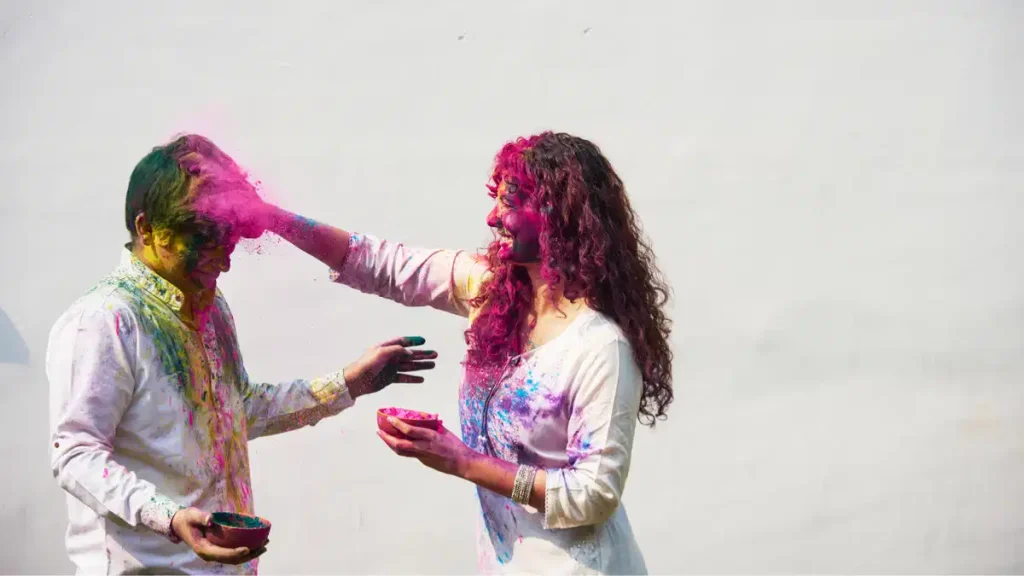
Before learning how to remove holi colour from face, it helps to understand why these colours are difficult to wash off.
Holi colours, also known as gulal, are often made with fine powders and synthetic dyes. When mixed with water, oil, or sweat during celebrations, these pigments settle into the pores and the outer layer of the skin.
In many cases, the stubborn stains people refer to as pakka holi colour come from stronger pigments used in commercial colours. These dyes can cling to the skin surface, hair strands, and even nails, making them difficult to remove with plain water.
Because of this, it is important to remove colour gently rather than scrubbing aggressively, which may irritate the skin.
Step by Step Remove Holi Colour from Face
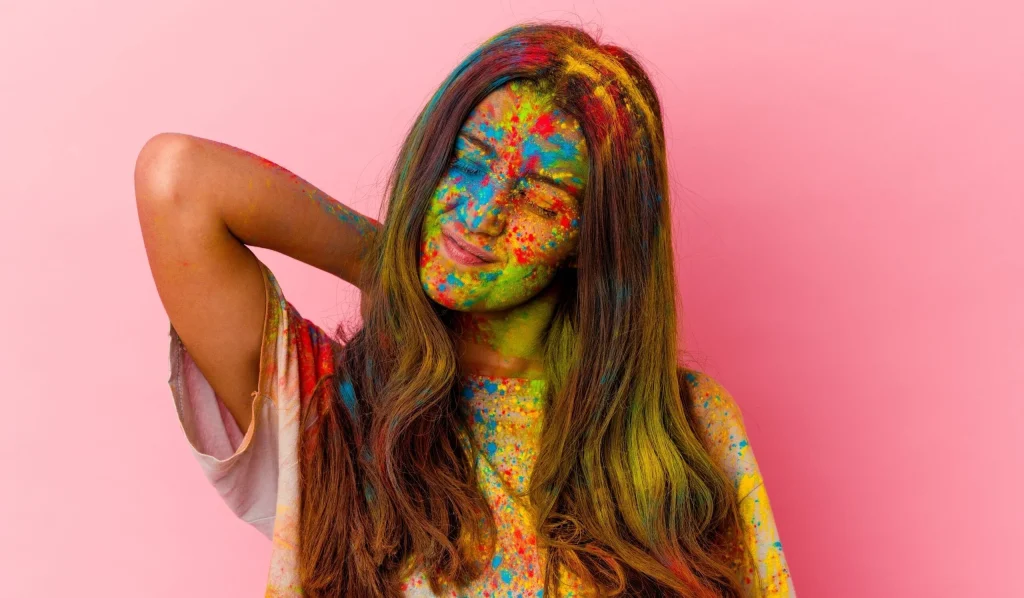
Step 1: Start With Gentle Oil Massage
The first step in how to remove colour from face after holi is to loosen the pigments using natural oils.
Oil helps dissolve colour particles that have mixed with sweat and skin oils during Holi celebrations. Applying oil before washing prevents harsh rubbing and protects the skin from irritation.
You can use common oils such as:
- Coconut oil
- Almond oil
- Olive oil
Massage the oil gently over the face using circular motions. Let it sit on the skin for about 10 to 15 minutes. This helps soften the colour stains and prepares the skin for washing.
Oil massage is especially effective when trying to remove permanent holi colour from face or stubborn pigment around the nose, cheeks, and hairline.
Step 2: Wash With a Mild Cleanser
Once the colour has loosened, the next step in remove holi colour from face quickly is cleansing the skin.
Use a mild face wash or gentle soap that suits your skin type. Avoid strong exfoliating scrubs during the first wash because they may push colour deeper into the pores.
Rinse your face with lukewarm water and gently massage the cleanser across the skin. This removes most of the loose colour particles without causing irritation.
After washing, pat your face dry using a soft towel rather than rubbing the skin.
Step 3: Use Natural Home Remedies
Many people prefer how to remove holi colour from face home remedies because natural ingredients can help remove stains while nourishing the skin.
One popular remedy is a mixture of yogurt and gram flour (besan). Yogurt moisturizes the skin while gram flour works as a mild exfoliant that lifts colour from the surface.
To use this remedy:
- Mix two tablespoons of gram flour with one tablespoon of yogurt.
- Apply the paste evenly across the face.
- Leave it on for 10–15 minutes.
- Rinse gently with lukewarm water.
Another effective remedy is a paste made from milk and turmeric. Milk helps cleanse the skin while turmeric supports natural skin healing.
These remedies are helpful when dealing with hard holi colour from face that does not come off with basic washing.
Step 4: Gently Exfoliate the Skin
If colour stains remain after washing and home remedies, gentle exfoliation can help remove the remaining pigments.
Exfoliation removes dead skin cells where colour particles may be trapped. However, it is important to exfoliate lightly to avoid irritation.
You can prepare a natural exfoliating scrub using sugar and honey. Honey moisturizes the skin while sugar provides mild exfoliation.
Massage the mixture gently across the face for one to two minutes before rinsing with lukewarm water. This method is often effective for removing pakka colour from face that has settled into the skin.
Avoid scrubbing too hard, especially if the skin already feels sensitive after Holi celebrations.
Step 5: Apply a Hydrating Face Mask
After removing most of the colour, the skin may feel dry or irritated. Applying a soothing face mask helps restore hydration and calm the skin.
A simple aloe vera mask works well because aloe vera has natural cooling and moisturizing properties.
Apply fresh aloe vera gel across the face and leave it for about 20 minutes before rinsing. This helps reduce redness and restore skin softness after colour removal.
This step is particularly important for people with sensitive skin who may experience dryness while trying to remove holi permanent colour from face.
Step 6: Moisturize and Protect the Skin
The final step in removing holi colour from face at home is restoring moisture and protecting the skin barrier.
After washing and treating the skin, apply a gentle moisturizer or hydrating cream. Moisturizers help repair the skin barrier and prevent dryness caused by repeated washing.
If you plan to go outdoors after Holi, apply sunscreen to protect your skin from sun exposure. Freshly cleansed skin can be more sensitive to sunlight.
Maintaining hydration also helps the skin naturally shed remaining colour pigments over the next few days.
How to Remove Holi Colour from Hair and Body
While many people focus on removing colour from the face, Holi colours can also stick to the hair, hands, and nails.
To remove holi colour from hair, apply coconut oil before shampooing. Oil loosens the colour pigments and prevents dryness. Use a mild shampoo and avoid harsh chemical treatments immediately after Holi.
For removing holi colour from hands and body, soak the skin in lukewarm water and gently scrub with a mixture of sugar and lemon juice. Follow this with a moisturizing lotion to prevent dryness.
For holi colour from nails, use a cotton pad dipped in lemon juice or mild nail cleanser to remove stains from the nail surface.
Tips to Prevent Stubborn Holi Colour Stains
Although many people focus on removing holi colour from face, prevention is always easier than treatment.
Applying oil or moisturizer before playing Holi creates a protective barrier that prevents colours from sticking deeply into the skin.
Wearing sunglasses and covering hair with oil can also protect sensitive areas like the scalp and eyes.
Using natural or organic Holi colours is another effective way to reduce the risk of stubborn stains.

Conclusion
Understanding how to remove holi colour from face step by step can make post-celebration cleanup much easier and safer for the skin. The key is to avoid harsh scrubbing and instead rely on gentle cleansing, natural oils, and simple home remedies.
By starting with an oil massage, washing with a mild cleanser, using natural exfoliation, and restoring hydration, it becomes easier to remove even stubborn pakka holi colour from face without harming the skin.
With proper care and patience, your skin can quickly return to its natural glow after the colorful celebrations of Holi.