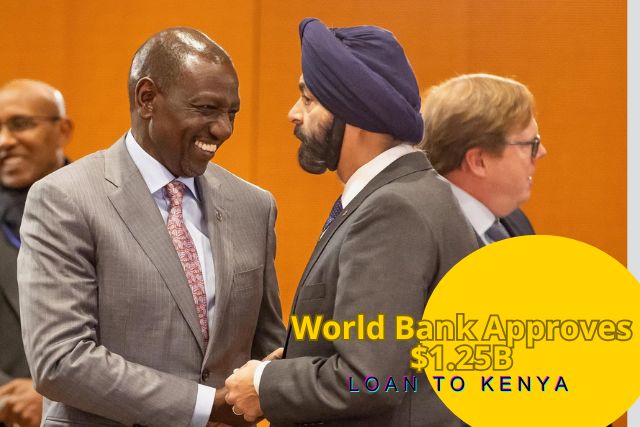
World Bank Approves $1.25B Loan to Kenya
World Bank Approves $1.25 Billion Loan to Kenya, Ties Funding to Governance and Anti-Corruption Reforms that most Kenyans find skeptical.
The World Bank has approved a fresh financing package worth Ksh.161.8 billion (USD 1.25 billion) for Kenya, marking one of the most significant multilateral funding decisions for the country in recent years.
The latest round of World Bank loans to Kenya is structured to ease fiscal pressure, strengthen public financial management, and push forward reforms targeting corruption, governance, and environmental sustainability.
Breaking Down the Financing Package
The approved package is split across three distinct facilities, each with its own purpose and lender within the World Bank Group.
The largest single component is a $410 million concessional facility from the International Development Association (IDA), the World Bank’s arm that lends to lower-income economies on favourable terms.
This tranche includes targeted support for refugees and host communities, reflecting Kenya’s role in hosting displaced populations from the wider East African region.
A further $340 million comes from the International Bank for Reconstruction and Development (IBRD), aimed squarely at budget support and helping the Kenyan government manage fiscal strain amid rising debt-servicing obligations.
The third and most closely watched component is a $500 million Sustainability Linked Loan (SLL). Unlike conventional budget support, this facility is tied directly to measurable green and governance targets, including efforts to curb deforestation.
Disbursement of funds under this loan depends on Kenya meeting agreed milestones, a structure the World Bank has increasingly favoured to ensure accountability in how borrowed funds are used.
The Corruption and Governance Angle
A central feature of this approval is its explicit link to anti-corruption and governance reform. The World Bank has framed the package as a tool to strengthen public financial management systems, improve transparency in how public funds are tracked, and reinforce institutional safeguards against misuse of state resources.
This positions the loan not merely as budget relief but as a conditional instrument designed to push Kenya toward stronger fiscal discipline and cleaner public administration. However, most Kenyans are skeptical of this claiming it a double edged sword.
For a country that has faced repeated public scrutiny over procurement scandals and weak expenditure oversight. Tying financing to governance benchmarks signals that future World Bank loans to Kenya will likely continue carrying similar conditions.
What This Means for Kenya’s Broader Debt Picture
According to the World Bank Group’s own financial disclosures, Kenya’s outstanding loan exposure to the institution already runs into the billions of dollars, placing it among the larger borrowers on the continent.
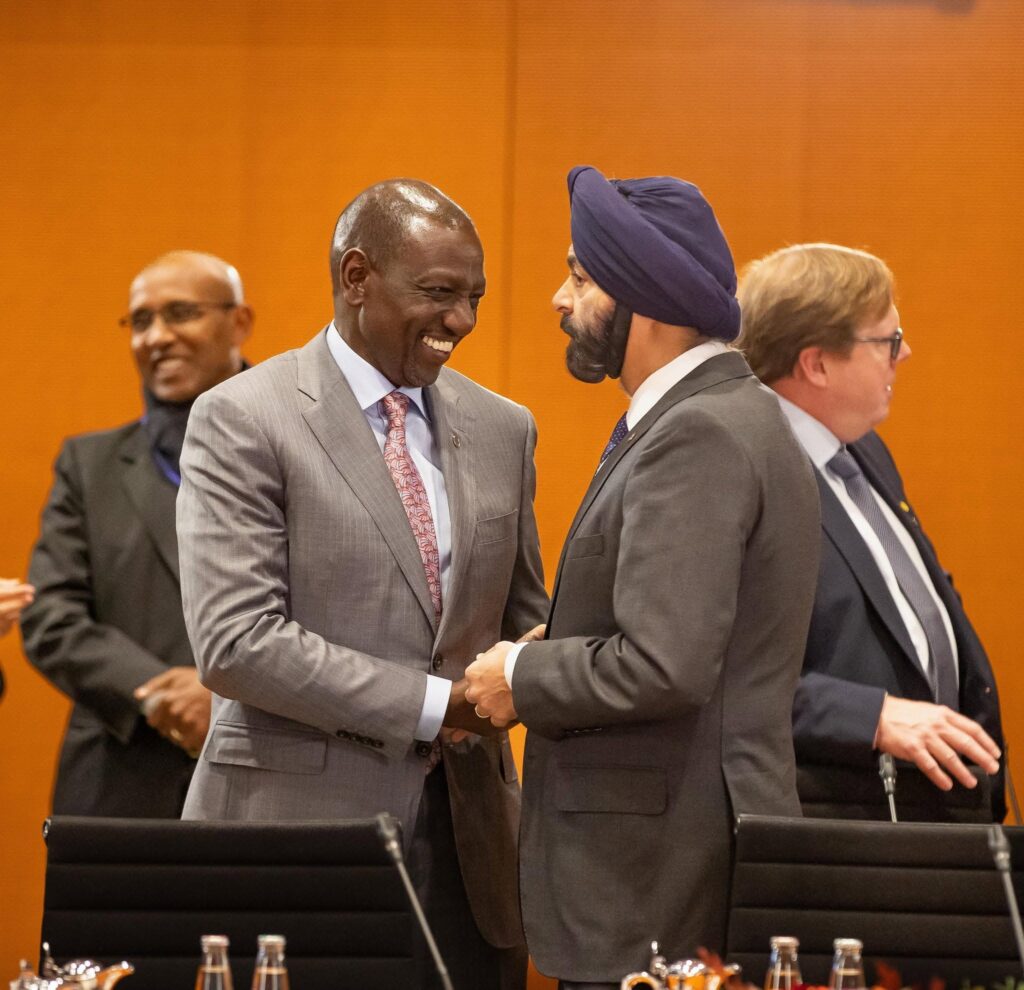
The institution has indicated it envisions financing Kenya up to $12 billion over a multi-year strategic period, suggesting this latest approval is one instalment in a longer-term lending relationship rather than a standalone transaction.
Clearing Up Common Misconceptions
Search interest around this story has surfaced a number of related but distinct questions worth addressing directly.
World Bank loans to Kenya, including this one, are sovereign loans extended to the national government, not personal loans available to individual Kenyans.
There is currently no World Bank loan application form for individuals, no online portal where citizens can apply for a World Bank loan for individuals, and no mechanism linking World Bank financing directly to Mpesa accounts.
Claims suggesting international loans to Mpesa or instant personal lending tied to the World Bank are not accurate and should be treated with caution.
Kenyans seeking personal credit should instead look to licensed banks, savings and credit cooperatives (SACCOs), or regulated digital lending platforms, all of which operate under Central Bank of Kenya oversight and updated KYC procedures rather than World Bank channels.
Looking Ahead
With the latest tranche approved, attention now turns to implementation. Analysts will be watching how quickly Kenya’s National Treasury disburses and reports on the funds.
Whether the governance milestones tied to the Sustainability Linked Loan are met on schedule.
Given the World Bank’s stated multi-year financing outlook for Kenya, this approval is unlikely to be the last major lending decision shaping the country’s fiscal trajectory in the period ahead.