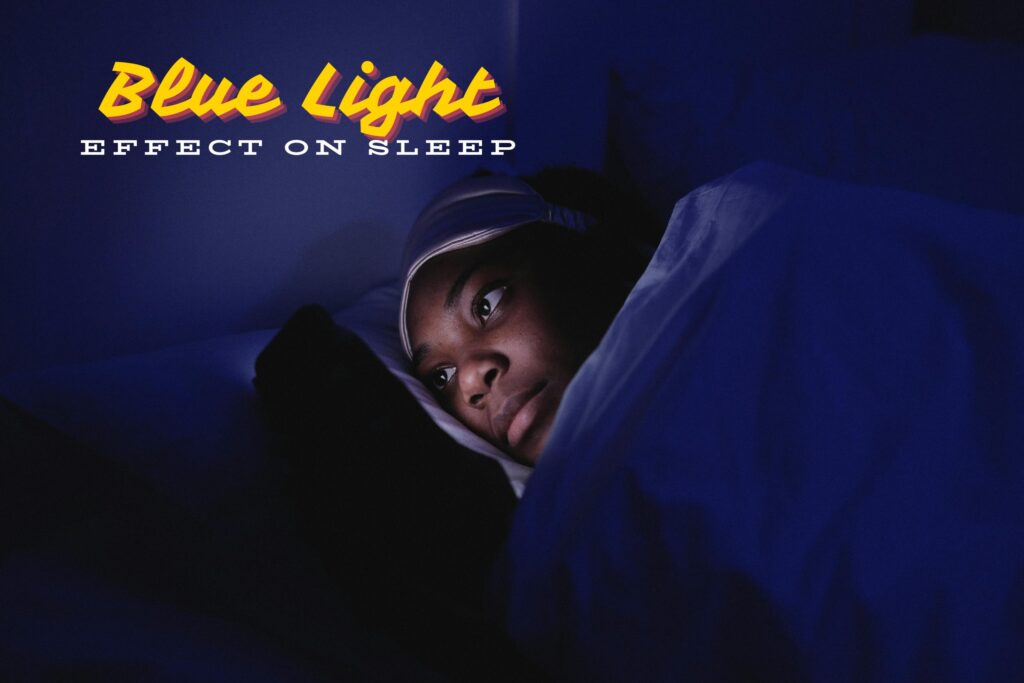
Blue light effect on sleep
Sleep quality has become a growing concern in modern society. Many people struggle to fall asleep or stay asleep consistently. One major contributor to poor sleep quality is increased exposure to blue light. Blue light comes from digital screens and artificial lighting.
In 2025, screen use has increased due to remote work, online learning, and digital entertainment. Phones, laptops, tablets, and televisions emit significant blue light. Understanding how blue light affects sleep can help people make better lifestyle choices. Improving sleep quality supports physical health, mental clarity, and emotional balance.
What Is Blue Light?
Blue light is a short-wavelength, high-energy visible light. It is naturally present in sunlight and plays a role in regulating alertness. During daytime, blue light exposure helps maintain focus and supports normal circadian rhythms. Problems arise when exposure continues late into the evening.
Artificial sources of blue light include LED bulbs, smartphones, computer monitors, and televisions. These sources often emit stronger blue light than traditional lighting. Prolonged exposure, especially at night, interferes with natural sleep processes.
How Sleep Is Regulated in the Body
Sleep is controlled by the circadian rhythm, which follows a roughly 24-hour cycle. This internal clock responds to light and darkness. The brain releases melatonin when darkness falls, signaling the body to prepare for sleep. Melatonin helps regulate sleep onset and quality.
Light exposure suppresses melatonin production. Blue light suppresses melatonin more strongly than other light wavelengths. This suppression delays sleep and reduces overall sleep quality.
Blue Light and Melatonin Suppression
Research shows blue light exposure significantly reduces nighttime melatonin levels. Reduced melatonin makes falling asleep more difficult. People exposed to screens before bed often experience delayed sleep onset. They may also experience lighter and more fragmented sleep.
Lower melatonin levels shorten total sleep duration. Sleep cycles become disrupted, affecting deep and REM sleep stages. These stages are essential for memory consolidation and physical recovery.
Impact on Circadian Rhythm
Evening blue light exposure shifts the circadian rhythm later. The brain interprets screen light as daytime signals. This shift makes people feel alert when they should feel sleepy. Over time, the sleep-wake cycle becomes misaligned.
Circadian disruption can lead to chronic sleep deprivation. It may also increase the risk of long-term health problems. Consistent disruption affects mood, energy levels, and cognitive performance.
Blue Light and Sleep Quality
Sleep quality refers to how restful and restorative sleep feels. This light exposure reduces sleep depth and continuity. People may wake frequently during the night or wake feeling unrefreshed.
Reduced deep sleep impacts physical repair and immune function. Reduced REM sleep affects learning and emotional regulation. Over time, poor sleep quality contributes to fatigue and reduced productivity.
Health Effects of Poor Sleep
Chronic sleep disruption affects both physical and mental health. Poor sleep increases stress hormone levels.
It weakens immune response and raises inflammation markers.
Long-term sleep deprivation is linked to weight gain and metabolic imbalance. It also increases the risk of cardiovascular disease. Mental health is affected, including higher risks of anxiety and depression.
Children and Blue Light Exposure
Children and teenagers are especially sensitive to this light. Their eyes absorb more blue light than adults.
Evening screen use significantly delays sleep in young people.
Poor sleep affects academic performance, behavior, and emotional regulation. It may also affect long-term development. Limiting screen exposure is especially important for children before bedtime.
Blue Light Sources in Daily Life
Smartphones are the most common source of evening blue light exposure. Many people use phones before sleep. Televisions and laptops also contribute to prolonged exposure.
LED household lighting can emit this light, especially cool white bulbs. Bright indoor lighting at night affects sleep readiness. Awareness of these sources helps reduce unnecessary exposure.
Do Blue Light Glasses Work?
Blue light blocking glasses filter certain wavelengths from screens. Some studies show modest benefits for sleep onset. Results vary depending on usage and individual sensitivity.
Glasses are more effective when combined with reduced screen time. They should not replace healthy sleep habits. Using them earlier in the evening may provide better results.
Practical Ways to Reduce Blue Light Exposure
Limiting screen use one to two hours before bed improves sleep quality. This allows melatonin levels to rise naturally. Establishing a digital cutoff time supports consistent sleep patterns.
Enable night mode or blue light filters on devices. These features reduce blue light emission during evening hours. Dim screen brightness to minimize visual stimulation.
Use warm lighting in the evening instead of bright white lights. Lamps with amber tones support relaxation.
Avoid overhead lighting close to bedtime.
Building a Sleep-Friendly Evening Routine
Create a relaxing pre-sleep routine without screens. Reading printed books or journaling helps calm the mind. Gentle stretching or meditation promotes physical relaxation.
Maintain consistent sleep and wake times, even on weekends. Consistency strengthens circadian rhythm alignment. Keep the bedroom dark, cool, and quiet for optimal sleep conditions.
Technology and Sleep in 2025
Technology remains essential in daily life. Avoiding screens completely is unrealistic for most people.
The goal is mindful and controlled usage rather than elimination.
Using technology earlier in the day reduces nighttime exposure. Scheduling screen-heavy tasks earlier improves sleep readiness.
Small adjustments create meaningful improvements in sleep quality.
In Conclusion
Blue light plays a powerful role in regulating sleep quality. Evening exposure disrupts melatonin production and circadian rhythms. This disruption leads to delayed sleep, reduced sleep depth, and daytime fatigue.
Reducing the light exposure supports better sleep and overall health. Simple habits can make a significant difference. By managing screen use, lighting, and routines, sleep quality can improve naturally. Prioritizing sleep in 2025 is essential for physical health, mental clarity, and long-term well-being.