Gut health repair
Gut health plays a vital role in digestion, immunity, mental clarity, and overall well-being. In 2025, digestive problems remain widespread due to processed foods, chronic stress, poor sleep, and irregular eating patterns. Many people experience bloating, fatigue, constipation, or brain fog without realizing their gut is the root cause. The good news is that the gut is highly adaptable and can recover with consistent care.
Repairing gut health requires a structured approach focused on nutrition, lifestyle changes, and stress management. The digestive system responds best to gradual, sustainable improvements rather than extreme interventions. This guide explains how to repair gut health in 30 days using evidence-based strategies that support microbial balance and intestinal integrity.
Understanding Gut Health and Why It Matters
The gut microbiome consists of trillions of bacteria, fungi, and microorganisms living in the digestive tract. These microbes help digest food, absorb nutrients, regulate immune responses, and produce essential compounds. A healthy microbiome supports neurotransmitter production, including serotonin, which affects mood and sleep quality.
When gut balance is disrupted, inflammation may increase and digestion becomes inefficient. Poor gut health has been linked to weakened immunity, metabolic disorders, and chronic inflammation. Antibiotic use, low-fiber diets, and prolonged stress commonly damage microbial diversity. Fortunately, targeted dietary and lifestyle changes can restore gut balance over time.
Week One: Remove Foods and Habits That Harm the Gut
The first week focuses on eliminating common gut disruptors. Ultra-processed foods often contain additives that irritate the gut lining and alter microbial balance. Reducing these foods decreases inflammation and gives the digestive system space to recover. Refined sugars should also be limited to prevent harmful bacterial overgrowth.
Alcohol damages the intestinal barrier and increases gut permeability, often called leaky gut. Excessive caffeine may worsen reflux and digestive discomfort. Proper hydration during this week supports digestion and helps flush metabolic waste. Drinking adequate water also reduces constipation and bloating.
Week Two: Add Foods That Heal the Gut
Once irritants are reduced, the second week focuses on nourishing beneficial bacteria. Dietary fiber is essential for microbial health and digestive regularity. Vegetables, fruits, legumes, and whole grains provide prebiotic fibers that feed good bacteria. Increasing fiber gradually prevents discomfort.
Fermented foods introduce live probiotics into the digestive system. Yogurt with active cultures, kefir, sauerkraut, and kimchi improve microbial diversity. Bone broth supports gut lining repair through amino acids like glutamine. Regular consumption may reduce irritation and support intestinal strength.
Week Three: Improve Digestion and Nutrient Absorption
During week three, attention shifts to digestive efficiency. Eating slowly allows proper enzyme release and reduces strain on the digestive organs. Thorough chewing improves nutrient absorption and minimizes bloating. Mindful eating supports the gut-brain connection.
Consistent meal timing helps regulate digestive hormones and gut motility. Skipping meals may disrupt digestion and blood sugar balance. Digestive enzymes may benefit people with persistent bloating or malabsorption. Supplements should only be used when necessary and with professional guidance.
Week Four: Support Gut Health Through Lifestyle Habits
Lifestyle factors strongly influence gut health. Chronic stress alters gut motility and microbial composition through stress hormone release. These hormones weaken the intestinal barrier and increase inflammation. Managing stress is essential for long-term gut repair.
Practices like deep breathing, prayer, meditation, or journaling improve digestive regulation. Even short daily relaxation sessions benefit gut function. Sleep deprivation negatively affects microbiota balance and increases inflammation. Consistent sleep schedules and quality rest support gut recovery.
The Role of Probiotics and Prebiotics
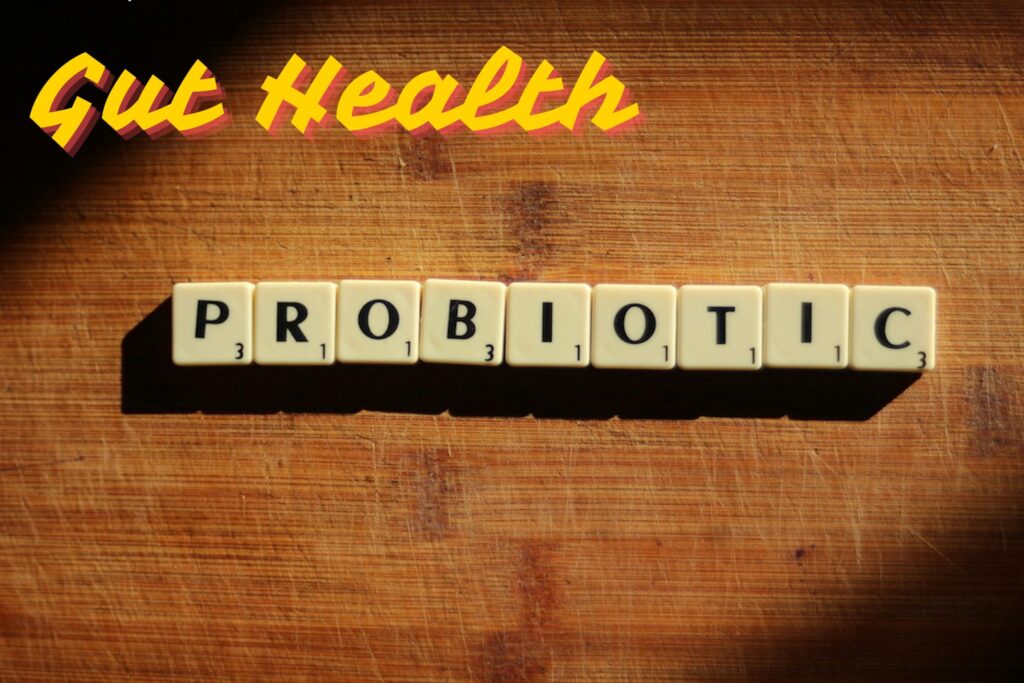
Probiotics are beneficial bacteria that support microbial balance and digestion. Prebiotics are fibers that nourish existing gut bacteria. Both are necessary for long-term gut health maintenance. Whole foods remain the best source of prebiotics.
Foods like garlic, onions, bananas, oats, and legumes encourage bacterial growth. Probiotic supplements may help after antibiotic use or illness. Choosing clinically studied strains improves effectiveness. Consistency matters more than high dosages when supporting gut health.
Signs Your Gut Is Healing
As gut health improves, noticeable physical changes often appear. Reduced bloating suggests improved digestion and bacterial balance. More regular bowel movements indicate better intestinal function. Energy levels may increase as nutrient absorption improves.
Clearer skin may reflect reduced inflammation throughout the body. Improved mood and focus suggest stronger gut-brain communication. These improvements typically occur gradually over several weeks. Patience and consistency are essential for lasting results.
Long-Term Habits to Maintain Gut Health
Gut repair does not end after 30 days. Long-term habits protect digestive balance and resilience. Continuing a fiber-rich, whole-food diet supports microbial diversity. Rotating food choices prevents bacterial stagnation.
Avoid overly restrictive diets unless medically necessary. Moderate physical activity supports gut motility and reduces bloating. Walking after meals improves digestion and blood sugar control. Sustainable habits ensure long-term gut health success.
Final Thoughts
Repairing gut health in 30 days is achievable with informed choices and daily commitment. Small changes accumulate into meaningful improvements over time. A healthy gut supports immunity, digestion, and mental clarity.
By removing harmful triggers, adding healing foods, and managing stress, gut balance can be restored. Long-term consistency remains the most important factor. Supporting your gut ultimately supports your entire body.