
DCI New MBIS System
The new DCI multi-biometric identification system (MBIS) slashes Certificate of Good Conduct wait times from 14 days to 24 hours. Here’s how it works.
Kenyans applying for a Certificate of Good Conduct now have a reason to celebrate.
The Directorate of Criminal Investigations (DCI) has rolled out a new DCI multi-biometric identification system, and it is changing how fast police clearance gets processed.
What once took up to two weeks can now be completed in 24 hours.
What Is the New System?
The Multi-Biometric Identification System, known as MBIS-ABIS Version 5, was launched at DCI Headquarters in Nairobi by Interior Cabinet Secretary Kipchumba Murkomen.
It replaces the older Automated Palm and Fingerprint Identification System (APFIS), which had served the country since 2016.
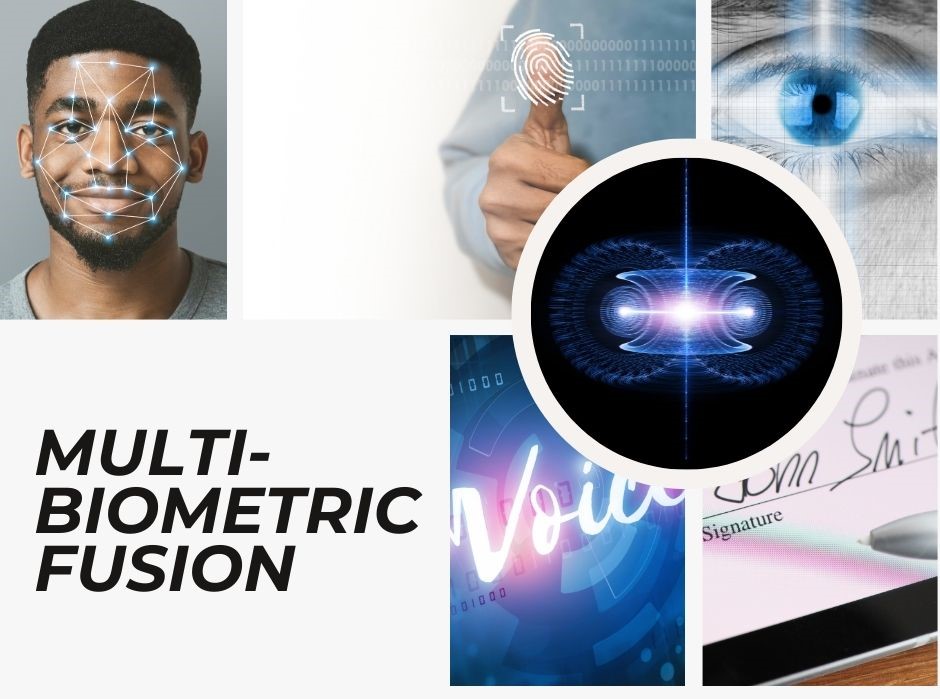
MBIS combines three forms of identification in one platform: fingerprints, palm prints, and facial recognition. This blend gives investigators and clearance officers a sharper, more reliable way to confirm identity.
It also strengthens Kenya’s broader criminal records management, giving courts faster access to an accused person’s history.
Why the Good Conduct 24 Hours Turnaround Matters
For years, applicants for a Certificate of Good Conduct faced long queues and unpredictable waiting periods. Job seekers, students heading abroad, and professionals renewing licenses often felt the pinch of delay.
With MBIS now active, that frustration is easing. Daily fingerprint processing capacity has jumped from 4,500 to 20,000 searches, a massive leap in efficiency.
National biometric storage has also expanded, growing from 2 million to 10 million records. Together, these upgrades mean the DCI can handle far more applications without sacrificing accuracy.
The result: most applicants can now expect their Certificate of Good Conduct within a single day, a dramatic shift from the previous two-week average.
How the System Works
Enrolment and live-capture machines are being deployed across the country, including at Huduma Centres and through eCitizen. Applicants provide fingerprints, palm prints, and a facial scan at designated points.
Manual fingerprint collection is gradually being phased out as the country embraces this fully digital approach.
The upgrade goes beyond speed. It also supports better forensic accuracy. The DCI’s Forensic Evidence Management Unit recently earned an ANSI National Accreditation Board (ANAB) certificate.
Thus, reinforcing the credibility of Kenya’s forensic processes on an international scale.
A Step Toward Wider Integration
Officials have outlined plans to link MBIS with other key institutions, including the National Registration Bureau, Immigration Department, the Judiciary, and INTERPOL.
This inter-agency connection is designed to help authorities identify repeat offenders quickly and give courts a clearer picture of an accused person’s record during proceedings.
DCI Director Mohamed Amin has emphasized that the transition supports both service delivery and public safety.
As biometric data becomes more centralized and accessible, verification processes across government services stand to benefit.
How to Apply for Your Certificate of Good Conduct New MBIS System
1. Log in to eCitizen
Access your eCitizen account and navigate to the DCI Police Clearance (Good Conduct) section. New users will need to register first with their national ID and phone number before applying.
2. Complete the Online Application Form
Fill in your personal details accurately, including your ID number and contact information. This form feeds directly into the DCI’s system, so double-check every entry before submitting.
3. Pay the Ksh 1,050 Processing Fee
Pay through your preferred mobile money option. Keep the payment confirmation handy, as it links directly to your application record.
4. Print Your C24 Form and Receipt
Once payment is confirmed, print both the C24 form and the payment receipt. These documents are required at the biometric capture stage, so carry them along with your original ID.
5. Visit a Live-Scan Station
Head to DCI Headquarters, a select police station, or one of 52 designated Huduma Centres nationwide for biometric capture. Officers will use the new MBIS technology to record your fingerprints and facial data digitally.
6. Complete Biometric Capture
The scan itself takes just a few minutes. Unlike the old manual fingerprinting process, this step is fully digital and feeds straight into the national biometric database.
7. Receive Your Certificate Within 24 Hours
Once your biometric data is captured, processing begins immediately. Most applicants receive an SMS or email notification within 24 hours, after which the certificate can be downloaded directly from eCitizen.
Total cost: Ksh 1,050
Total time: One visit, one day
No more two-week waits, just a same-day certificate, start to finish.

What This Means for Kenyans
For everyday citizens, the takeaway is simple: getting a Certificate of Good Conduct is now faster, smoother, and more reliable.
Job applications, travel plans, and license renewals no longer need to stall while waiting on paperwork.
This modernization effort reflects a broader push within Kenya’s police services to embrace technology. As MBIS continues to roll out nationwide, more citizens will feel the benefit of a system built for speed, accuracy, and trust.
The launch of the DCI multi-biometric identification system marks a meaningful step in Kenya’s police modernization journey, one that puts convenience back in the hands of the public.