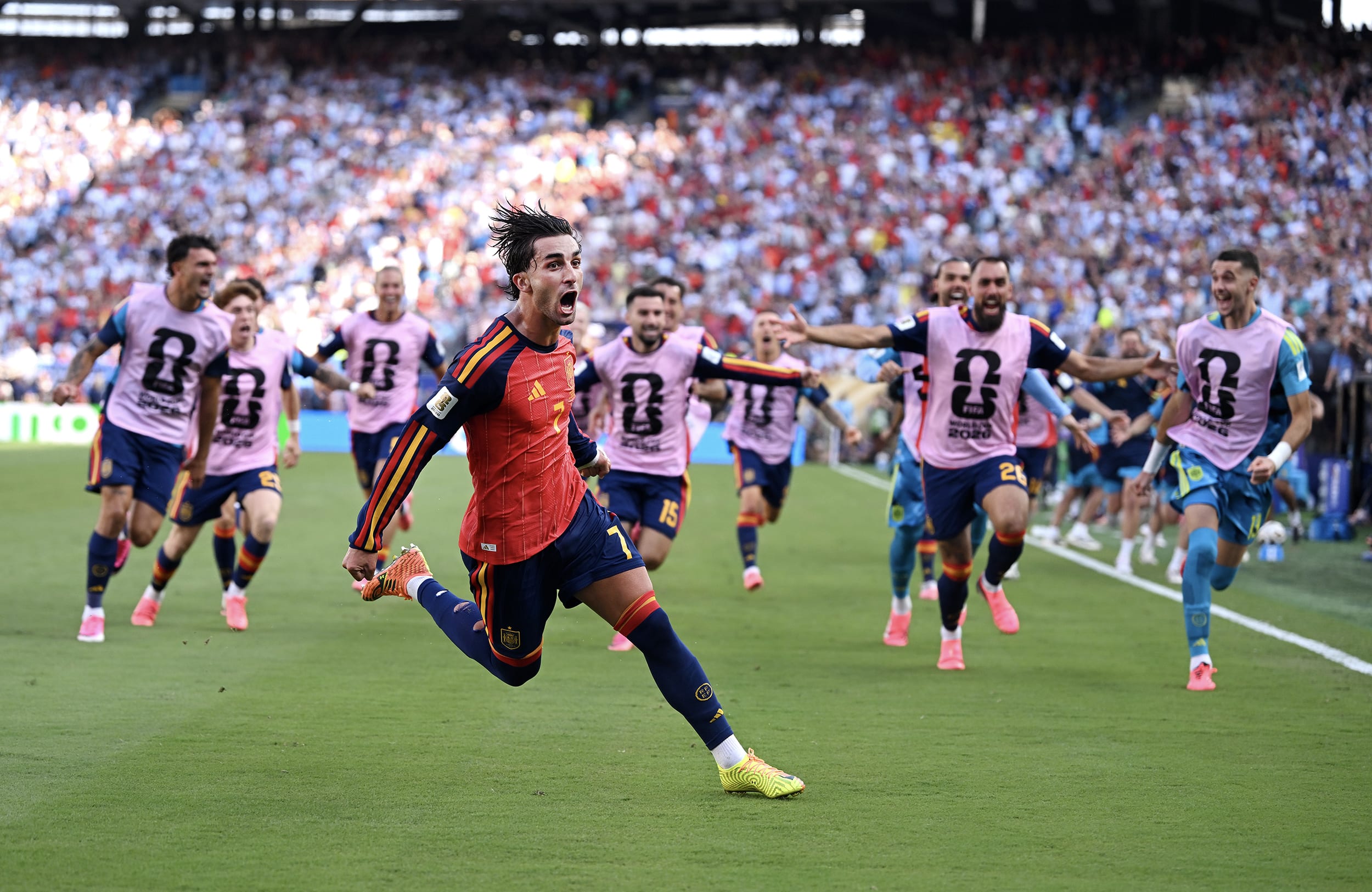
Spain Wins World Cup 2026 Beat Argentina 1-0 in Final
Spain beat Argentina 1-0 after extra time to win the 2026 World Cup. Ferran Torres scored the winner as Lamine Yamal starred in New Jersey.
Spain are world champions again. La Roja beat Argentina 1-0 after extra time in the World Cup final on July 19, 2026, at New York New Jersey Stadium.
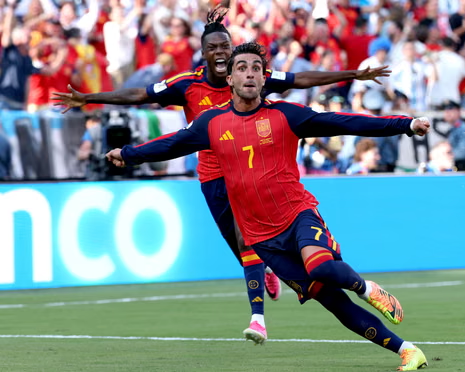
Ferran Torres struck the decisive goal in the 106th minute, sending Spanish fans into wild celebration. The win gives Spain their second World Cup title, sixteen years after their first triumph in South Africa in 2010.
A Final Worthy of the Occasion
The 2026 World Cup final delivered drama from start to finish. Spain and Argentina played out a tense, goalless first half. Neither side blinked through normal time, setting up a nervy finish.
Argentina’s Enzo Fernández was sent off in stoppage time, leaving his side to play extra time a man down. Spain made the numerical advantage count. Ferran Torres pounced in the 106th minute to break the deadlock and settle the contest.
Argentina goalkeeper Emiliano Martínez was a standout performer throughout the match, setting a new record for the most saves in a World Cup final.
His heroics kept Argentina in the game deep into extra time, but they could not prevent Spain from lifting the trophy.
Lamine Yamal’s Rise Continues
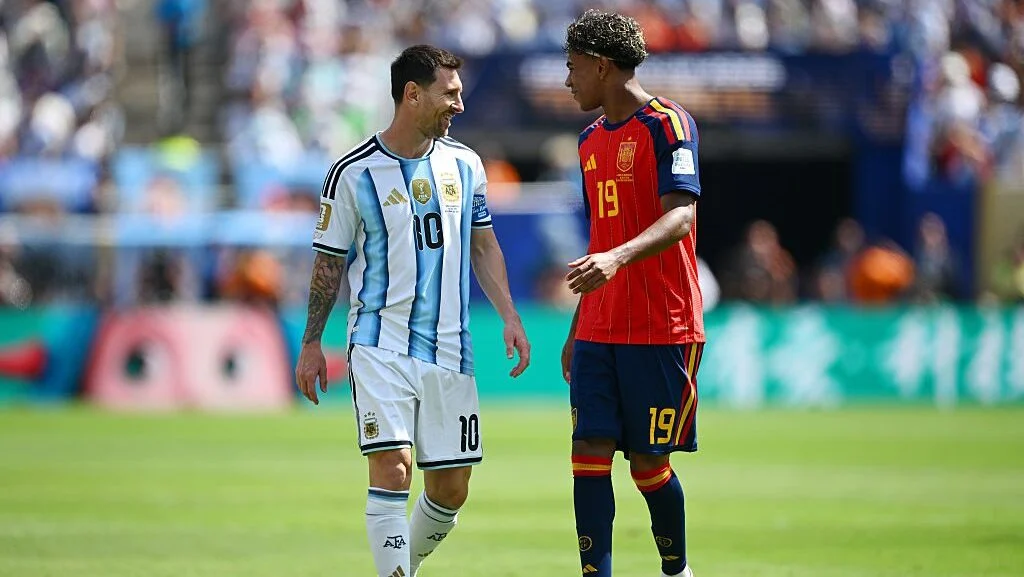
Spain’s triumph carried extra significance for teenage star Lamine Yamal. He became one of the youngest players ever to start a World Cup final, adding a world title to a career already defined by rapid rises.
Yamal came through Barcelona’s academy from age seven and signed a new contract worth a reported $1.05 billion buyout clause at just sixteen. At nineteen, he now holds a World Cup winner’s medal.
Spain captain Rodri lifted the trophy on behalf of a squad built on composure and control. Manager Luis de la Fuente guided the team through the tournament with a defense that conceded only one goal across the entire competition. A statistic that underlines Spain’s dominance on the road to the final.
Messi’s Emotional Farewell
For Argentina and Lionel Messi, the final brought heartbreak rather than a fairytale ending. Messi, chasing another World Cup crown after Argentina’s 2022 triumph, could not inspire his side to a second consecutive title.
Reports from the stadium described an emotional Messi after the final whistle, grateful for his long international career even in defeat.
Many observers believe this World Cup marked his last appearance on football’s biggest stage.
Cristiano Ronaldo, too, is widely expected to have played his final World Cup match this tournament, closing a chapter that has defined international football for two decades.
The Justin Bieber “Hallelujah” Effect
Justin Bieber took the stage at the 2026 FIFA World Cup Final halftime show to perform an acoustic version of his devotional track “Everything Hallelujah.” He did far more than captivate a global audience of billions, he sent the internet into an absolute frenzy.
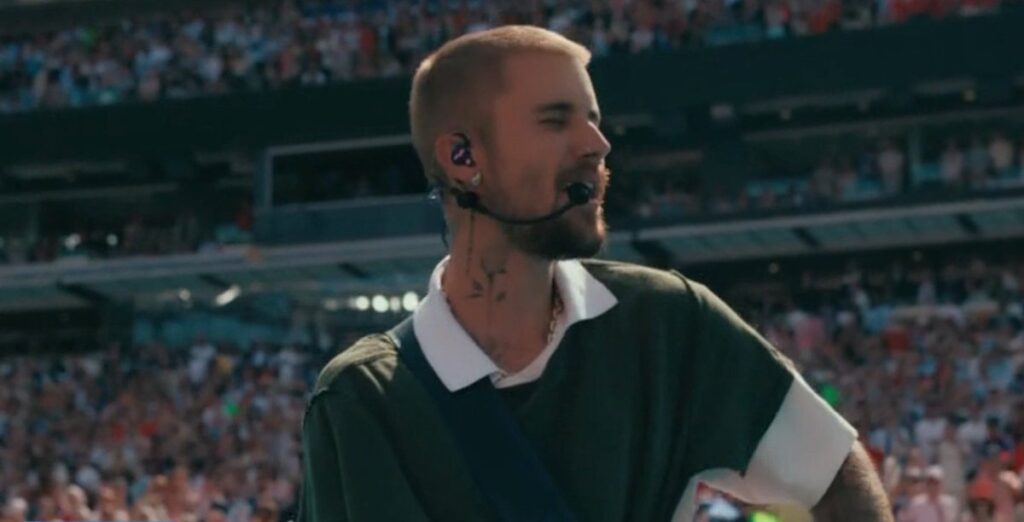
Within hours of the performance, global search interest for “hallelujah meaning” skyrocketed by over 5,000% on Google, driving millions to discover the Hebrew origin meaning “praise the Lord.”
Branded as a viral media sensation, the singer’s intimate performance transformed the world’s biggest sporting stage into a massive moment of global curiosity. Proving once again the unprecedented cultural power of music on the international stage.
Spain’s Second World Cup Crown
Spain’s 2026 victory adds a new milestone to a proud football history. The team first lifted the World Cup in 2010, becoming the first European side to win the tournament outside Europe.
Sixteen years later, Spain returns to the summit of world football, proving their golden generation was no accident.
The tournament as a whole delivered high standards, spanning stadiums across the United States, Mexico, and Canada. Fans and pundits alike praised the quality and entertainment value of the 2026 edition, calling it one of the best World Cups in years.
What This Means for Spanish Football
Spain’s second star cements their status among football’s elite nations. With a young core led by Yamal and a settled system under de la Fuente, Spanish football looks well placed to remain competitive for years to come.
The victory in New Jersey caps a remarkable run through the knockout stages, including a hard-fought win over England in the semi-final.
As celebrations continue across Spain, the achievement stands as a reminder of the depth and discipline built into the national program.
Sixteen years after their first World Cup, Spain has once again reached the pinnacle of the global game.
Samtash Media brings you timely coverage of major global sporting moments and their impact.