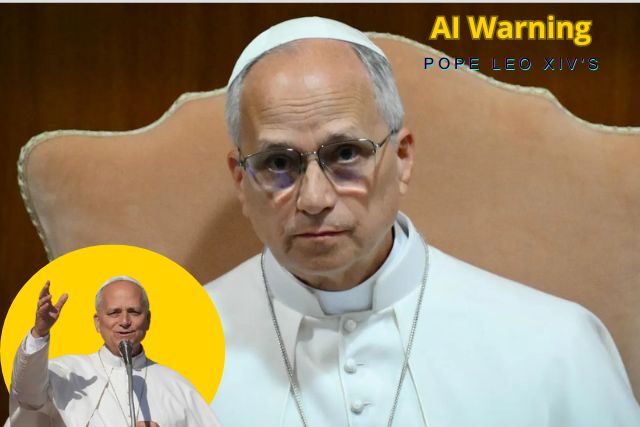
Pope Leo XIV's AI Warning
Pope Leo XIV’s first encyclical, Magnifica Humanitas, warns that artificial intelligence needs to be disarmed from autonomous weapons to mass surveillance
In one of the most anticipated papal documents of the modern era, Pope Leo XIV sends a warning about the growing risks of AI. Especially, that cuts straight to the heart of humanity’s most urgent technological crossroads.
Released on May 25, 2026, the pontiff’s first major encyclical, Magnifica Humanitas, delivers a sobering yet constructive call to action. Artificial intelligence must be governed, guided, and yes, “disarmed.”
“Artificial intelligence needs to be disarmed,” Pope Leo declared, acknowledging the weight of that word. “The word is strong, I know, but deliberately chosen because this moment needs words capable of attracting attention, awakening consciences, and indicating paths forward for humanity.”
It is a statement that has already reverberated across boardrooms, parliaments, and universities worldwide.
A Tower of Babel for the Digital Age
Drawing on the enduring power of biblical imagery, Pope Leo compared the unchecked expansion of AI to the ancient Tower of Babel. Humanity’s cautionary tale of ambition outpacing wisdom.
His message is clear: technology built without ethical foundation risks fragmenting rather than uniting the human family.
Yet the encyclical is far from a rejection of progress. Rather, it is a moral roadmap. An invitation to build artificial intelligence that genuinely serves human dignity rather than eroding it.
Five Critical Threats Pope Leo Identified
The pontiff outlined five areas where AI poses profound risks to the common good:
1. Autonomous Warfare
Pope Leo raised urgent alarm over weapons systems that are becoming practically beyond human reach to govern.
He declared the traditional “just war” doctrine outdated in an era where lethal decisions can be delegated to algorithms, calling for the technology to be demilitarized.
2. Mass Surveillance and Social Control
He condemned the unchecked harvesting of personal data, warning of invisible forms of digital colonialism. Notably, where profiling and behavioral manipulation replace genuine freedom.
“I hear very troubling accounts of algorithms that can block access to healthcare, employment, and security on the basis of data tainted by prejudice and injustice,” he said.
3. Job Displacement and Worker Dignity
The encyclical speaks directly to the millions of workers facing automation-driven unemployment, cautioning against sacrificing livelihoods on the altar of corporate profit.
4. Deepening Global Inequality
Power over AI is concentrated in a handful of wealthy nations and monopolistic corporations.
Pope Leo drew a striking parallel between this concentration of technological power and historical patterns of exploitation, including modern forms of structural inequality.
5. The Erosion of Truth
Perhaps most urgently for contemporary society, the Pope voiced deep concern over generative AI’s capacity to produce convincing disinformation. Thus, manufacturing false realities that blur the line between truth and simulation.
A Constructive Vision, Let’s Not Fear AI
Significantly, Pope Leo’s encyclical is not a manifesto of fear. “Let’s not fear artificial intelligence,” he urged, “but constantly keep the question of the human in play. We cannot be careless with our most powerful technical instruments.”
This is a vision grounded in hope. One that calls on governments, technology companies, civil society, and international bodies to establish binding ethical frameworks and robust oversight mechanisms that ensure AI remains a tool of human flourishing.
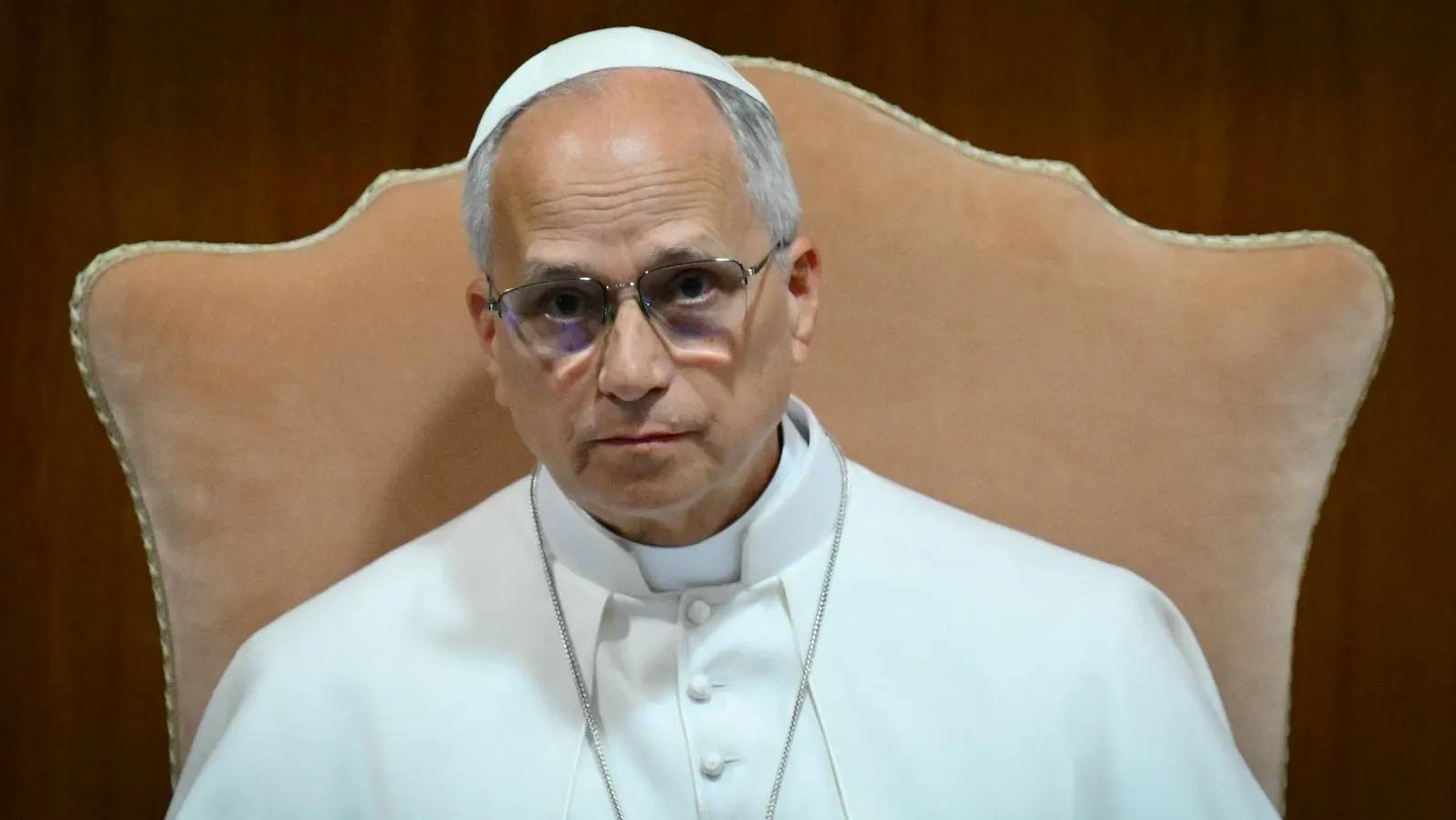
“Artificial intelligence already touches many areas of our lives and affects decisions that shape human coexistence,” the Pope noted. “It is also dramatically changing how war is waged.”
Why This Moment Matters
Pope Leo XIV’s encyclical arrives at a pivotal juncture. Governments worldwide are scrambling to regulate AI. Tech giants are racing to deploy increasingly powerful systems.
And ordinary citizens are navigating a world reshaped at a pace that policy and ethics have struggled to match.
The Vatican’s intervention represents one of the most morally authoritative voices in the world stepping into that gap, not with condemnation, but with conscience.
For the Catholic Church’s 1.4 billion members and billions more who respect the moral weight of the papacy, Magnifica Humanitas is more than a theological document.
It is a challenge to everyone shaping the AI future: build technology worthy of the humanity it is meant to serve.