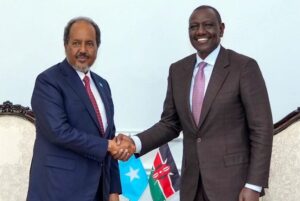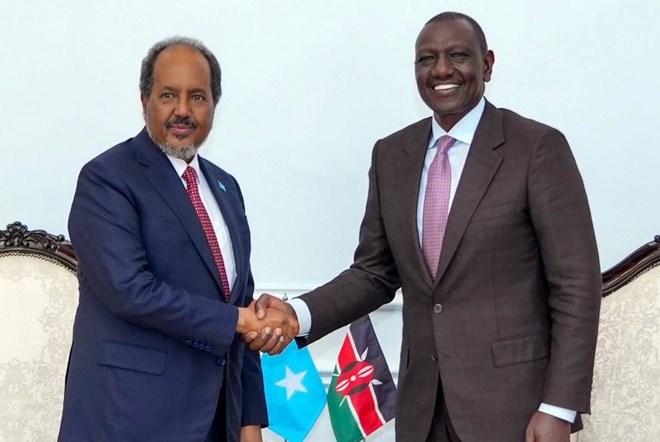
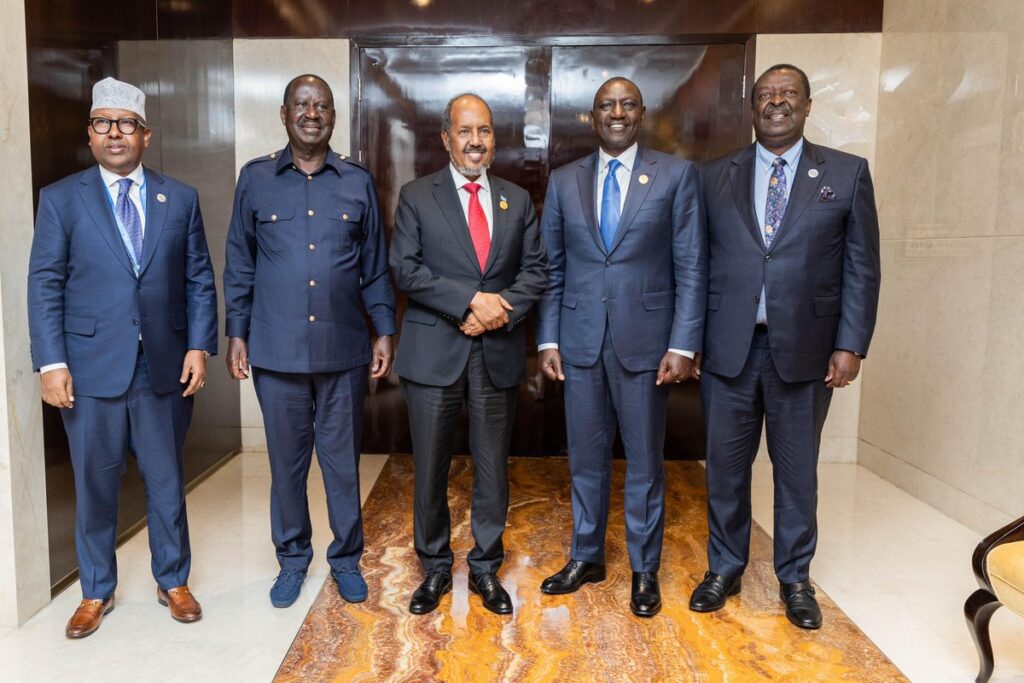
President Ruto and Somali President Hassan Sheikh Mohamud
As President William Ruto hosts Somali President Hassan Sheikh Mohamud, here are the top 10 things President Ruto has done for the Somali people.
For decades, Kenya’s Somali community, both the ethnic Somali Kenyans in the north-eastern counties and the nation of Somalia across the border, occupied the margins of mainstream political concern. That dynamic has shifted considerably under President William Ruto, whose administration has made tangible, documented moves that directly benefit the Somali people. From abolishing discriminatory ID vetting to fighting Al-Shabaab on Somali soil and hosting Somali President Hassan Sheikh Mohamud for high-level talks in Narok, here are the top 10 things President Ruto has done for the Somali people.
Things President Ruto Has Done for the Somali People
1. Abolishing the 60-Year-Old ID Vetting Requirement
Perhaps the most transformative domestic act Ruto has delivered for Kenyan Somalis is ending the extra vetting requirement for national ID registration in North Eastern and other border counties. On February 5, 2025, President Ruto signed a Presidential Decree in Wajir, effectively abolishing a decades-old security vetting process. It had disproportionately impacted Kenyan Somalis and other border communities seeking national identity cards. Standing before residents, he declared:
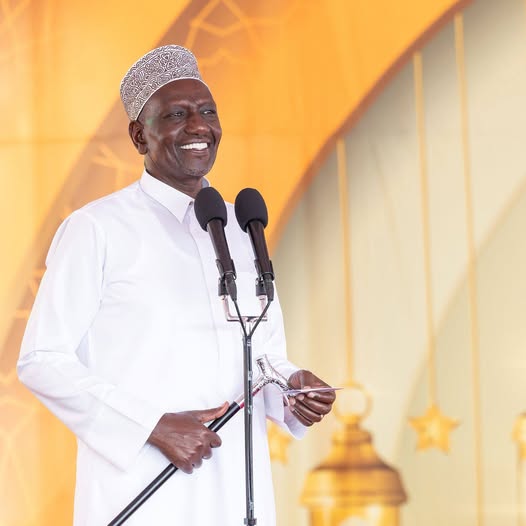
“We want the people of northern Kenya to feel equal to the rest of the country. All Kenyan children are equal. No Kenyan is greater than another.”
This was not a small gesture. For the last 60 years, the extra vetting requirement. Enforced in counties such as Garissa, Mandera, Wajir, Lamu, Tana River, and Turkana, that had been introduced as a national security measure, but led to systemic discrimination particularly against Somali-Kenyans, Nubians, Arabs, and Asians. Notably, who often faced delays, exclusion from essential services, and economic hardships.
2. Free National ID Cards for All Kenyans
Ruto went a step further on the ID question. He directed that Kenyans aged 18 and above be issued National Identification cards free of charge. A reversal of a previously gazetted fee hike that had increased the cost for first-time applicants. For thousands of young Somali Kenyans in Mandera, Wajir, and Garissa, a free, accessible ID is the gateway to education, banking, voter registration, and formal employment.
3. Unlocking Voter Participation for Somali Kenyans
Northern Kenya has historically posted low voter registration and turnout. Partly because of the vetting bottleneck that locked out legitimate citizens from obtaining the IDs required to register to vote. By dismantling this barrier, Ruto’s administration has created the conditions for Somali Kenyans to participate fully in democratic processes. As voters, candidates, and political stakeholders, for the first time in a generation.
4. Appointments of Somali Kenyans in Government
Ruto has extended representation to Somali Kenyans in the formal structures of the state. Among his foreign service appointments, the President nominated Amb. Abdirashid Salat Abdille to Jakarta, Indonesia, and Amb. Mohamed Ramadhan Ruwange as Consul General to Arusha, Tanzania. These appointments signal a deliberate effort to integrate Somali Kenyans into Kenya’s diplomatic and governmental infrastructure.
5. KDF Fighting Al-Shabaab in Somalia
The Kenya Defence Forces have served as one of the most consistent contributors to Somalia’s peace. Somali President Hassan Sheikh Mohamud commended Ruto for his tireless support of Somalia’s state-building efforts. Also acknowledged the significant role of the Kenya Defence Forces in the fight against terrorism alongside Somali Security Forces and other ATMIS troop-contributing countries. Under Ruto, this military commitment has been reaffirmed and extended under the new AUSSOM mission.
6. Championing the AUSSOM Peace Mission
President Ruto and President Hassan Sheikh welcomed the establishment of the African Union Support and Stabilisation Mission in Somalia (AUSSOM). Notably, stressing that the mission must be adequately financed and noting the importance of exploring all funding options, including UN Resolution 2719. Ruto’s vocal advocacy for global financing of Somali peace operations directly addresses the chronic underfunding that has hampered Somalia’s security transition for years.
7. Backing Somalia’s UN Security Council Seat
President Ruto congratulated Somalia on its election to the UN Security Council and acknowledged its potential to play a key role in global governance. Lending Kenya’s diplomatic weight to Somalia’s international standing, at a critical moment in the country’s state-building journey.
8. Announcing the Kenya-Somalia Border Reopening
Kenya’s border with Somalia, closed for nearly 15 years following Al-Shabaab attacks, was set for reopening, with Ruto pledging heavy deployment of security forces and personally committing to officiate the historic crossing. Though Somalia’s internal Jubaland conflict subsequently delayed the reopening, Ruto revealed that Kenya stepped in to airlift and support Somali National Army troops, and continues brokering a resolution between Mogadishu and regional states alongside Ethiopia and Djibouti.
9. Restoring Miraa Cross-Border Trade
As a precursor to full border reopening, the National Security Council ratified the reopening of the Kenya-Somalia border for miraa trade through designated points including Mandera, Liboi, and Kiunga. Miraa is both a vital Kenyan export crop and a high-demand commodity in Somalia, making this a concrete economic win for traders and farming communities on both sides of the border.
10. High-Level Diplomatic Engagement, Including Narok 2026
Ruto has kept the bilateral relationship active and personal. Most recently, Somali President Hassan Sheikh Mohamud visited Kenya and met with President Ruto in Narok for high-level talks focused on strengthening bilateral relations. Thus enhancing regional security cooperation, promoting trade and economic ties, and advancing shared development priorities between the two nations. Kenya has actively engaged stakeholders in recent months in an effort to encourage dialogue among Somali political actors and reduce tensions surrounding governance and electoral arrangements. Hence, maintaining strong cooperation in trade, security, intelligence sharing, and regional diplomacy.
The Wajir Stadium Controversy to Madaraka Day
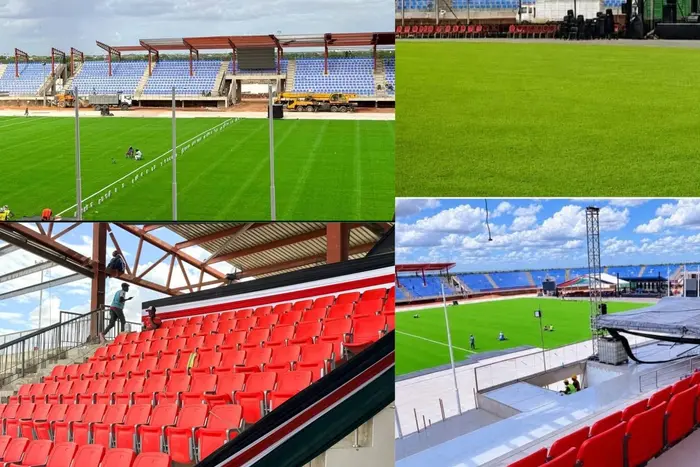
When the government announced a modern stadium in Wajir, residents initially pushed back, arguing the funds would be better spent drilling boreholes across the water-starved county. “We need water to drink, not a place to watch football,” became a common refrain among frustrated locals.
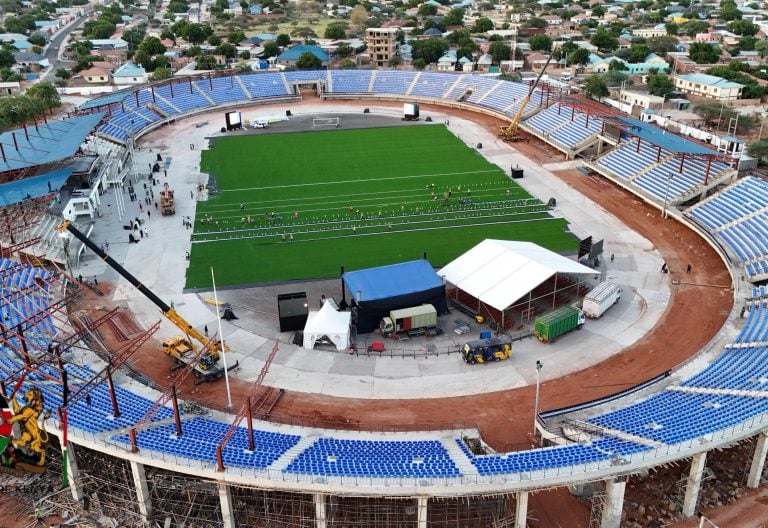
But the stadium was built and it excited most. However, not all support and agree with this! Wajir hosted Kenya’s Madaraka Day celebrations at the new facility, putting the long-marginalised north-eastern county on the national stage for the first time. For many Somali Kenyans, that moment was more than a celebration. It was a statement of belonging.
The Bigger Picture
The things President Ruto has done for the Somali people span domestic inclusion, security cooperation, diplomatic recognition, and economic restoration. Other Kenyans find this a double edged sword that may turn against Kenyans. Whether ending a 60-year-old ID discrimination policy, deploying Kenyan troops to protect Somali civilians, or personally driving Somali President Hassan Sheikh around Narok County, Ruto has made Kenya’s relationship with the Somali people one of the defining foreign and domestic policy stories of his administration.