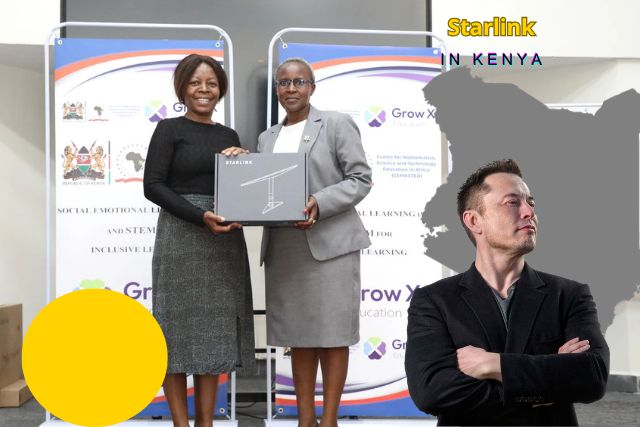
Starlink helping schools in Kenya
Elon Musk commends Starlink for connecting 30 remote schools in Kenya. Teacher digital tool use jumped from 57% to 82% in just one month. Read the full story.
SpaceX’s satellite internet transforms digital literacy in rural Kenya as teacher adoption of digital tools soars from 57% to 82% in just one month.
30 remote schools connected | 32,000+ students reached | 82% teachers using digital tools
Elon Musk took to X on June 10, 2026, to commend Starlink’s growing educational impact across Kenya, reposting an announcement from the official Starlink account and simply stating:
“Starlink helping schools in Kenya.” The brief but powerful endorsement drew widespread attention to a connectivity initiative that is already reshaping classrooms in some of the country’s most underserved regions.
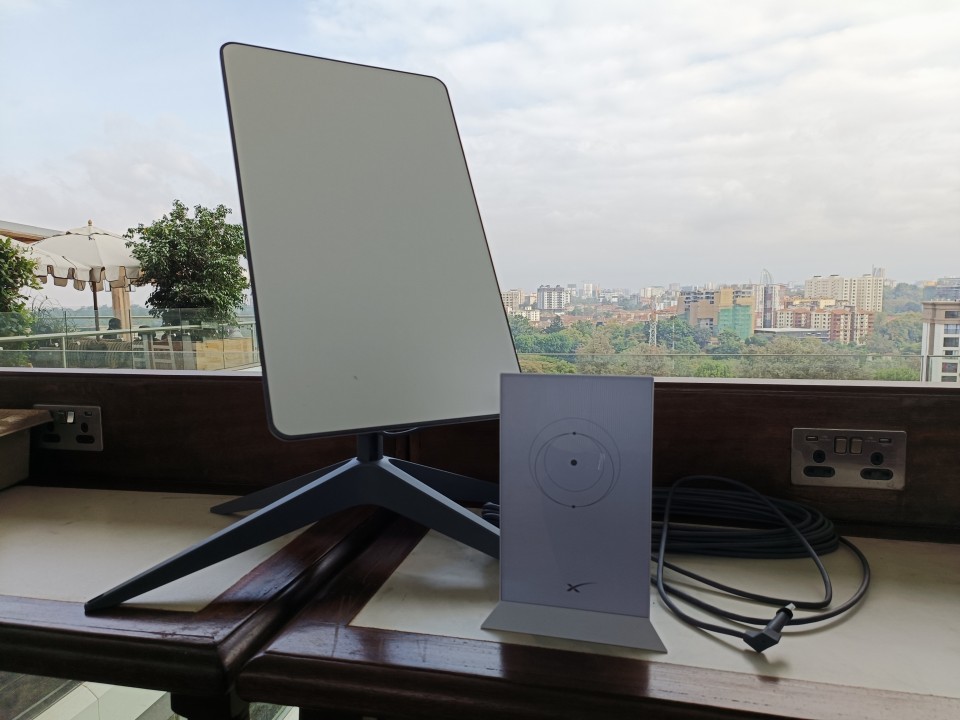
Starlink, operated by Musk’s SpaceX, confirmed it is now providing high-speed satellite internet to 30 schools in remote parts of Kenya. Notably, institutions that, until recently, had little to no reliable internet access.
The rollout, executed in partnership with the Centre for Mathematics, Science and Technology Education in Africa (CEMASTEA), a national body under Kenya’s Ministry of Education, and US-based nonprofit Grow X Education, marked the beginning of the 2026 academic year with a landmark connectivity milestone.
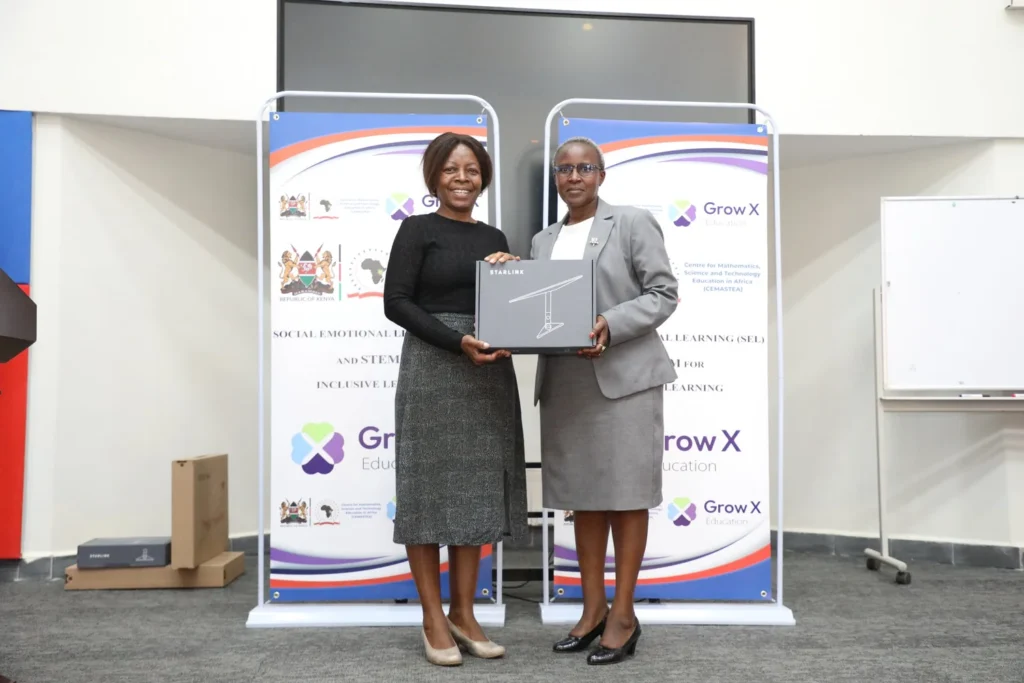
“A school leader in Kenya drove 9 hours to pick up a Starlink kit for her school that previously had little to no reliable internet. One month later: teachers across many schools using digital tools jumped from 57% to 82%, and students completing digital tasks doubled from 18 to 36%.” — @Starlink on X
The scale and speed of the transformation has been striking. Before Starlink arrived, 41% of participating schools identified unreliable internet as their single greatest barrier to integrating technology into teaching and learning.
Within one month of activation, those numbers shifted dramatically. Teacher use of digital tools climbed from 57% to 82%, while student completion of digital tasks doubled, rising from 18 to 36%. Additionally, student interest in ICT-integrated lessons surged from 57% to 89%.
CEMASTEA distributed Starlink hardware across 30 distinct districts, deliberately spreading access equitably rather than concentrating it in urban or already-advantaged areas.
The initiative currently serves over 32,000 students and 1,000 teachers nationwide, with connectivity spanning counties from Nairobi to Bungoma in western Kenya. A region roughly 250 miles from the capital, accessible only by a nine-hour road journey.
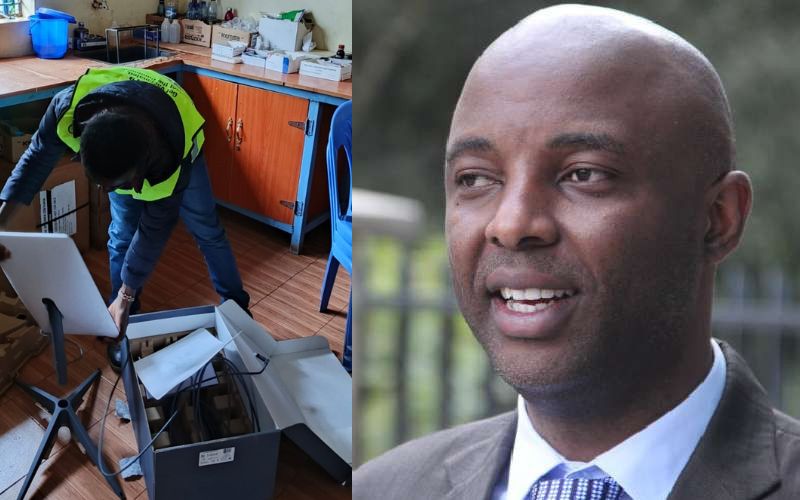
The Starlink kits are enabling schools to align more effectively with Kenya’s 2019 Competency-Based Curriculum (CBC), which prioritises critical thinking, real-world application, and digital fluency.
Grow X Education is now deploying its AI-driven social-emotional learning (SEL) platform within connected classrooms, equipping students with both academic and life skills essential for the 21st century.
Musk’s public acknowledgment amplifies what educators on the ground are already experiencing firsthand.
One school leader from Bungoma County, who made the long journey to collect her school’s Starlink unit, expressed the depth of the change in a message to the project partners: “How I pray that you will one day manage to pay a visit and see what Starlink connectivity has helped us.”
With strong early evidence of measurable impact, CEMASTEA and Grow X Education are now planning to expand Starlink connectivity to additional schools across Kenya.
Similar evidence-based models are also being explored in South Asia, where Grow X Education is collaborating with the University of the Philippines to extend the reach of satellite-powered learning.
For Kenya’s students, who once counted unreliable connectivity as their biggest obstacle, the digital divide is finally beginning to close.