








NTSA school transport regulations for 2026 explained, nine safety rules, IRSMS speed limiters, and new licensing framework ahead of schools reopening.
Kenyan schools are gearing up for reopening. Roads will soon fill with buses, vans and school-run vehicles.
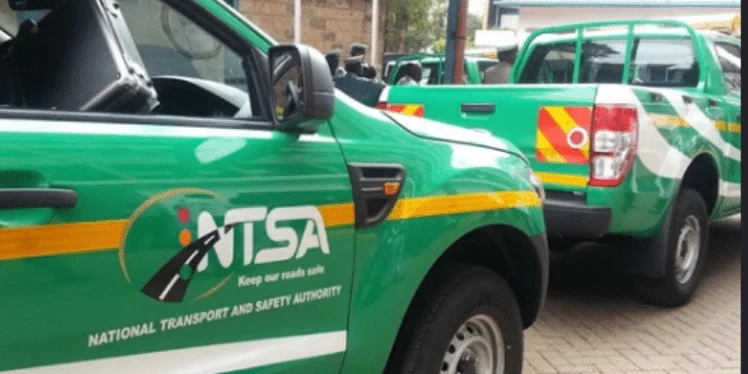
The National Transport and Safety Authority (NTSA) has responded with fresh guidance. The new NTSA school transport regulations put safety first, for every learner, every day.
Why the New Checklist Matters
NTSA issued its latest advisory on Wednesday, August 19, 2026. It targets drivers and conductors who transport school-going children.
The message is clear: vehicles must be roadworthy before learners board. Schools, parents and transport operators all share this responsibility.
The advisory arrives at a critical time. Reopening season historically brings a spike in traffic involving school vehicles. NTSA wants that surge managed safely, not left to chance.
NTSA’s Nine Safety Requirements
The checklist is practical and specific. Vehicles must carry a valid inspection certificate, a Road Service Licence (RSL) and active insurance cover.
Speed limiters must work correctly. They must also transmit real-time data to NTSA’s Intelligent Road Safety Management System (IRSMS). This technology gives regulators clear visibility into vehicle behaviour on the road.
Regular servicing is non-negotiable. Brakes, tyres, lights and side mirrors need constant attention. Faulty components put lives at risk.
Drivers and conductors must hold valid licences and PSV badges. No exceptions apply here. Every child must wear a seatbelt throughout the journey, without fail.
Vehicles must never exceed approved passenger capacity. Overcrowding remains a leading safety hazard nationwide. Children must also stay fully inside the vehicle. Heads, arms or other body parts must never hang outside a moving vehicle.
Finally, drivers and conductors must report any child suspected of being under the influence of drugs or alcohol. This protects the wellbeing of the entire vehicle.
Part of a Bigger Safety Push
This checklist builds on NTSA’s ongoing #WatotoWafikeSalama campaign. That initiative already called for roadworthy vehicles, qualified drivers and functional safety equipment. The NTSA school transport regulations framework keeps growing stronger with each cycle.
Kenya is also moving toward broader legal reform. The proposed Traffic (School Transport) Rules, 2025 introduce a licensing framework for school transport providers. Minimum standards will cover seatbelts, fire extinguishers and telematics systems.
In May 2026, the Ministry of Roads and Transport presented updated rules to Parliament’s Committee on Delegated Legislation. These regulations aim to raise safety standards and cut road deaths involving children.
What This Means for Parents and Schools
Parents gain more confidence in vetted transport providers. School administrators face clearer compliance expectations. Transport operators get a defined path toward accountability and better practice.
The shift toward telematics and real-time monitoring signals a modern approach. Kenya’s roads are becoming safer through technology, not just policy. NTSA’s Intelligent Road Safety Management System stands at the centre of this transformation.

Read more: Register NTSA
The Bottom Line
Safety on Kenyan roads starts with preparation. The NTSA school transport regulations offer a clear, actionable roadmap for the new term. Roadworthy vehicles, valid documents and responsible conduct protect every learner’s journey.
As schools reopen, cooperation remains essential. Parents, drivers, conductors and regulators each play a part. Together, they can make #WatotoWafikeSalama more than a slogan. They can make it a lasting reality on Kenya’s roads.