Does Vote Buying Still Decide Elections in Kenya? What the Ol Kalou By-Election Revealed
Does Vote Buying Still Decide Elections in Kenya? What the Ol Kalou By-Election Revealed
By Samuel Ngare, with Shakira Wafula (civic educator) | Samtash Media | Published 12 October 2026
OL KALOU, NYANDARUA COUNTY. Cash, blankets, shoes and cooking gas moved through Ol Kalou before the 16 July 2026 by-election. Voters still handed the government’s candidate a heavy defeat. So does vote buying in Kenya still decide elections?
We travelled to Ol Kalou to find out. Samuel Ngare a Journalist and civic educator Shakira Wafula spoke with voters, a campaign mobilizer, an aspirant and the MP’s aide. Fewer than five people agreed to go on record, while others spoke only on condition that their identities stay fully anonymous and hidden. Their accounts point to a clear picture. Handouts were widespread in Ol Kalou, they said. Yet the ballot told a different story by landslide win.
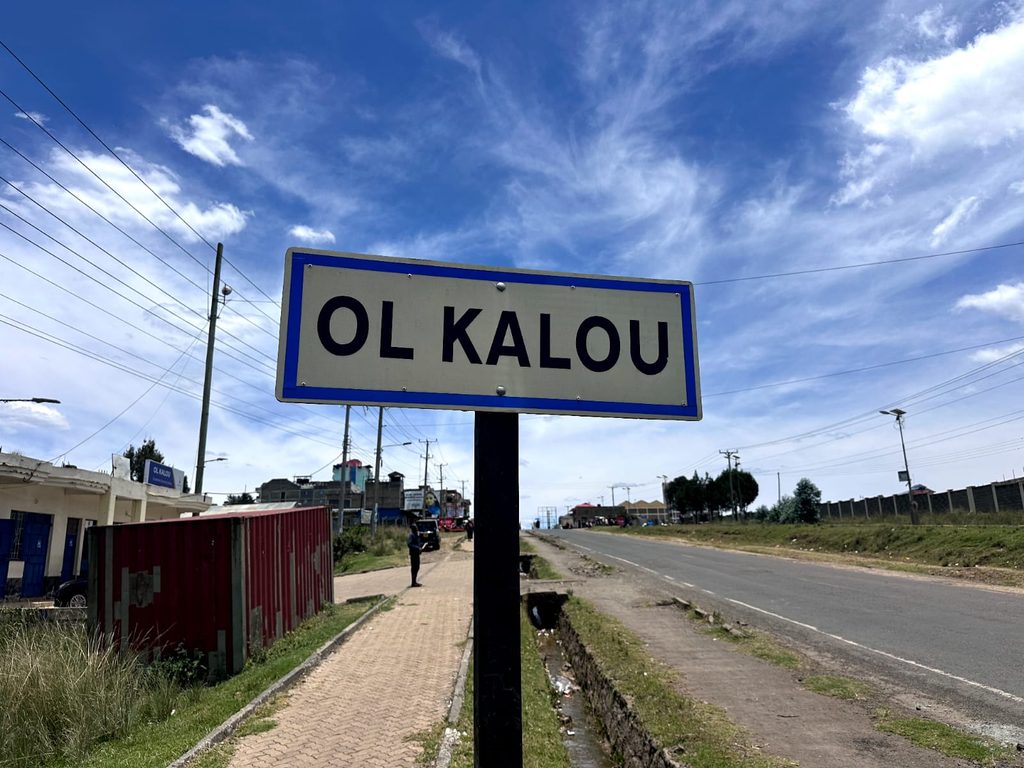
This report weighs interviews, official results and an independent observer report with Ol Kalou Town as the study case.
The result shows that reported handouts did not overcome a strong preference for one candidate in this contest. It cannot, on its own, tell us how much inducements affected individual votes, or whether vote buying succeeds elsewhere.
The article combines the interviews with the IEBC’s published results, registration notices and election law. Allegations from interviews are attributed and were not independently verified unless stated otherwise.
The Ol Kalou By-Election Result
The numbers are lopsided, as Sammy Douglas Kamau Waweru of the Democracy for Citizens Party (DCP) won with 35,440 votes. Samuel Muchina Nyagah of the United Democratic Alliance (UDA), the government’s candidate, got 5,450. The margin was 29,990 votes.
The IEBC declared Waweru elected. Seven other candidates shared 426 votes.
| Candidate | Party | Votes |
|---|---|---|
| Sammy Douglas Kamau Waweru | DCP | 35,440 |
| Samuel Muchina Nyagah | UDA | 5,450 |
| Wilson Mwaniki Kigwa | Jubilee | 198 |
| Stephen Waithaka | NLP | 103 |
| Timothy Kariuki | PRM | 51 |
| Edwin Muchiri | PNU | 28 |
| Abdifatah Abdullahi | FPK | 19 |
| Edward Mwaniki | Kenya Moja | 16 |
| Rachael Njoroge | PDP | 11 |
Read: Ol Kalou By-Election Transtally Report
However, locals see both men as sons of Ol Kalou, yet the constituency united behind Sammy Kamau, who was sworn in as MP in late July.
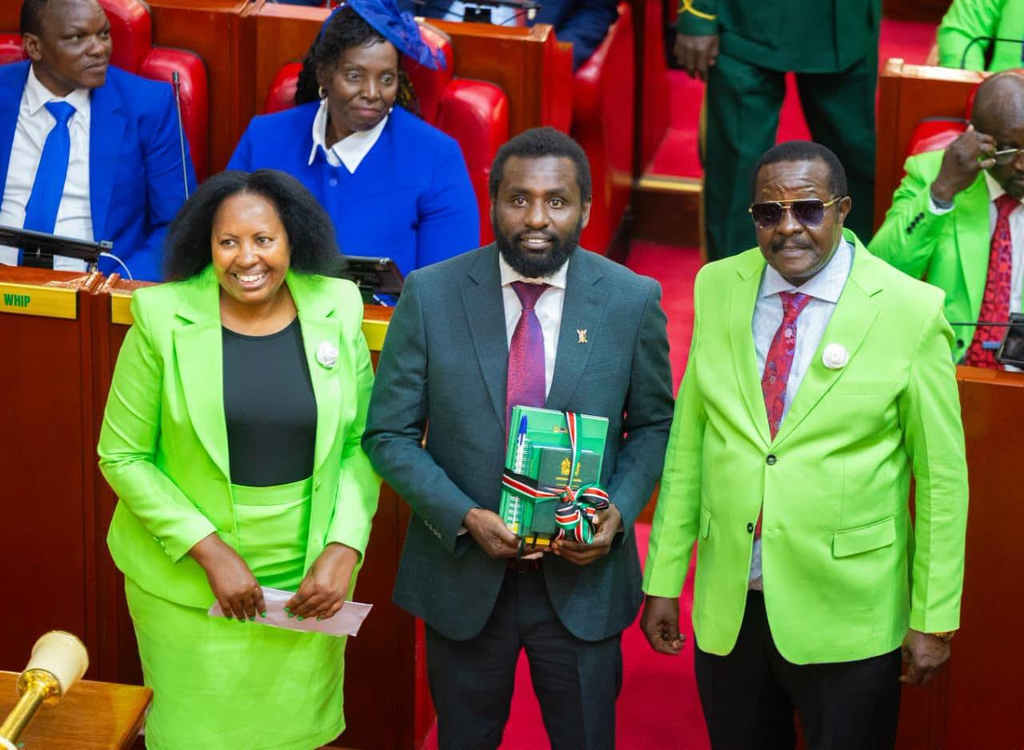
Nine candidates were on the ballot, and the IEBC counted 41,316 valid votes and 340 spoilt ballots. Ol Kalou had 73,480 registered voters. The IEBC reported 41,656 ballots cast and a turnout of 57 per cent.
Neither man was a stranger to local politics. Nyagah had served as personal assistant to the late MP David Kiaraho, who died in March 2026 and left the seat vacant. Several interviewees described Nyagah as a local son and recalled his work on bursaries.
Kamau is a former Ol Kalou MCA who ran on a UDA ticket in 2022 and finished second to Kiaraho. One voter lamented that Nyagah might have won had he contested under another party. That was the voter’s assessment, not a result that can be proved from the tally.
A Clean Town, a Tense Contest
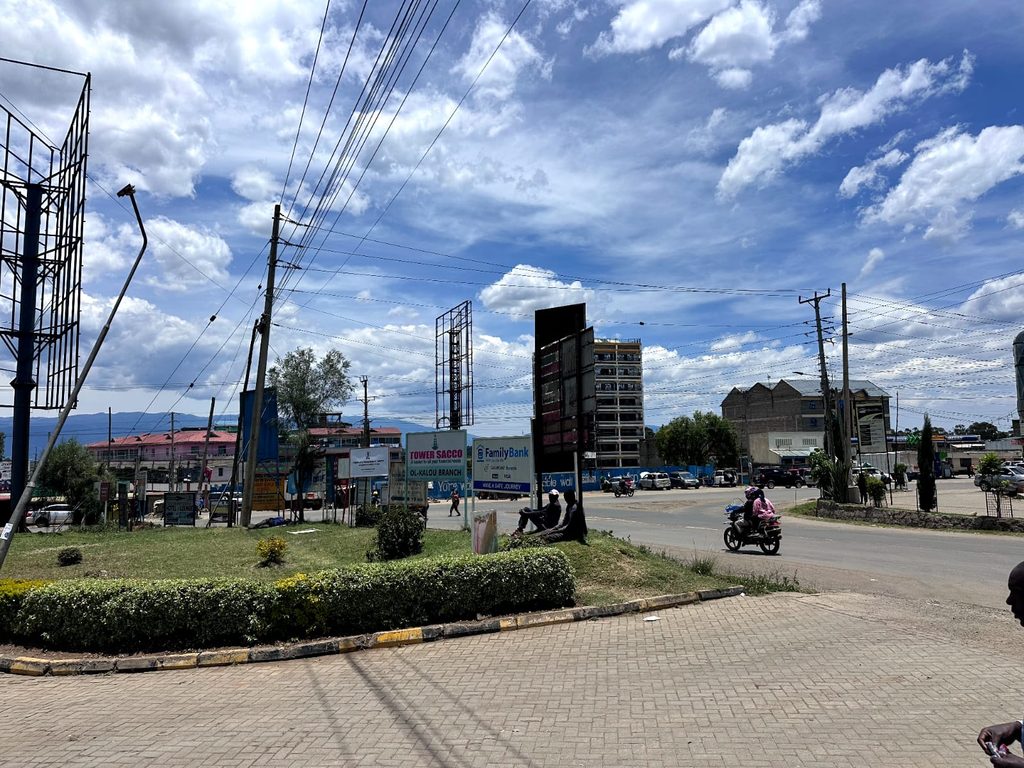
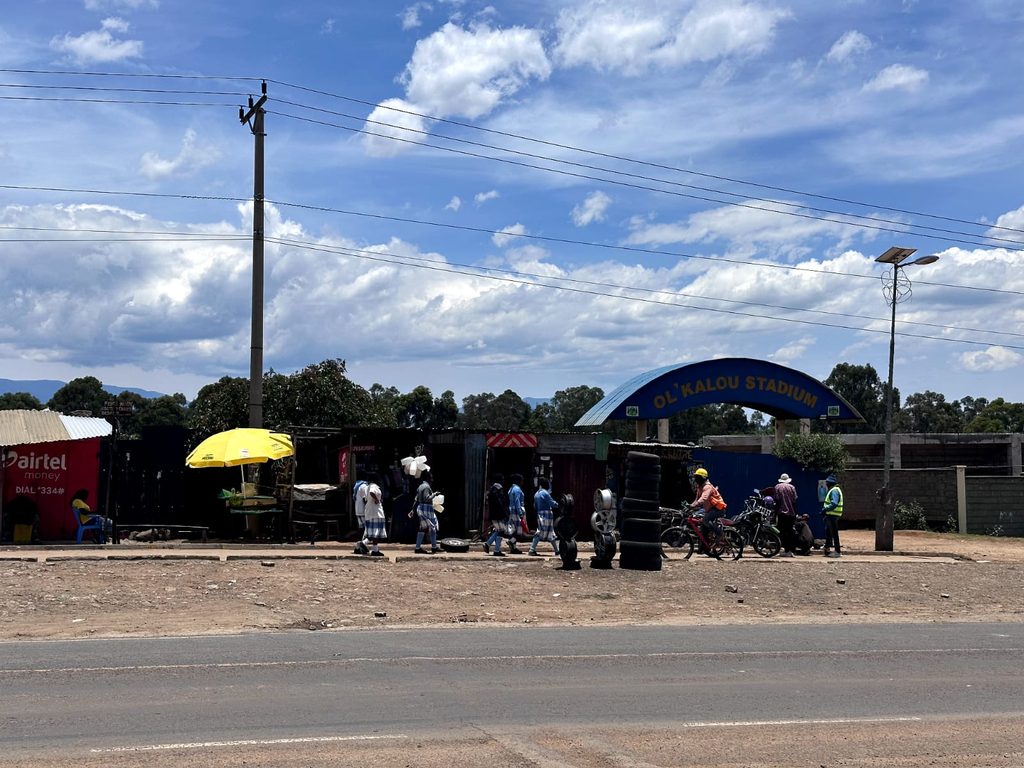
Ol Kalou Town surprised us. It is clean and orderly, not the sleepy rural stop many expect when you visit a Rural-urban town. Businesses are busy and the economy looks to be growing, notably it is a key hub in Nyandarua County.
The contest was fierce with one seat which was at stake. UDA and DCP both wanted to show strength Nationwide on the ground but the Residents felt the pressure.
Many saw it as a proxy fight between President William Ruto’s UDA and the DCP of former Deputy President Rigathi Gachagua.
Jesse Mwangi, personal assistant to the MP, explained how this differed from a general election. In those polls, campaign teams split across the presidential, governor and senator races. This time, he said, “all the energy went into one seat.”
The MP received us for the interview, although constituents kept warmly engaging him which deterred him but we understood his position. He referred us to Mwangi, who has worked with him since they started the campaign.
What Voters Say They Were Offered
People described a steady flow of handouts. One local voter said some were given KSh 1,000 and others KSh 500. Items included tree seedlings, blankets and shoes. “It was like a market,” the voter said. “You take what you want.”
Two local women listed campaign items such as umbrellas, T-shirts, caps, avocado seedlings and cooking gas. They said the gas was sold cheaply, not given free. According to them, they saw such items as normal campaign material.
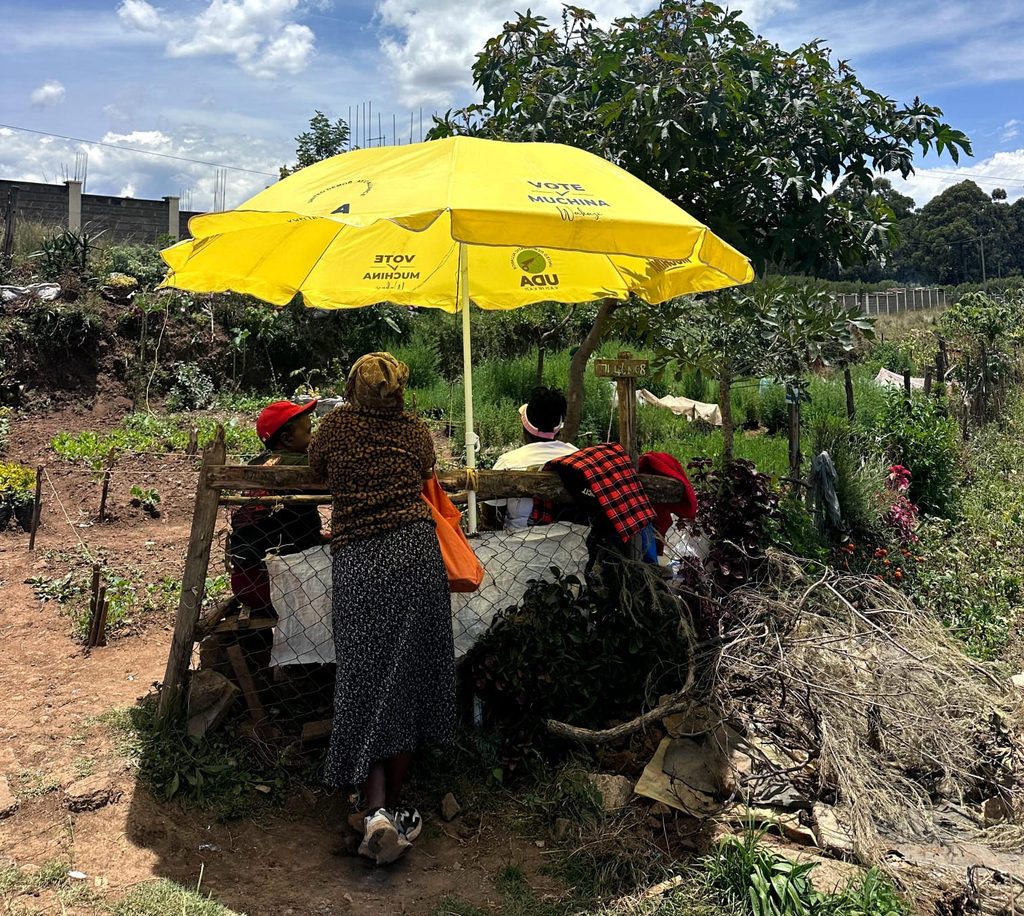
We asked whether the things they called campaign gifts could amount to voter bribery. One of the women replied: “If anything, it’s our money.”
That exchange captures a disagreement about what a campaign gift means. It does not settle whether a particular offer was lawful. The legal question depends on the circumstances, and on whether an item was offered or accepted to influence political participation or a vote.
Others described far larger sums. Jane Njeri, an MCA aspirant in Kipipiri Ward, spoke on record. She said UDA had “a lot of money and a lot of bribery.” She said voters were bused to hotels in Nakuru and Gilgil early in the morning. Payments ranged from KSh 1,000 to KSh 10,000, she said. She also cited shoes, gas, blankets and food. She estimated that 70 to 80 per cent of voters were engaged by both sides.
“Bribery was there. It was evident,” Njeri said. She added: “I’ve never witnessed such voters’ bribery like I witnessed in Ol Kalou.”
A campaign mobilizer who worked on the UDA side gave an insider account. The mobilizer said area coordinators delivered cash in Sacks of grain and envelopes, not mobile money, to avoid a trail. Recipients gave phone and ID numbers. Names were checked against the IEBC voter register, the mobilizer said, and only registered voters made the list to receive the handouts. The mobilizer put the sum that passed through their hands at about KSh 400,000 over the campaign. We could not verify that figure as no record was provided as proof.
A matatu driver that I had met on the way to Ol Kalou town claimed he received KSh 20,000, although in instalments during the campaign. We could not verify his claim.
These are allegations, we saw no receipts or recordings. The mobilizer also said there was no paper evidence. Njeri said she would look for images sent to her team, but none had reached us by publication. UDA officials were not interviewed for this report, one aspirant that we reached out didn’t respond by the time of this publication. We invite the party’s response.
Njeri and Mwangi are DCP-aligned, we recommend you read their accounts in that light.
What the Law Says
Article 81 of the Constitution requires elections to be free from violence, intimidation, improper influence and corruption. The Election Offences Act criminalises bribery of voters. A gift tied to a vote is therefore an offence, however people describe it.
The Act makes it an offence, during an election period, to offer a bribe to influence a voter. That covers voting or refraining from voting for a candidate or party, and taking part or refusing to take part in political activity. It also makes accepting a bribe in those circumstances an offence.
The label “campaign gift” does not decide whether conduct amounts to bribery. Nor does the distribution of an item, by itself, show that the statutory test has been met. The purpose of the offer, the surrounding circumstances and the available evidence all matter. The woman’s answer, “If anything, it’s our money,” shows how at least one voter understood the exchange. It is not proof that the exchange was lawful.
The IEBC also warned Ol Kalou voters that photographing a marked ballot for financial gain, or to show allegiance, is an offence under the Act. Mwangi said a ballot photograph could serve as proof for a person paying a voter. That is his account of why someone might want such a photograph. The statute itself states the prohibited purpose.
Enforcement action has already followed the campaign period. On 14 July, the IEBC’s Electoral Code of Conduct Enforcement Committee found Nakuru Town East MP David Gikaria culpable of breaching the code at an Ol Kalou rally. It fined him KSh 2.5 million over statements it said amounted to voter inducement.
The committee also ordered an apology and retraction, and referred the evidence to the ODPP for investigation of possible election offences. Gikaria challenged the process, arguing that he was denied a fair hearing. On 8 October, the High Court dismissed his challenge, clearing the way for enforcement. A referral is not a charge or a conviction.
The IEBC has said it summoned, fined or warned several people over campaign-period code breaches. Some challenged those decisions in court. These administrative proceedings are distinct from criminal prosecutions under the Election Offences Act.
What About DCP?
Njeri said DCP also spent money, as she mentioned it paid for meetings and fuel to bring supporters to rallies. It did not pay for votes, she said, although locals say they even went out of their way to support the DCP party’s candidate with finances. She challenged anyone with proof of DCP bribery: “I would love to see it too.”
The local voter also said DCP did not hand out cash, no one we spoke to presented evidence of DCP payments. We could not obtain campaign spending records from either party.
“Going to the Hotel”: Take the Gift, Keep the Vote
Locals used a phrase. They were “going to the hotel.” It meant going where the food and money were, as many told us they ate, then voted as they pleased.
Mwangi said DCP teams urged people to follow conscience even after accepting gifts. “Even if I have eaten something,” he recalled telling them, “let me act justly and do myself justice.”
The local voter said many who took money still backed DCP, they wanted DCP, and the hotel was only a meal. The voter turned the offers down. “I know the decision is mine,” the voter said. Money is “seasonal,” the voter added. “Those who were given are still struggling.”
The two women agreed. “Gifts and elections are different things,” one said. “You cannot force a person to choose someone.” Both said they decided on their candidate from the start.
Mwangi said few voters were swayed by cash, many received handouts, he said, and the result still went one way. Njeri said voters told her team they attended rival meetings “because we want to eat.” But “we know who we are going to vote for.”
These accounts suggest that some voters separated short-term benefits from their political choice. They do not establish how common that response was.
Why the Money Did Not Buy the Seat
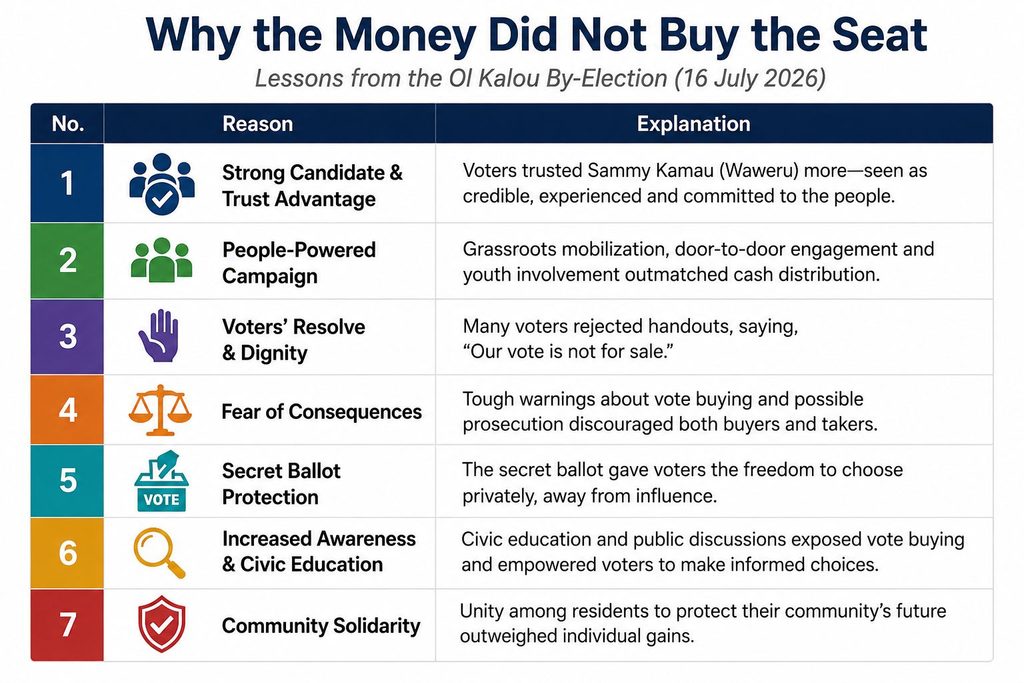
Several reasons emerged on why the handouts did not buy the people’s ultimate final vote.
Politics. Njeri said many in Ol Kalou dislike the sitting president, thus running under DCP, not his party, gave her side an early edge. She said voters told her team they had no quarrel with the UDA candidate. “You are our son,” she quoted them as saying. But he stood “on the other side of the oppressor.” The mobilizer also said voters wanted to punish the ruling side.
One of the women made a similar point about wanting to punish UDA. These accounts help explain the apparent contradiction at the centre of the contest. A candidate could be seen as a local son and still lose, because voters rejected the party he represented.
Local record. The women and the mobilizer spoke well of Muchina’s bursary work as an aide to the late MP. Still, the women did not vote for him. Njeri credited Kamau’s education pledges, including free school uniforms and a bursary process run through the MP’s office.
Hardship and disappointment. Mwangi said the economic pain is real, as voters once held high hopes in the government and years passed with little change. “They said, these people have eaten our money,” he said.
A cash offer, he suggested, could not erase longer-term frustration.
Election safeguards. Mwangi credited IEBC for warning voters not to photograph their ballots. He claimed a photo is the proof a payer wants. He also said enforcement is hard. A candidate speaks, then leaves, others hand out money afterwards. An officer cannot easily link the giver to the candidate, hence the criminal act goes unpunished.
Njeri disagreed on IEBC’s performance. She said it should have done more on voter education and follow-up, since gifts were handed out in open daylight. The local voter said IEBC “did its work” but mostly watched. Ol Kalou’s Returning Officer declined to go on record when we visited, and insisted on their focus on the ongoing voter registrations towards the 2027 elections.
The competing assessments point to a broader difficulty. Public accounts can describe apparent inducements. But investigators still need evidence that links an offer to a person, a campaign or an intended vote.
Violence Added Pressure
Pressure on voters was not only financial. Days before polling, the Kenya National Commission on Human Rights (KNCHR) cited reports of voter bribery, intimidation, organised attacks by hired gangs, unlawful night campaigns, gunshots and destruction of campaign materials. It deployed a monitoring team and called for investigation and prosecution.
The Law Society of Kenya (LSK) observed the vote, as its report records orderly polling at several stations. It also records violence near the Mumbi polling area after 2 p.m., road barricades and reported armed attacks at Munyeki and Huruma.
The report also notes an NTV Investigates story of 20 July 2026 on cash distribution around the by-election. We reviewed that footage ourselves and you can check the embedded YouTube link below.
The women told us trouble began at about 2 p.m. a timing matches the observer record. The LSK report however focuses on election-day conduct, and not on handouts.
The Media Council of Kenya said a photojournalist for The Star was assaulted and his camera taken by armed, masked men believed to be plainclothes security officers.
Ademba’s Case: What Is and Is Not Confirmed
The arrest of youth activist Allans Ademba added to concerns about scrutiny of the vote.
Ademba, founder of the “Niko Kadi” voter registration campaign, was picked up on 16 July at the AC Comprehensive School polling station and taken to the Ol Kalou DCI offices. His lawyer said he was accused of filming the election process without a press pass. The lawyer said he was not filming anything prohibited and was not interviewing voters or interfering with the process. Police said they were concerned that his social media posts could incite the public.
Ademba was released on KSh 20,000 cash bail the next day. The LSK report says the local ODPP office had reportedly declined to approve charges at that stage. It also cites a police inventory showing the seizure of a camera, a microphone, a power bank, a phone and a handbag. The Defenders Coalition said police were still holding his camera and phone on 18 July, and that he was due in court on 3 August.
What is not confirmed is the final prosecutorial position or the legal basis for holding any item. The LSK says authorities should disclose both. It also says election-day photography rules should separate protecting ballot secrecy from documenting public queues.
Can Voters Separate Short-Term Gain from Long-Term Interest?
Ol Kalou suggests many can, as voters took what was offered and still chose by conscience or politics.
The reported offers did not deliver the seat to UDA. The interviews also show why a simple “cash buys votes” account is incomplete. Voters may consider party identity, local ties, dissatisfaction with government and immediate hardship at the same time.
But the picture is not clean. Some residents do not see gifts as bribes. The women compared campaign gifts to the convincing power of a candidate. An interesting scenario is when they asked whether taking handouts was right, Wafula explained the harm bribes cause.
The mobilizer warned of a deeper habit. “People here are used to it,” the mobilizer said. “You must give them money to vote.” Mwangi was blunt about the future. Handing out money will not end soon, he said. Givers and takers both exist, and the practice is mostly covert.
What Ol Kalou Means for the 2027 Elections
So, does vote buying still decide elections in Kenya? In Ol Kalou, the evidence says no. Handouts did not decide this by-election but the evidence does not show the practice is dying. It shows a practice that is organised, costly and, for many, normal.
Ol Kalou united behind one candidate, however that unity could face a new test in the 2027 elections. Will handouts win then?
The next contest is already taking shape. The IEBC suspended registration in Ol Kalou on 16 April, after the MP’s death. The commission said Ol Kalou would be left out of the enhanced exercise for other by-election areas until its own poll was over.
A Kenya Gazette notice of 14 September then set an enhanced registration drive in Ol Kalou from 21 September to 20 October 2026. Residents therefore have a fresh chance to join the register. That drive matters for the next election. It does not change what the July result can tell us.
Njeri’s lesson was simple. “Money is not everything when it comes to politics,” she said. “You can have money, a lot of it, and still miss.” She urged voters to guard their ballots, as people did in Ol Kalou despite threats and tear gas. “Let us protect our votes,” she said.
Civic education has a big role to play. Voters must know what their leaders are meant to do. Then they can hold them to account as stipulated in the Constitution of Kenya. Power belongs to the people. They must use it with care, and vote for change and progress.